Johannesburg: Where to stay, what to do, and how to plan a memorable visit
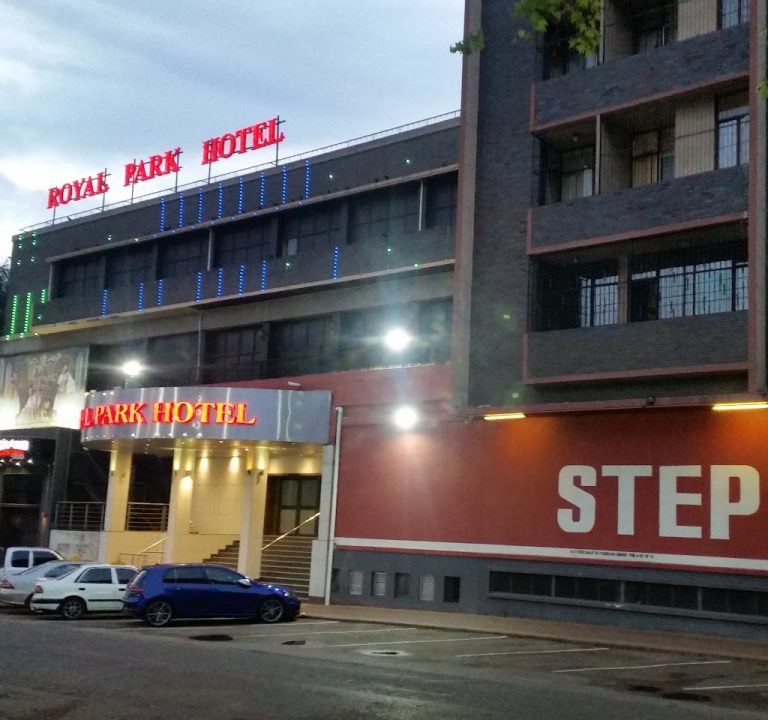
Johannesburg, a dynamic hub of culture, history and modern City life, offers a wide range of accommodation to suit every traveller. From stylish boutique stays in vibrant neighbourhoods to comfortable, family-friendly hotels near major transport links, the city is well equipped to welcome visitors who want to explore Gauteng with ease. When planning a stay, it helps to think about what you want to get out of your trip: culture and history, business convenience, dining and nightlife, or easy access to nature and day trips just beyond the city.
Where to stay matters as much as how you plan your days. The central business districts and northern suburbs around Rosebank, Sandton and the M1 corridor are popular for accessibility, extensive dining and shopping options, and reliable security. For a more immersive, street-level experience, consider the inner-city precincts such as Braamfontein or Maboneng, which offer heritage architecture, creative hubs and a lively café scene. If you prefer a quieter, leafy setting, northern suburbs such as Johannesburg North or suburban guesthouses along tree-lined streets can offer a more relaxed pace while still being within easy reach of the city’s highlights.
Typical amenities you can expect include free Wi‑Fi, secure on-site parking, and breakfast options ranging from continental spreads to full cooked breakfasts. Many properties in the city also offer practical touches such as business facilities, 24‑hour reception, and organised transfers or airport shuttles. If you’re visiting during the hot months or over weekends, look for properties with good air conditioning or ceiling fans, and consider a pool or a shaded outdoor space for downtime after day trips.
Transport is straightforward but worth planning in advance. Johannesburg’s public transport is improving, with the Gautrain linking the city centre to Pretoria and the airport, while Uber, Bolt and other ride-hailing services are widely available. If you plan regular sightseeing days, staying near a Gautrain station or a Metro/major bus route can save time. Some areas have limited parking during peak hours, so it’s wise to check parking arrangements with your accommodation. For travellers who enjoy walking, several districts are best explored on foot, with plenty of neighbourhood cafés and markets close to your door.
While in Johannesburg, you’ll be spoilt for choice when it comes to experiences. History and culture are woven through the city: world-class museums and memorials recount the country’s complex past, while art districts showcase contemporary South African creativity. Markets and street food scenes provide a taste of local produce and flavours, with many venues offering seasonal menus and live performances. For a nature fix, you can combine urban exploration with a short drive to nature reserves, gardens and viewpoints that reveal Johannesburg’s surrounding landscapes and city panoramas.
Best time to visit Johannesburg generally aligns with mild, dry and sunny conditions in autumn and spring, making April to May and September to November particularly pleasant for outdoor activities. Summer (December to February) can be warm and humid, with occasional thunderstorms, while winter (June to August) is cooler with clear days and brisk mornings. If your trip is for business or shopping, weekends may bring a quieter city centre and more relaxed dining atmospheres in some districts.
Booking considerations can help you get the most value from your stay. Look for properties with flexible cancellation policies, especially if your plans may shift. Check the level of security and the neighbourhood’s safety features, as well as proximity to stations or routes you plan to use daily. If you’re travelling with family or a group, consider apartment-style layouts or suites with separate living spaces and kitchenettes. For longer stays, properties offering laundry facilities or on-site laundries can be particularly convenient. Lastly, read recent guest reviews to gauge current conditions, service levels and any changes in area safety or noise levels.
Sample planning checklist for a balanced Johannesburg stay:
- Choose 2–3 neighbourhood bases to minimise long commutes (for example, central or northern suburbs).
- Book accommodation with reliable security, good lighting and convenient transit access.
- Book a mix of experiences: a day of culture, a nature-inspired outing, and an evening of dining or live music.
- Pack layers for changing weather and plan for load-shedding by keeping devices charged and having a small light handy.
- Allocate buffer time for traffic—Johannesburg’s roads can be busy at peak times.
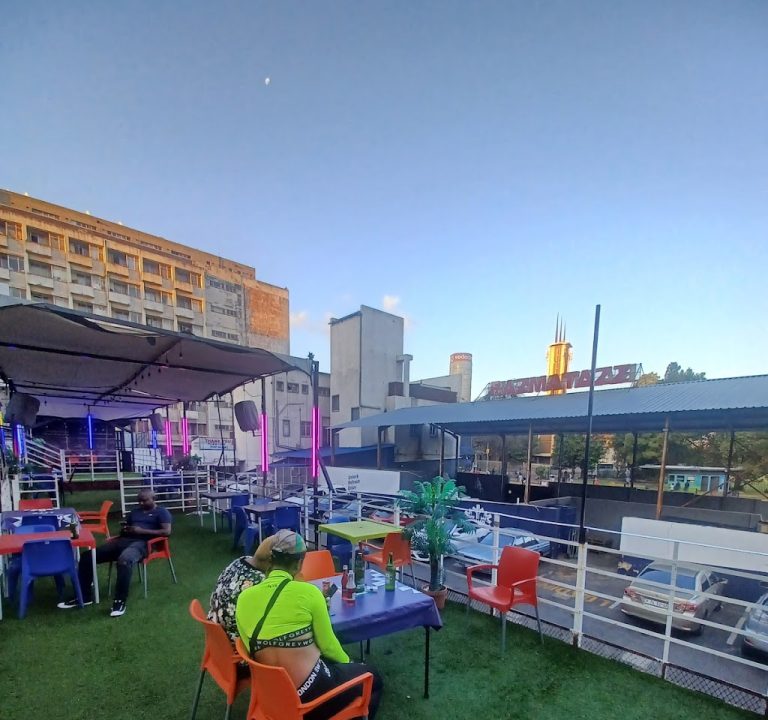
When it comes to dining and nightlife, Johannesburg’s restaurant scene ranges from casual cafés to sophisticated eateries serving a range of cuisines. Expect vibrant street-level food markets, bakery-cafés with excellent coffee, and contemporary menus celebrating local ingredients. Whether you’re seeking a refined tasting experience or a relaxed meal with friends, you’ll find options that suit different budgets and tastes. To optimise your evenings, ask your accommodation staff for current recommendations and reservations at popular venues, as some places offer seasonal menus and live entertainment on weekends.
In summary, a well-planned Johannesburg stay blends convenient accommodation with thoughtful transport options, a curated mix of cultural and outdoor activities, and a dining plan that lets you explore the city’s diverse culinary landscape without fatigue. By selecting a neighbourhood that aligns with your priorities and booking with clear expectations about amenities and safety, you’ll be well placed to experience the energy and warmth that Johannesburg offers to every visitor.