Johannesburg: A Practical Guide to Accommodation, Attractions and Local Experiences
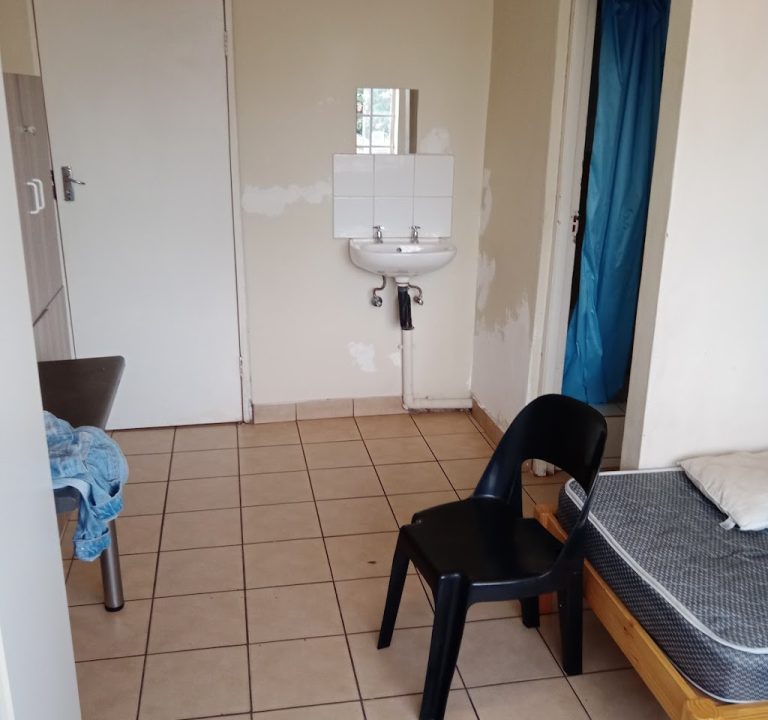
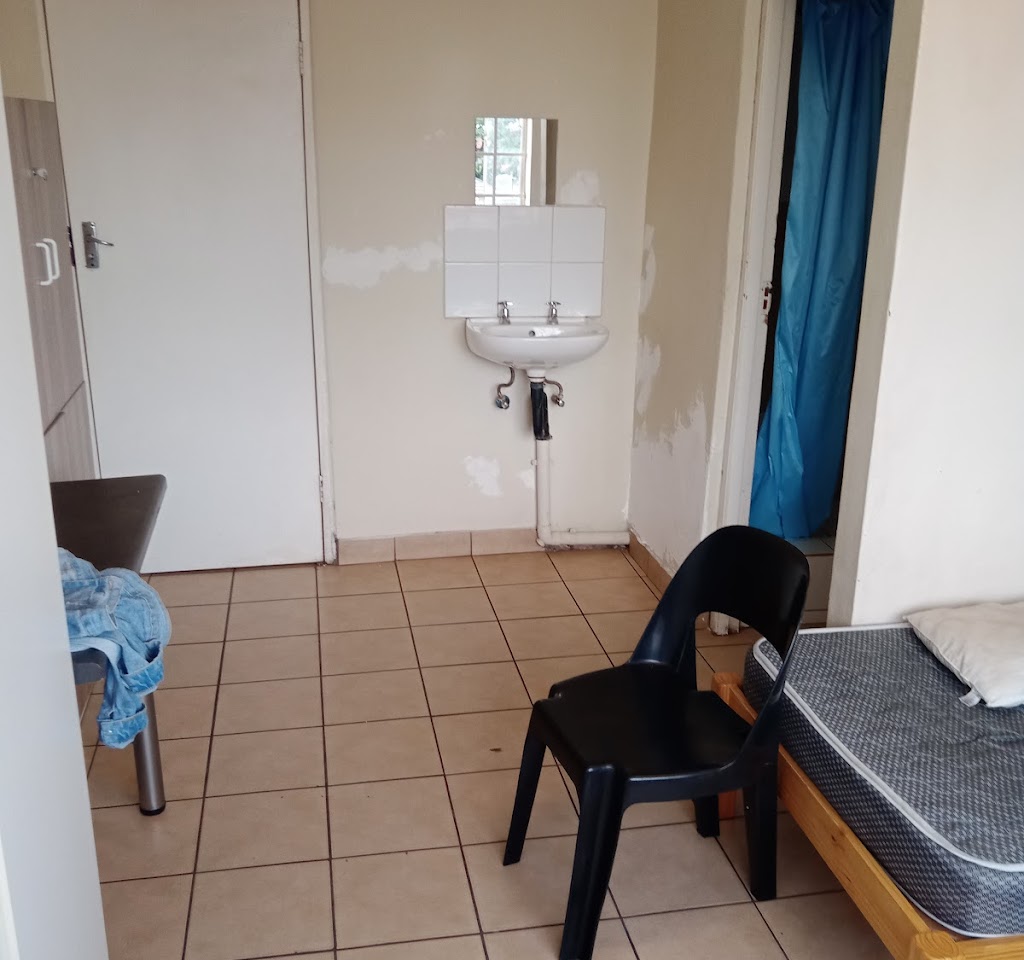
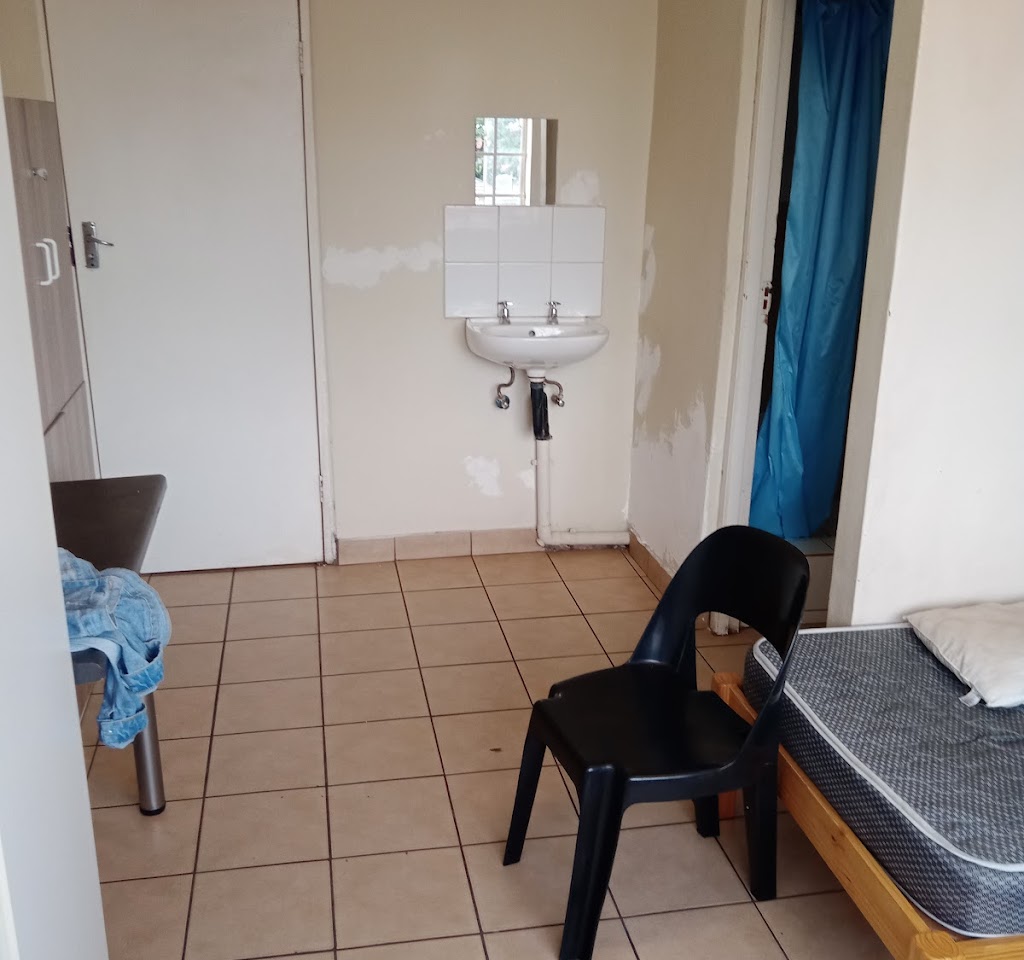
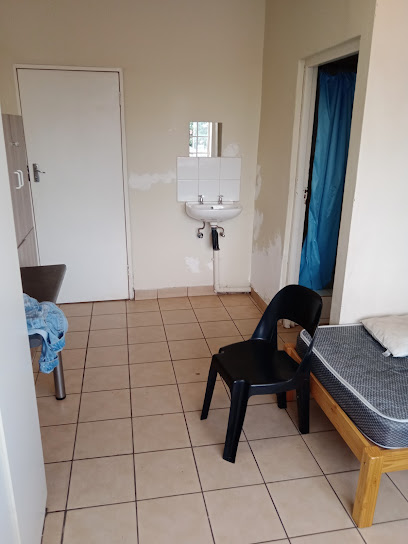
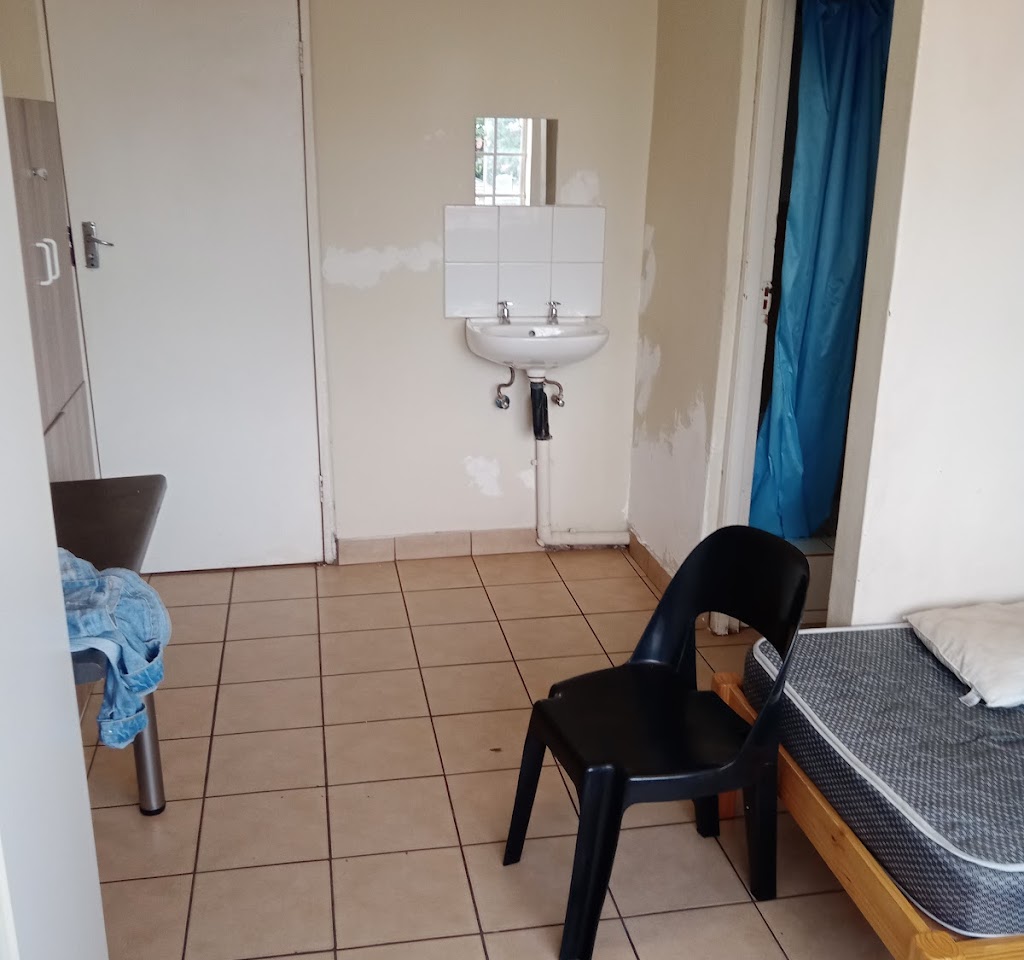
Johannesburg, or Jo’burg as many locals call it, is a vibrant gateway to Gauteng’s mix of culture, history and contemporary city life. When planning a stay, consider neighbourhoods that match your pace and interests—from central business districts and leafy northern suburbs to lively markets and arts districts. For travellers seeking student-friendly options, spaces such as Naledi Student Accommodation offer a practical base near campuses and public transport links. While you search, think through what you want from your trip: culture, shopping, nightlife, or easy access to day trips into the surrounding province.
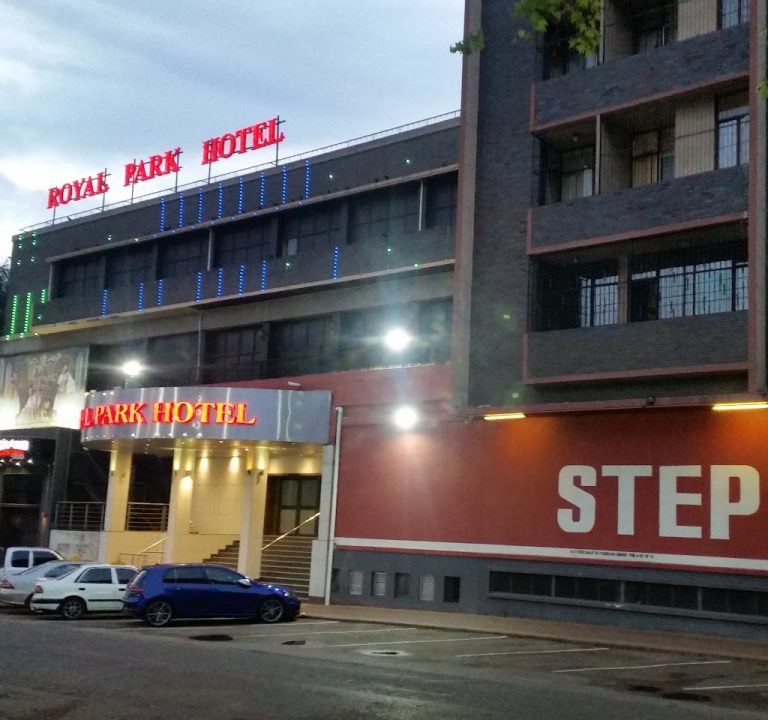
Accommodation options in Johannesburg range from stylish boutique guesthouses and modern apartments to established hotels and purpose-built student housing. In the city centre and central northern suburbs, you’ll find modern hotels and serviced apartments with compact living spaces and efficient transport access. In contrast, northern and eastern suburbs often provide more relaxed stays, larger rooms, greener surroundings and a sense of residential calm. If you’re travelling on a budget or staying for a while, consider serviced apartments or guesthouses with self-catering facilities. These can offer the comfort of a hotel with the flexibility to cook some meals and work from a comfortable space.
What to look for when booking
- Proximity to transport: Johannesburg has a comprehensive rail and bus network, but ride-hailing and car-sharing services are popular. Choose a location near a Gautrain station, bus routes or major arterials if you plan to move around without a car.
- Safety and access: Check the building’s security arrangements, 24-hour reception, and whether the area is well-lit and busy at night.
- Amenities: Look for free Wi‑Fi, workspaces, laundry facilities, and parking if you’re driving. A kitchenette or fridge can save money on meals during longer stays.
- Noise levels and light: If you’re staying near busy streets or night-life areas, request a quiet room. Light sleepers may value thicker curtains and soundproofing.
- Flexibility and policies: Review cancellation terms, deposit requirements, and any minimum stay rules, especially in student housing or boutique properties.
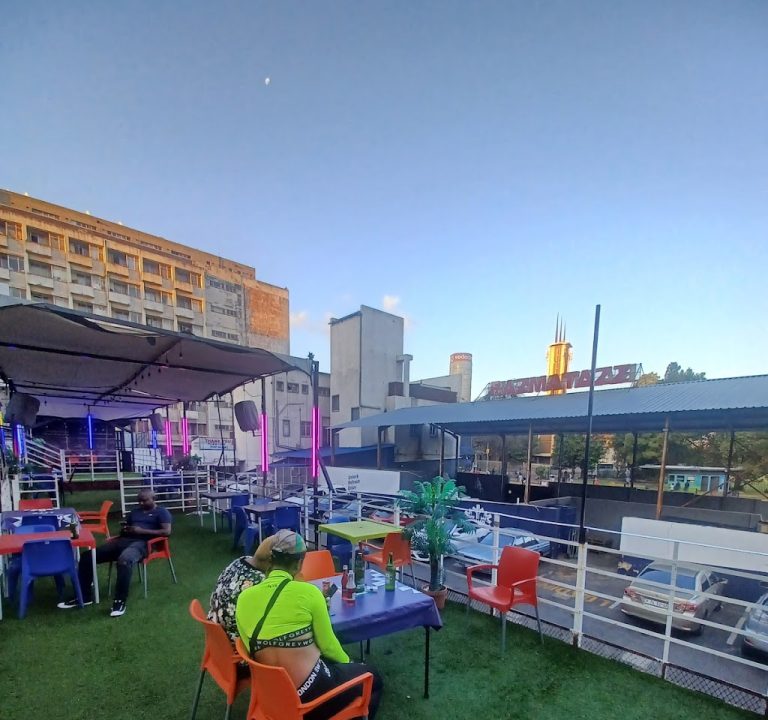
Typical amenities you might encounter include a reception desk, daily housekeeping or periodic cleaning, and on-site dining options such as cafés or small eateries. Some properties offer outdoor spaces, fitness facilities or swimming pools, which can be welcome after a day of exploring the city. If you’re visiting for business or study, reliable high-speed Wi‑Fi and quiet work areas are often more valuable than extra luxury features.
Transport and getting around
Johannesburg is a city of ultramodern shopping districts, historic sites and sprawling suburbs. The Gautrain, a rapid rail system, connects Johannesburg to Pretoria and OR Tambo International Airport, making it a handy option for air travellers. Local buses and minibus taxis cover many routes, though they can be crowded and less predictable during peak times. For convenience, many visitors rely on ride-hailing services or hire a car for day trips to places in Gauteng and beyond. If you prefer a flexible plan, choose accommodation near your planned activities to limit daily travel time.
Best time to visit and practical tips
The city experiences a warm, wet summer and a cooler, dry winter. The best time to visit often depends on your tolerance for heat and rain. Dry, sunny days in autumn (March to May) or spring (September to November) are typically pleasant for outdoor exploring, safaris in nearby reserves, and walking tours. If you plan to visit museums, markets and outdoor attractions, aim for midweek visits to avoid peak crowds. Always have a light layer for early mornings and evenings, as temperatures can drop in the city’s higher elevations.
Practical tips for a smooth stay
- Always verify the location and check recent guest reviews for safety and service quality.
- Pack a padlock for securing a room or locker if you’re staying in shared accommodation.
- Plan day trips in advance and check local transport options; some areas may be easier to reach by car or taxi than by public transport after dark.
- Respect local guidelines and cultural norms, especially when visiting markets, townships or community-led projects.
- Keep digital copies of important documents and have essential numbers saved in your phone in case of emergencies.
Dining and experiences in Johannesburg tend to mirror the city’s multicultural flavour. Expect a range of eateries from casual cafés and street food spots to more formal dining outlets, with menus that celebrate local produce and international influences. Aside from meals, there are museums, galleries, parks and markets offering a sense of place and history—perfect for a relaxed afternoon or a daytime wander. For those seeking a deeper understanding of the region, guided neighbourhood walks or cultural tours can provide context and connection to local communities.
In planning a stay, balance convenience with experience. A well-chosen base near sights you want to explore will save time and reduce fatigue, leaving you with energy to enjoy Johannesburg’s dynamic streets, diverse dining and engaging neighbourhoods. For more inspiration, consider exploring official tourism resources or property websites that reflect the city’s wide range of accommodation styles and visitor experiences.