Johannesburg: Accommodation and Sights in Gauteng
Johannesburg, often simply called Jo’burg or Joburg, is a vibrant gateway to the province of Gauteng. A stay here blends modern city energy with rich histories, diverse dining, and ready access to both urban hotspots and scenic landscapes. When planning a visit, consider where you’ll base yourself, what pace you want, and how you’ll get around to make the most of your time.
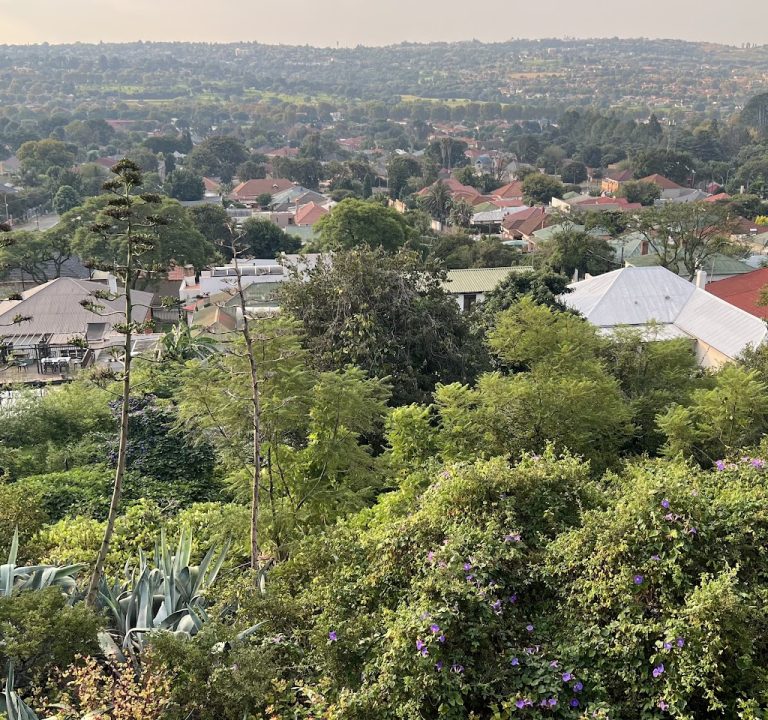
Area choice matters for your comfort and convenience. The northern suburbs, including Sandton and Rosebank, are known for polished hotels, shopping and business facilities, and straightforward access to major transport links. If you want a feisty street-life vibe with easy museum and theatre access, the inner-city precincts around Braamfontein or Maboneng offer stylish boutique stays, pop-up eateries, and a sense of Johannesburg’s creative pulse. For a tourist-friendly mix near Soweto, you’ll find a range of guesthouses and mid-range hotels with proximity to heritage sites and guided tours. Consider your priorities: proximity to the airport or train links, walkability to restaurants and markets, or a calmer suburban atmosphere with green spaces and secure parking.
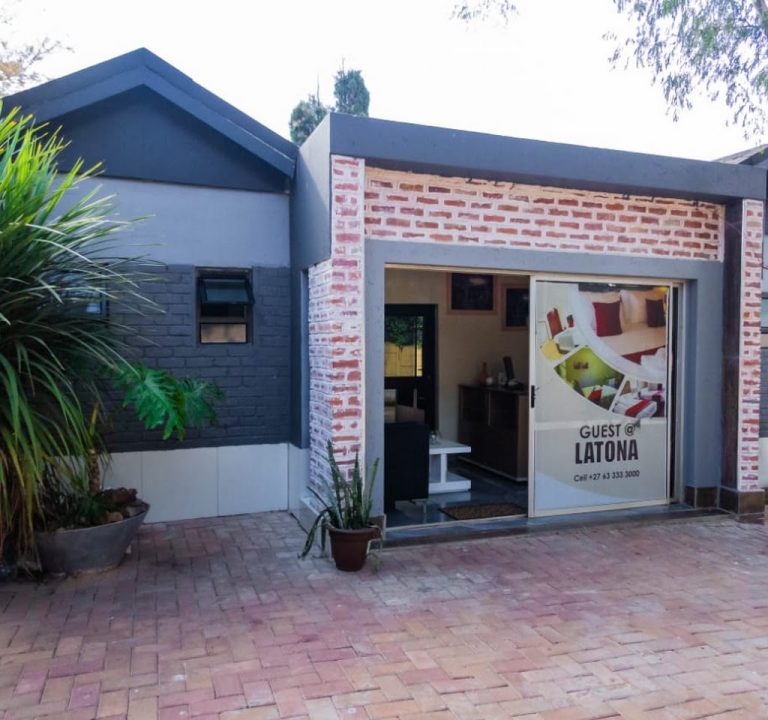
Typical accommodation options span from modern hotels and serviced apartments to guesthouses and lodges. In central areas you’ll find well-appointed rooms with reliable Wi-Fi, air conditioning, and generous breakfast provisions, often with secure parking. Suburban stays may emphasise garden spaces, family-friendly layouts, and convenient access to car hire or rideshare options. Look for properties that clearly outline transport arrangements, as Johannesburg is a city best navigated with practical planning. If you rely on public transport, check proximity to rail stations or bus routes, and ask about shuttle options to popular sights or airport transfers.
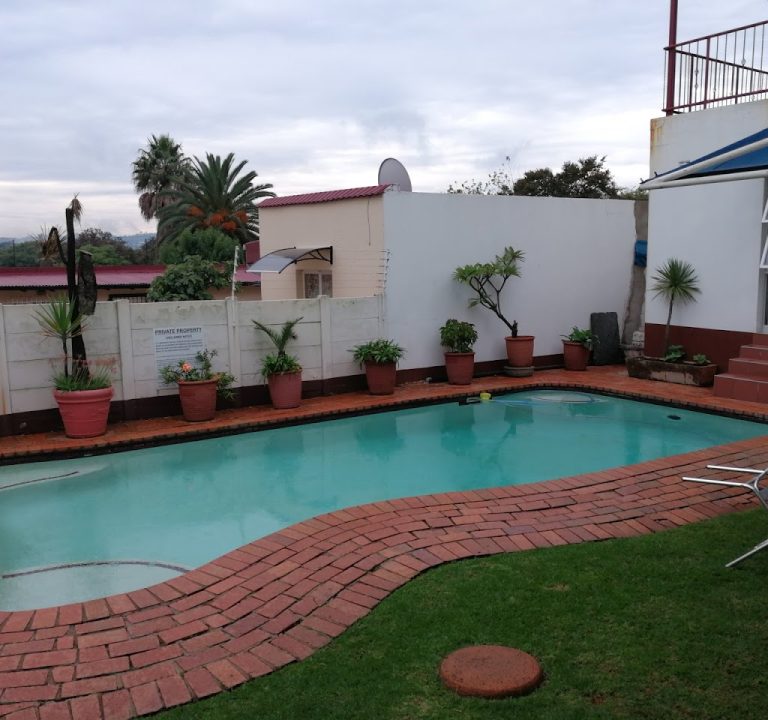
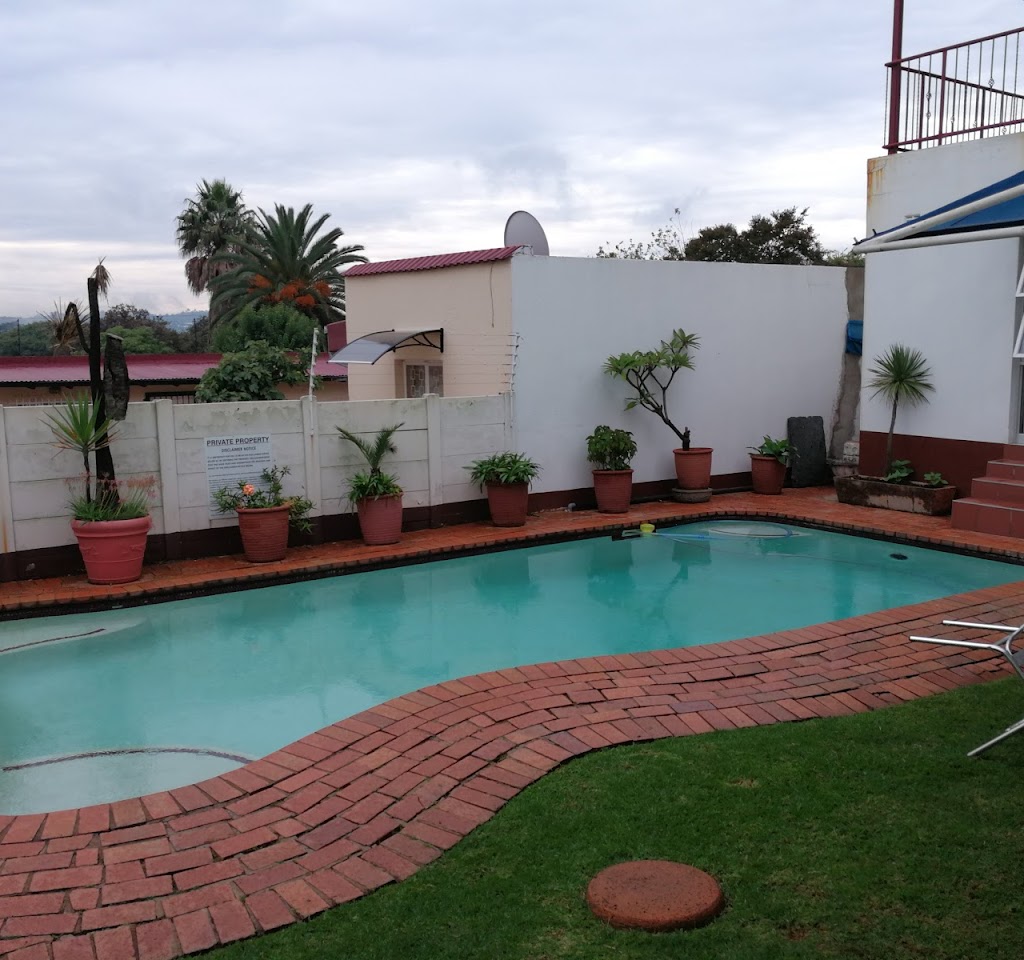
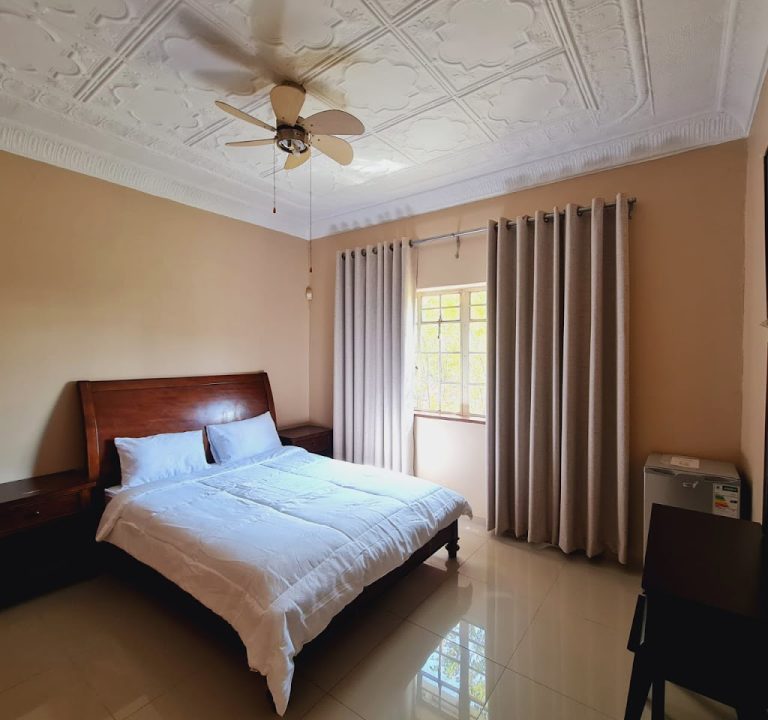
When booking, clarity about amenities is key. Look for comfortable bedding, en-suite bathrooms, a good work desk if you’re travelling for business, and a reliable power supply—South Africa experiences occasional load shedding, so properties that provide backup power or informed guidance about outages can save your stay. A strong breakfast offering can set you up for long days of exploration, while on-site dining, fitness facilities, a swimming pool, or relaxing terraces add real value. If your trip will include longer visits, request information about laundry services, secure storage for luggage, and late check-in flexibility. Booking platforms often highlight cancellation policies, but it’s useful to confirm direct contact details with the host or property manager in case you need adjustments before arrival.
Transport within Johannesburg is best planned in advance. The city is served by air, rail, and an expanding network of rideshare options. The Gautrain links the airport with central Johannesburg and Pretoria, offering quick connections to select city districts. Local taxis and rideshares remain the most practical way to reach specific sights or neighbourhoods outside rail access. If you’re staying in a central hub, a short walk to eateries, markets, and galleries is feasible, but a car or reliable rideshare can reduce travel time and increase flexibility for day trips beyond the city centre.
Best time to visit Johannesburg is broadly year-round. The summer months (roughly November to March) bring warm days and late-afternoon thunderstorms; winter (June to August) offers cooler, crisp days and clearer skies. Shoulder seasons can be ideal for outdoor pursuits and sightseeing without peak-season crowds. If you’re planning a light itinerary focused on outdoor markets, street-food stops, or city walks, early morning or late afternoon are pleasant and less crowded times to explore.
As for experiences, Johannesburg offers a layered mix of culture, history, and contemporary life. Museums and cultural centres in and around the city provide insight into the country’s past, while galleries and creative districts showcase current artistic endeavours. For a relaxed day, you might stroll through markets or districts renowned for crafts, design shops, and informal culinary stops. Evening dining trends in several neighbourhoods lean toward contemporary South African fare, with restaurants offering tasting menus or casual, sociable settings. When planning meals, consider trying a few low-key eateries that emphasise seasonal ingredients and regional flavours rather than large, formal venues. You’ll also discover a range of cafés and bakeries suitable for a light lunch or a coffee break between sightseeing.
Practical planning tips for a successful stay:
- Check the neighbourhood map and pick accommodation with easy access to the areas you plan to explore most.
- Confirm what is included in breakfast and whether there is a kitchen or tea-and-coffee facilities in your room.
- Look for properties with secure parking or defined transport options if you’ll be driving or renting a car.
- Assess safety and lighting around the property, especially if you’ll be out after dark; consider locations nearer well-lit streets with active nightlife.
- Ask about flexibility on check-in times if you have early flights or trains—some places offer luggage storage and late arrivals.
To help you plan a comfortable stay, search for accommodation that provides clear, up-to-date guest information about area transport, safety tips, and recommended local eateries. Pair your lodging choice with a mix of guided tours and independent explorations to get a well-rounded sense of Johannesburg’s energy, history, and modern culture. With thoughtful planning, your visit to Johannesburg can be both convenient and genuinely rewarding, whether you’re here for business, a city break, or a deeper discovery of Gauteng’s urban heartbeat.