Johannesburg: Where to stay, what to plan for, and how to explore Gauteng in comfort
Johannesburg, or Jo’burg as many locals fondly call it, sits in the heart of Gauteng and serves as a vibrant gateway to South Africa’s wider landscapes. When choosing accommodation, travellers should consider the rhythm of the city: the energy of its urban hubs, the quiet charm of leafy neighbourhoods, and the convenient access to major transport routes. A well-chosen base can make day trips practical, allow for restful evenings, and offer a sense of safety after a day’s adventures. From stylish hotels to boutique lodges and guesthouses, there are options to suit many itineraries and budgets.
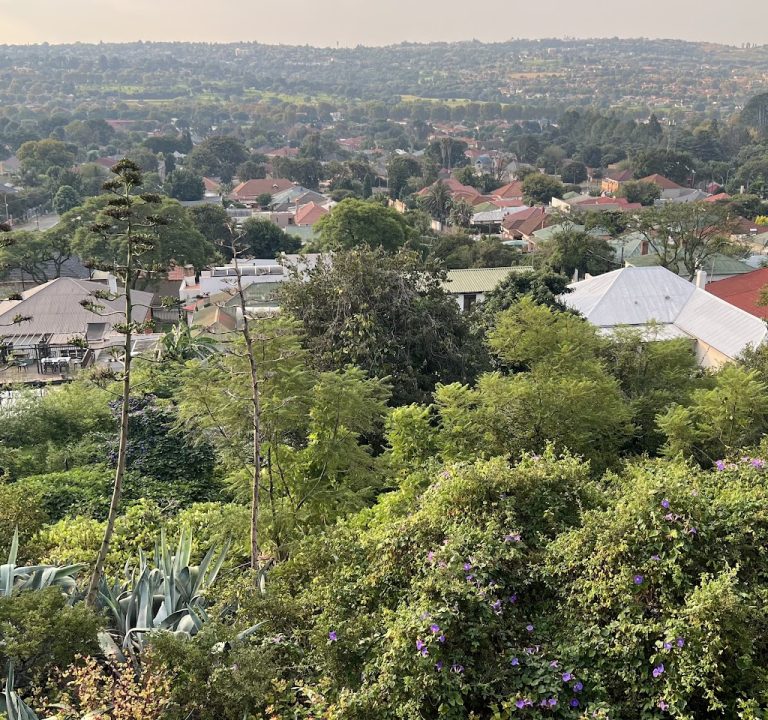
Areas to consider for your stay vary by mood and purpose. Sandton is ideal for business travellers and shoppers, with easy access to theatres and high-end dining. Rosebank offers a mix of markets, museums, and modern eateries, together with a strong transport link to the city centre. Braamfontein and Maboneng are great for culture lovers who want a lively, artsy scene with plenty of independent cafes and late-night options. Soweto provides a deeper sense of history and community, paired with guided experiences that can illuminate the city’s transformative story. For those seeking a more residential feel without losing convenience, suburbs with character and tree-lined streets can be excellent bases for longer stays.
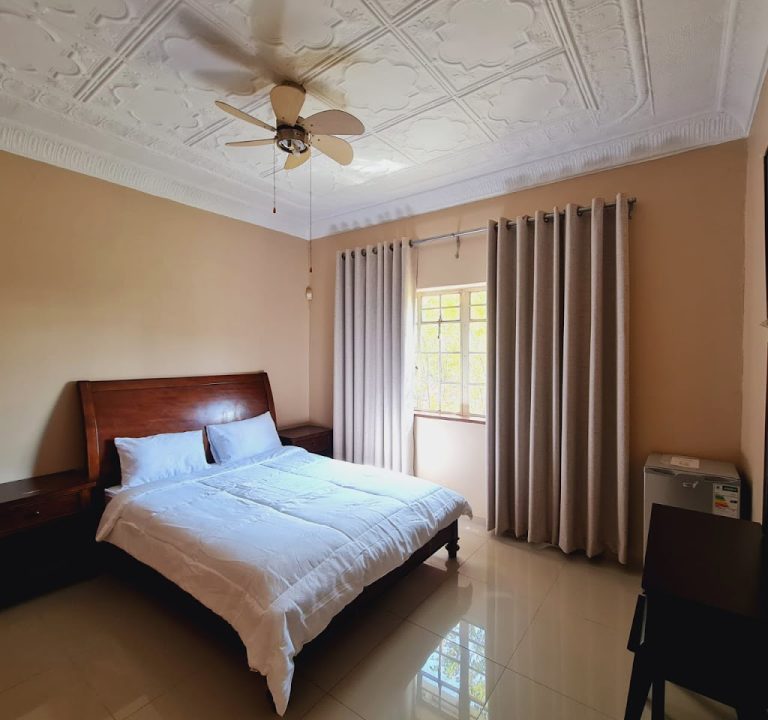
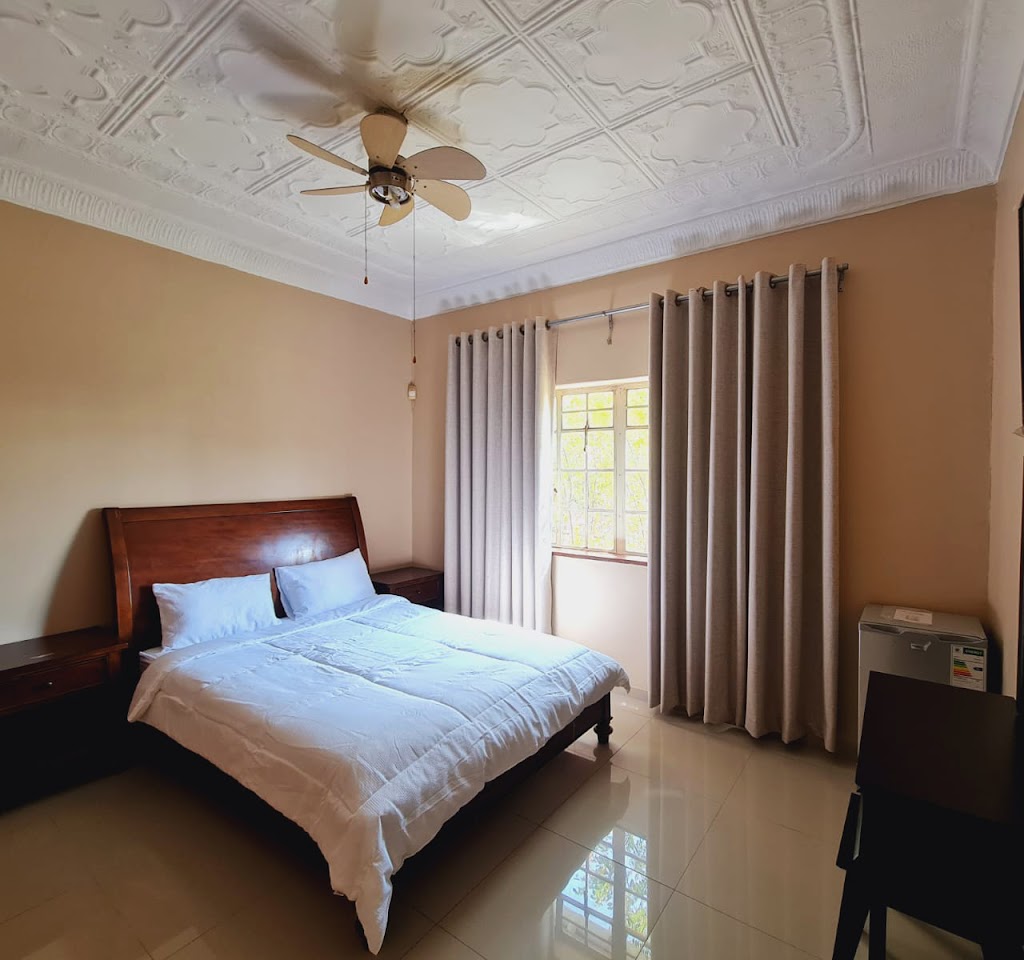
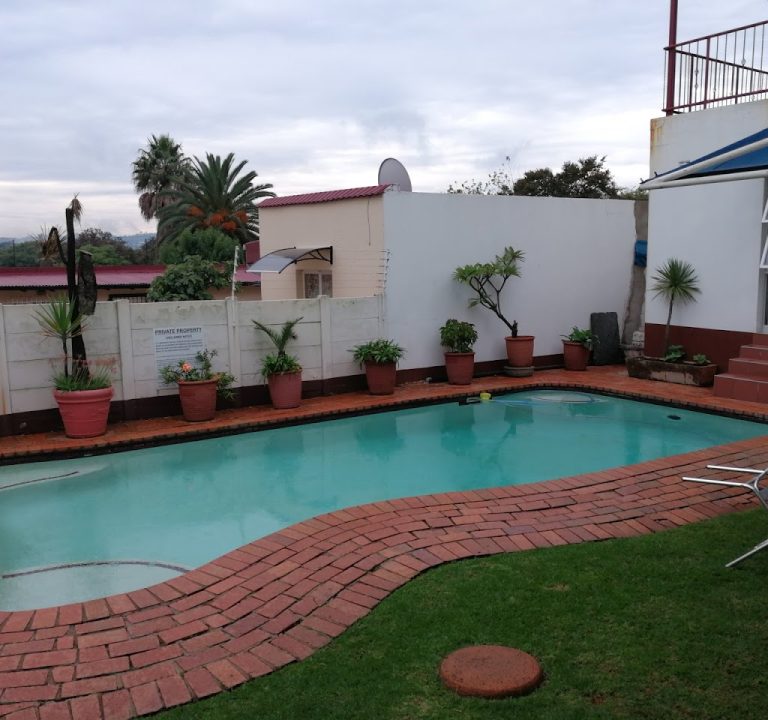
When booking, look for a few typical amenities that can improve comfort and convenience. Reliable wi‑fi is essential for most travellers who work remotely or want to plan days on the go. Air conditioning or good ventilation is a practical consideration for Johannesburg’s warm summers. On-site parking is helpful if you are renting a car or planning longer drives, and a 24-hour reception or security staff can contribute to peace of mind in busier areas. A swimming pool, fitness facilities, and a well-appointed room with a comfortable bed can make a big difference after a long day. For families or groups, request adjoining rooms or family suites, and check whether the establishment offers breakfast options, a kitchen area, or a small lounge in-room or on-site. If you are staying in a lodge or boutique hotel, you may also appreciate a cosy dining space, accessibility to a terrace, or a garden for relaxed evenings.
Practical planning tips help to maximise your stay. Consider the city’s climate: Johannesburg experiences warm summers with the possibility of afternoon thunderstorms, and cooler, dry winters. The best time to visit tends to be the autumn and spring shoulder seasons when the weather is mild and the city is less crowded than during peak holidays. If you are exploring outdoors or doing long day trips, start early to avoid travel queues and to catch viewpoints in good light. Public transport in Johannesburg can be convenient in certain districts, but many visitors prefer a rental car or organised tours to reach more distant destinations. For safety, choose accommodation with secure access and reliable front-desk support, and be mindful of local guidance about travel at night in less busy areas. A quiet and well–lit route from your hotel to nearby attractions or dining venues can make evening outings more enjoyable. Many properties offer courtesy shuttles to key hubs or close-by transit options, which can simplify a night out in the city.
When thinking about experiences, Johannesburg offers a mix of cultural tours, markets, and green spaces. Centrally located parks and urban trails are popular for relaxed mornings, while museums, galleries, and historic sites provide a richer sense of the city’s past and present. For dining, the city’s restaurant scene ranges from casual cafés to sophisticated eateries, often showcasing a fusion of flavours that reflect the region’s diverse communities. Rather than focusing on specific names, look for venues that emphasise local ingredients, seasonal menus, and a welcoming atmosphere. If you prefer guided insights, a guided neighbourhood walk or a food and culture tour can be a convenient way to discover hidden gems and gain context for the day’s adventures.
Accommodation such as Derockview Lodge offers a sense of place within the Gauteng landscape. While staying there or at similar properties, guests may enjoy thoughtful layouts, comfortable rooms, and a convenient position for exploring the area. Details such as accessible parking, professional service, and proximity to transport nodes can enhance the overall experience. For those planning a longer visit, consider booking in a residential-leaning district for easy day trips to nearby parks, markets, and historic sites. The lodge’s own website can provide orientation on its particular amenities and nearby conveniences, which helps with pre-arrival planning and on-site enjoyment. You can visit the property’s site at http://www.derockviewlodge.co.za/ for more information about its character and facilities.
In summary, a well-chosen stay in Johannesburg blends comfortable accommodation with smart planning, enabling you to make the most of the city’s dynamic mix of culture, commerce, and nature. By selecting a neighbourhood that matches your aims—whether it’s a business-friendly hub, an artsy quarter, or a residential enclave—you’ll be well placed to explore Johannesburg’s attractions, enjoy a diverse dining scene, and return to a welcoming base each evening. A thoughtful approach to transport, amenities, and timing will help ensure a rewarding visit to this vibrant node of Gauteng.