Johannesburg: A practical guide to accommodation, attractions and dining
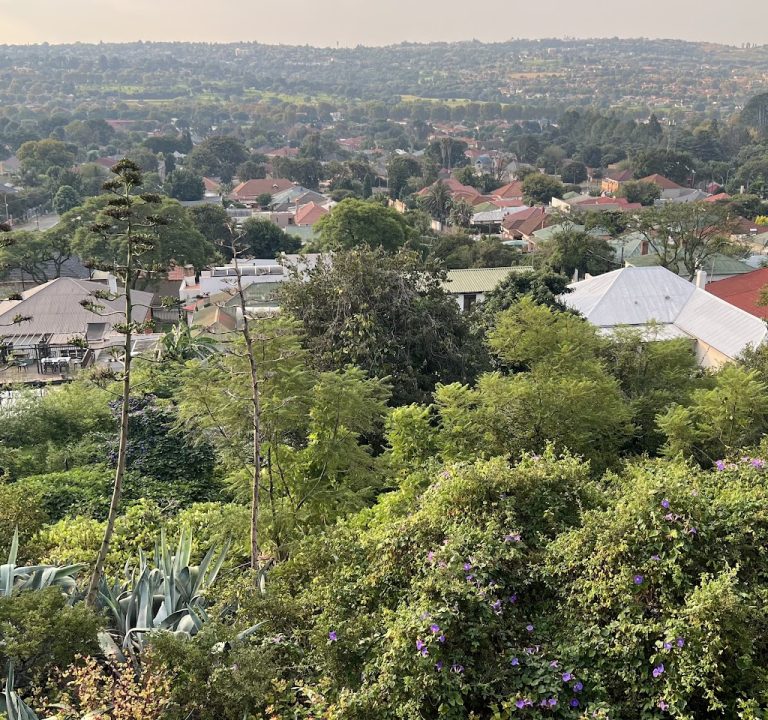
Johannesburg, often referred to as Jo’burg or Jozi, is a city of contrasts where a vibrant arts scene meets rich history, and modern hotels sit alongside boutique guesthouses. When planning a stay, it helps to consider the neighbourhoods that best fit your interests and budget, as well as the ease of getting around the city’s busy streets and suburbs.
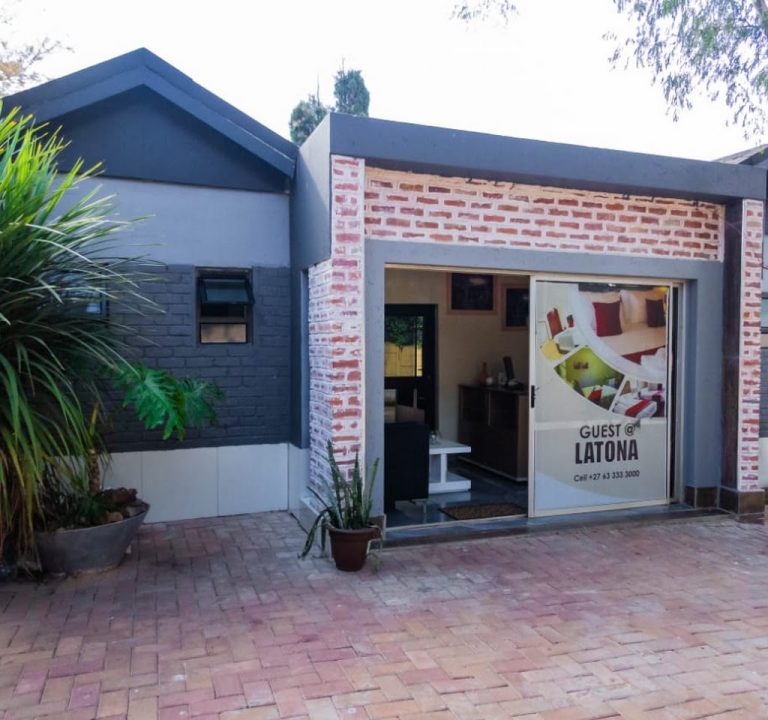
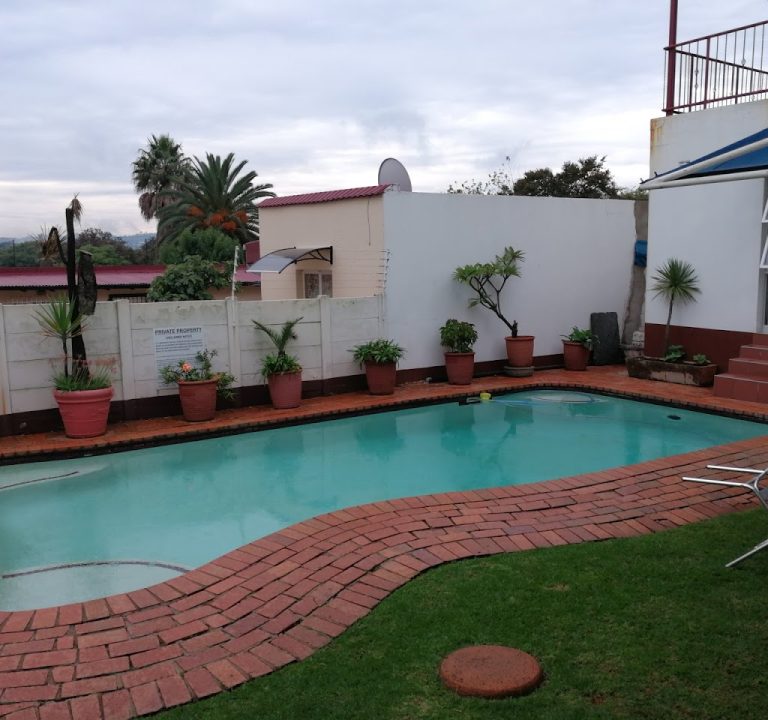
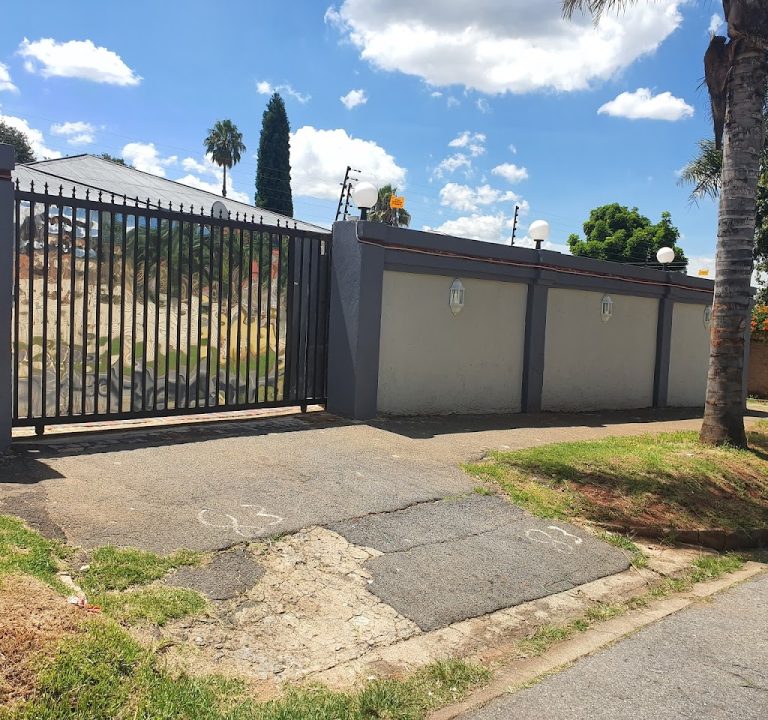
For a balanced mix of convenience, security and character, start with select precincts that are popular with visitors. Sandton offers polished shopping and business facilities, with a range of hotels and serviced apartments. Rosebank provides a calmer environment with leafy streets, markets and easy access to the Gautrain. Braamfontein and Maboneng are known for street art, cafés and a lively nightlife, while the central business district is increasingly home to design-minded stays and heritage venues. Soweto, just outside the city centre, presents a deeper sense of history and a different pace of life, often best explored with a guided experience. If you prefer a more intimate, house-style stay, Latona Guest House represents a charming option within reach of central Johannesburg logistics and attractions.
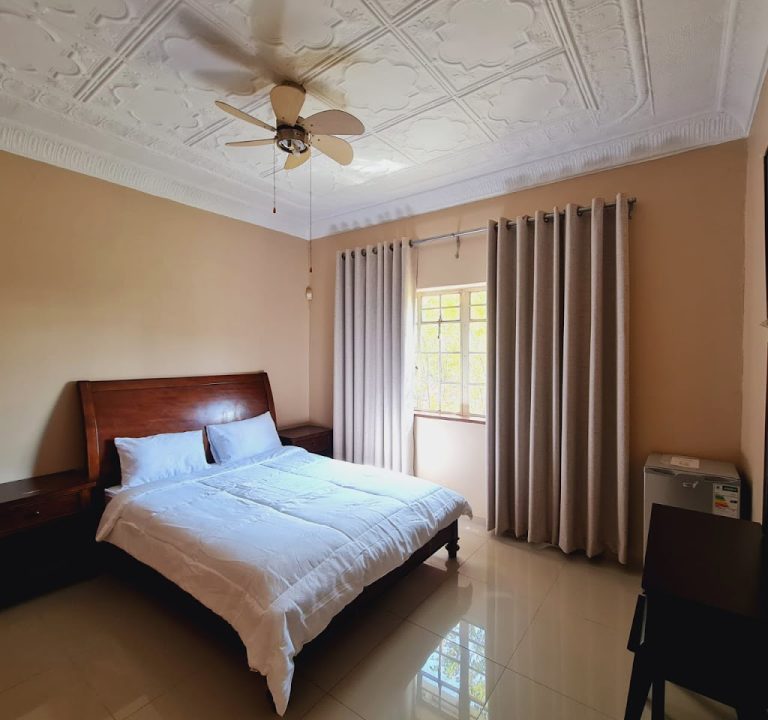
When choosing accommodation, consider a few practical factors. Security is important in Johannesburg, so look for properties with 24-hour reception, CCTV, secure parking or concierge services. Check the proximity to a rail or bus link, taxi or rideshare access, and the ease of reaching the city centre or a preferred neighbourhood by daytime and evening. Air conditioning or heating, reliable Wi‑Fi, a comfortable bed, and a well-equipped en-suite bathroom are worth prioritising, especially if you plan to stay for more than a couple of nights. Some guests value on-site breakfast, a small kitchenette, or a shared lounge where you can meet other travellers. If you’re travelling by car, confirm parking arrangements and consider a location that reduces the need for long transfers after a day of sightseeing.
Typical amenities you may encounter include secure entry, daily housekeeping, laundry facilities, and in-room amenities such as tea and coffee making facilities, a safe, and blackout curtains. For those exploring on a budget, guesthouses and boutique lodges often offer more character and value compared with larger city hotels, while still providing access to reliable transport options and tourist information. Several properties in Johannesburg also advertise flexible cancellation policies, which can be useful in a city where travel plans can shift unexpectedly.
Planning your itinerary around transport routes helps to maximise time. The Gautrain rail network is a popular, efficient option for connections to Pretoria, the East Rand, and OR Tambo International Airport, while local taxis, rideshare apps, and minibus services are plentiful. If you’re self-driving, be mindful of peak traffic times and the city’s occasional load-shedding schedules, which can affect electronics and hot water when power is limited. It may be helpful to carry a portable charger and have up-to-date offline maps on your phone as a precaution during outages.
The best time to visit Johannesburg is generally from late autumn through winter into early spring (April to September), when the weather tends to be drier and more comfortable for city walks and outdoor photography. Summers can be hot and feature afternoon showers, which can be ideal for indoor experiences such as museums and culinary sessions. Pack layers for the cooler evenings and a light rain layer for summer storms. If you plan to combine a safari or nature excursion with your stay, consider extending your trip to nearby parks and reserves, which offer a contrasting pace to city life.
Johannesburg’s attractions span history, culture and contemporary design. The Apartheid Museum and Constitution Hill provide insightful context for South Africa’s past and present. The city is also home to vibrant arts districts, markets and‑—depending on the day‑‑delightful eateries and casual bistros. For a sense of place, many visitors enjoy exploring the Maboneng Precinct or the nearby Neighbourgoods Market, which showcase local food, crafts and live performances. In addition to indoor experiences, a day trip to Soweto can reveal the stories of famous streets and homes, often with guided perspectives that deepen understanding of the country’s journey toward equality and reconciliation.
When selecting restaurants, you’ll find a spectrum from modern international fare to informal eateries with traditional South African dishes. In Johannesburg you may encounter menus that emphasise seasonal ingredients, regional flavours and a relaxed dining style. If you are staying in a guesthouse or a boutique hotel, the front desk or concierge can usually suggest well-regarded options within walking distance or a short drive, and can help with reservation arrangements where necessary.
To help plan your stay, here are a few practical tips to keep in mind:
- Prioritise security and accessibility: choose accommodations with reliable security measures and convenient access to transport hubs.
- Balance comfort and character: boutique stays or guesthouses often offer more personalised service and local insights than large chains.
- Check included amenities: meals, wifi, and laundry can significantly affect daily budgeting and convenience.
- Consider guided experiences: informed local guides can unlock cultural and historical highlights that self-guided tours may miss.
- Prepare for power variations: plan for load shedding with portable chargers or offline maps.
For a broader sense of what the city offers, consider visiting the official Gauteng tourism pages and local guides that highlight neighbourhood highlights, food markets and neighbourhood walks. Latona Guest House, among other personal and thoughtfully curated stays, provides a home base that can streamline your planning and offer authentic touches to your Johannesburg experience. More extensive details about accommodations, transport options and nearby attractions can be found through trusted tourism resources and the website of the province.