Johannesburg: Where to stay, what to do, and how to plan a great visit
Johannesburg, or Jo’burg as many visitors call it, offers a dynamic mix of urban culture, historic sites, and lively dining scenes. Whether you’re seeking boutique stays in leafy neighbourhoods, comfortable guesthouses near central attractions, or modern hotels with easy access to the airport and business districts, the city provides a range of options to suit different budgets and itineraries. Planning a stay around practical logistics, local flavour, and standout sights can help you make the most of your time in Gauteng’s largest city.
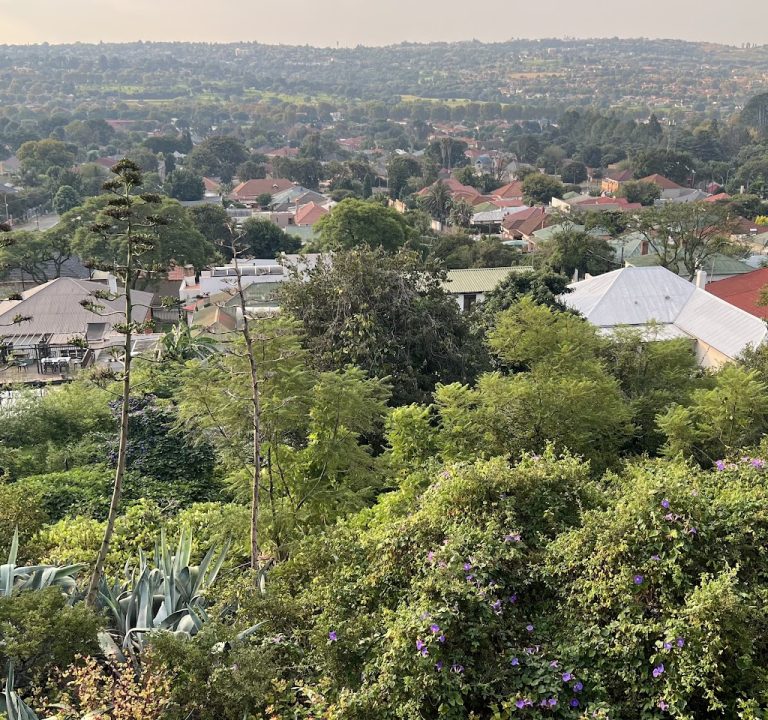
When choosing accommodation, consider the neighbourhoods that best match your interests and pace. The central business district and nearby suburbs offer convenient access to museums, galleries, markets, and cafés, while areas to the north and south provide a calmer setting, often with parks, tree-lined streets, and easy transport links. For a more intimate, guesthouse experience, you might seek out properties described as family-run or owner-managed, which often include personalised service, curated recommendations, and a homely atmosphere. A renowned local guesthouse type is to look for properties with secure parking, reliable housekeeping, and flexible check-in arrangements, as these factors can significantly ease travel across the city.
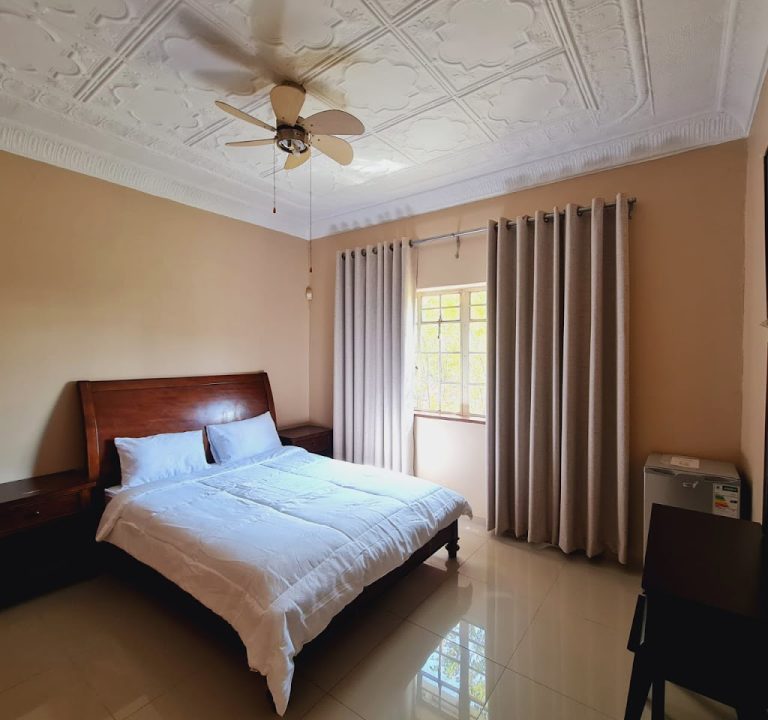
Typical amenities to consider include complimentary Wi‑Fi, self‑catering facilities or room fridges, on-site parking, and accessible information about transport options. Many accommodation providers in Johannesburg offer shuttle services or easy connections to major hubs such as central rail and bus routes, which can be especially helpful if you plan to explore beyond the core city. It’s also worth noting whether the property has air conditioning or heating, given the warm summers and cooler evenings. For longer stays, a kitchenette or a small preparation area can be a real convenience, while a comfortable workspace is increasingly appreciated by travellers combining business with leisure.
Transport options are a key part of planning. The city is well served by a range of travel modes, including ridesharing, metred taxis, and bus rapid transit routes within certain corridors. If you prefer to drive, check whether the accommodation offers secure parking and easy street access. For those who enjoy an active stay, some districts are walkable with interesting street life and markets, while others are better suited to a vehicle or reliable ridesharing for evening meals and nightlife. Always confirm accessibility details in advance, particularly for properties located in older buildings with lifts or stairs used by guests.
Best time to visit Johannesburg generally aligns with mild daylight and outdoor activities. The dry winter season (roughly May to August) tends to bring cooler days and clearer skies, which can be ideal for city touring and outdoor markets. The summer months bring colour to parks and gardens, but visitors should be prepared for warmer conditions and occasional afternoon showers. If planning a longer stay, try to align your schedule with local events or markets to experience the city’s cultural energy in action. For day trips, Johannesburg serves as a gateway to nearby nature reserves, gold‑rush era sites, and hillside towns in Gauteng and beyond.
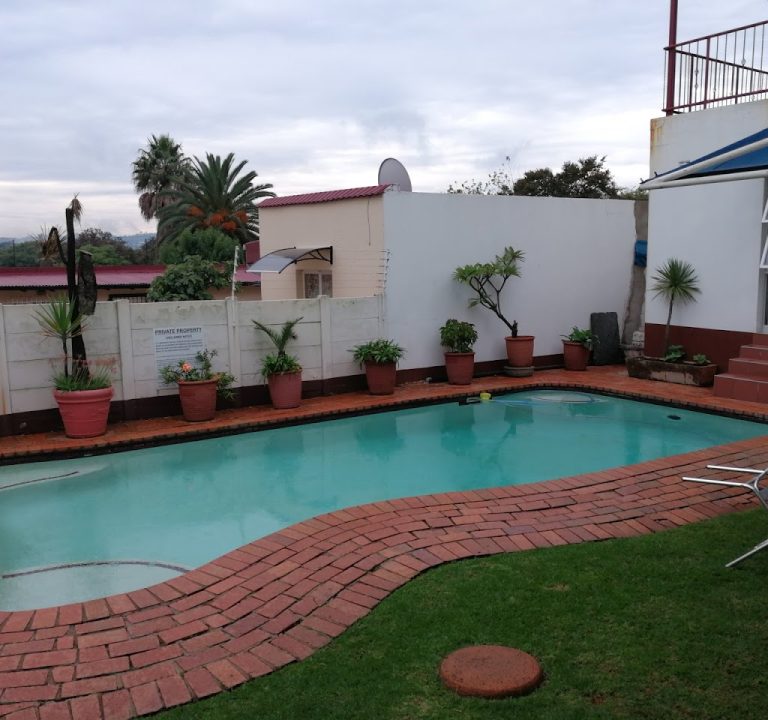
When it comes to places to stay, you may encounter a range of accommodation types, from stylish hotels occupying refurbished heritage buildings to guesthouses with personalised service. An example of a thoughtfully managed option might be a property described as an executive guesthouse, combining professional facilities with a welcoming, residential atmosphere. While I can’t list every property here, a well-curated stay often balances comfortable rooms, reliable housekeeping, secure access, and a hospitable front desk that can help arrange tours, restaurant reservations, and day trips.
Planning an itinerary around attractions and experiences is easiest when you have a flexible framework. Begin with a few core highlights—such as museums, markets, and iconic public spaces—and then build in half-day or full-day excursions to nearby areas. For dining, Johannesburg’s restaurant scene ranges from casual eateries and cafés to more polished bistros; many places offer a modern blend of local flavours with global influences. Instead of specific venues, seek experiences that emphasise seasonal menus, a sense of place, and venues offering a relaxed, welcoming atmosphere. If you enjoy live music, art galleries, or street‑level performances, look for districts known for evening arts and nightlife to get a taste of the city’s creative heartbeat.
Practical tips to help you book with confidence:
- Read recent guest reviews focusing on cleanliness, staff responsiveness, and accuracy of listings rather than marketing descriptions alone.
- Check transport notes in the listing for proximity to major routes, airports, and public transit stops.
- Assess dining options in‑house or nearby, especially if you prefer breakfast inclusion or easy access to late meals.
- Confirm check‑in and check‑out times, and whether there are self‑check‑in options if you’ll be arriving late.
- Consider a stay in a neighbourhood with a good mix of safety, walkability, and local character to enhance your experience.
For inspiration and planning resources, exploring Johannesburg’s official tourism information can be a helpful start. Practical planning tips, maps, and suggested itineraries often provide a good overview of what to expect and how to book experiences that align with your interests. If you’re searching for a comfortable base in the city, you’ll find a range of properties that blend professional service with a welcoming, home‑like vibe—whether you’re visiting for business, family time, or a cultural escape. And if you’d like more ideas about where to stay or what to do, you can visit trusted travel sites or local tourism portals for up-to-date information and recommendations based on current conditions and seasonal offerings.
In summary, Johannesburg rewards travellers who plan with a mix of practical comfort and curious exploration. By choosing a well‑located base, prioritising essential amenities, and allowing time for both major attractions and local experiences, you can craft a memorable stay that reflects the city’s energy and warmth. A thoughtfully chosen accommodation—such as a well‑managed executive guesthouse or a comfortable hotel—can set the tone for a confident, enjoyable visit to Gauteng’s vibrant urban landscape.