Johannesburg: accommodation, attractions and practical planning for a fulfilling stay
Johannesburg, a dynamic gateway to Gauteng, offers a diverse mix of neighbourhoods, stylish guest houses, contemporary hotels and budget-friendly stays that suit a wide range of travellers. From heritage districts with urban art and markets to leafy suburbs close to business hubs, the city is rich in culture, cuisine and experiences that reflect South Africa’s vibrant energy. Whether you’re here for business, a cultural break or a family holiday, planning ahead helps you make the most of your time in Jo’burg.
When choosing where to stay, consider neighbourhoods that align with your interests and how you’ll move around. Sandton is a polished business and shopping district with modern hotels and easy access to the Gautrain, while Rosebank offers boutique stays, a lively market scene and good transport links. Melville and Braamfontein provide a bohemian vibe with hip cafés, live music and nightlife, whereas Maboneng is known for urban art, galleries and riverfront walks. For a deeper dive into history and culture, a stay near central Johannesburg or Soweto can be deeply rewarding, with guided tours conveniently arranged from many guesthouses and hotels. If speed and convenience are priorities, proximity to a Gautrain station or major highway routes can simplify day trips to Pretoria, the Cradle of Humankind or the Magaliesberg.
Booking considerations help shape a comfortable jaunt. Look for guest houses or hotels that offer secure parking if you’ll be driving, or reliable transfer options if you prefer not to self-drive. Check the reception hours and late check-in policies, as some properties are more flexible than others. Consider room layout and amenities such as a private bathroom, air conditioning or heating, reliable Wi‑Fi, a fridge for snacks, and a decent desk if you need to work. A thoughtfully curated breakfast can be a real time-saver in busy itineraries, while an on-site café or shared kitchen can add flexibility. If you’re visiting for a long weekend, a property with a small lounge or outdoor seating area can be pleasant for winding down after a day of exploring.
Typical amenities across Johannesburg’s accommodation spectrum often include secure access, daily housekeeping, and options for different bed configurations. Many guest houses, including boutique offerings, provide a personalised touch with host recommendations, local maps and customised itineraries. Laundry services, shuttle runs to key transit points or business hubs, and well-equipped kitchens are common in mid-range properties. For families, confirm whether child-friendly rooms or cribs are available, and whether the property can accommodate extra beds. For solo travellers, a central, well-connected base with comfortable communal spaces can foster a sense of security and social connection.
Transport in Johannesburg ranges from rail connections to road networks. The Gautrain offers rapid links between Johannesburg and Pretoria and connects with airport routes at OR Tambo. In the city, ride-hailing services and metered taxis are widely used, while some guest houses provide pre-arranged transfers or borrowing options for bikes and city mobility devices. If you plan to self-drive, ensure your accommodation has secure parking. Always factor travel time into plans—Johannesburg’s traffic can be unpredictable, particularly during peak hours and around major events.
Best time to visit Johannesburg is influenced by the annual climate. The city enjoys a warm summer with afternoon thunderstorms from November to March, and cooler, dry winters from May to August. Spring and autumn offer pleasant shoulder seasons with milder temperatures. If you’re aiming to pair your stay with outdoor activities such as parks, markets and outdoor art areas, late spring or early autumn can be ideal. For events and festivals, check the city’s calendar ahead of your trip to align stays with performances, markets and exhibitions.
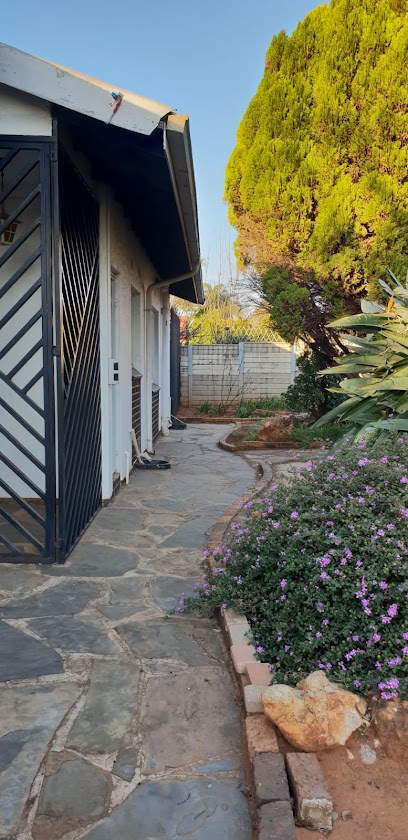
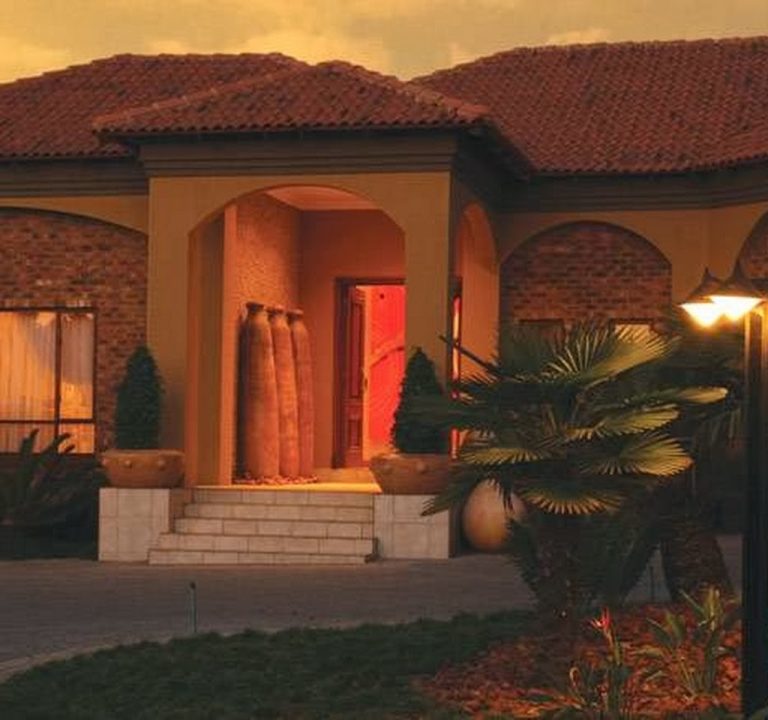
Practical tips to travel smoothly. Pack layers to adapt to changing temperatures, especially if you’ll be out after sunset. Bring comfortable walking shoes for exploring city streets and markets. Have a plan for safe street-level navigation, particularly at night, and use well-lit routes and reputable transport options. Make time to consult a local or property host for current safety tips, must-visit spots and dining recommendations. When dining, consider a mix of casual eateries and more established venues to experience a range of cuisines. If you’re seeking a home-base with a friendly, personal atmosphere, a guest house such as Makvilla Guest House can offer a welcoming stay with helpful local advice and a sense of community.
Attractions and experiences tend to blend urban culture with nature and history. Expect vibrant street art in inner-city districts, heritage sites and museums that recount the region’s past, and markets where you can sample flavours and crafts. Dining in Johannesburg ranges from traditional South African favourites to modern fusion concepts and international cuisines, often with a lively night-time scene in the city’s central belt and trendy neighbourhoods. Plan a mix of day trips and relaxed evenings—a balance of guided tours, independent explorations, markets and cafés will showcase the city’s diversity.
If you’d like a structured starting point, choose a base in one of the prominent central or northern suburbs with easy access to transit, then tailor day trips to interests—history, art, shopping, culinary discoveries or green spaces. With thoughtful accommodation planning and a flexible itinerary, Johannesburg can be a rewarding hub for South Africa’s riches in culture, design and landscape.