Johannesburg: A Guide to Accommodation, Attractions and Eating Out
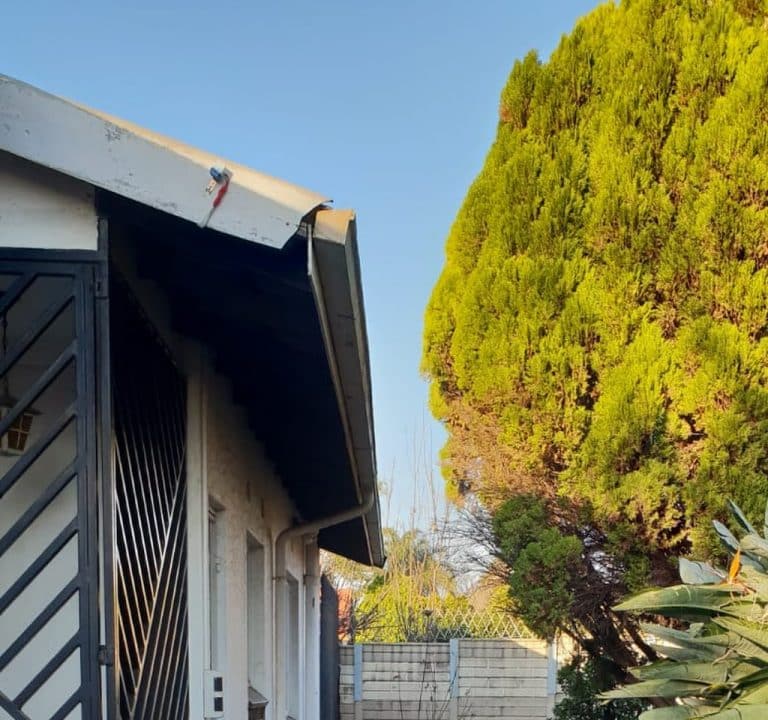
Johannesburg, often referred to as the City of Gold, offers a vibrant mix of neighbourhoods, cultural institutions and a thriving dining scene. When planning a stay, visitors typically think about location, comfort, and access to transport. Whether you are drawn to historic townships, contemporary galleries or the fast-paced city centre, there are options to suit every budget and pace. A stay at a guest house such as Bloom Guest House can provide a welcoming home-from-home experience, with the opportunity to chat with hosts who know the area well and can offer local insight.
Choosing where to base yourself in Johannesburg depends on what you want to see and how you prefer to travel. The central business district and surrounding suburbs are practical for those who want to be near museums, markets and performing arts venues. If you want a more relaxed, leafy setting with shopping malls and easy access to business districts, Sandton and Rosebank are popular. For a creative, up-and-coming scene with cafes, bars and street art, Braamfontein and the Maboneng Precinct are worth exploring. Families might prefer safer, well-serviced suburbs with easy routes to parks and attractions, while travellers seeking nightlife and dining diversity often gravitate towards Melville and Parkhurst. Consider your comfort with walking at night, taxi or rideshare usage, and how much time you want to spend commuting each day.
When booking accommodation, look for key amenities that support a comfortable stay. Essential items include reliable Wi-Fi, air conditioning or heating for varied weather, secure parking or access to safe transportation options, and a good self-catering or continental breakfast offering. A comfortable bed, blackout curtains, a well-equipped bathroom and clear house rules can make a big difference after a long day of sightseeing. If you are visiting during the rainy season or in the heat of summer, inquire about fans or cooling features and how properties handle power outages or load shedding, which can be common in the region. A flexible cancellation policy is also valuable when plans might shift due to weather or events in the city.
Practical planning tips help you make the most of your Johannesburg stay. Start with transport: the city is well served by taxis and rideshare services, and the Gautrain offers convenient links to Johannesburg and Pretoria from certain hubs. Many guest houses and hotels provide helpful guidance on safe routes and nearby public transport stops. If you plan to visit the wider region, consider day trips to nearby suburbs or townships with guided tours that emphasise culture, history and community projects. Pack a light, versatile wardrobe, comfortable walking shoes, and a travel adaptor for regional plugs. Always have a map or offline navigation handy, as mobile data coverage can vary in different parts of the city.
Best time to visit Johannesburg tends to be during the Southern Hemisphere autumn (April to May) and spring (September to November), when temperatures are mild and crowds are manageable. Summer can be lively with street markets and outdoor events, but afternoons may bring afternoon heat and occasional storms. Winter is cool but surprisingly clear, offering crisp mornings ideal for city walks and museum days. If your schedule is flexible, align your visit with local markets, galleries and cultural programming to immerse yourself in the city’s creative heartbeat.
When it comes to experiences, Johannesburg boasts a spectrum of attractions that suit a variety of interests. Visitors can explore world-class museums and galleries, learn about South Africa’s history and culture, and wander through vibrant markets and neighbourhoods that showcase local design and cuisine. For many travellers, a guided township or heritage tour provides context and perspective that enriches the overall experience. Food lovers will find a diverse dining scene, ranging from casual street-food stalls to refined dining in cosmopolitan districts. While exact venues, prices and accolades are constantly evolving, the city’s energy often reveals itself through lively eateries, coffee spots and informal pop-ups that emphasize community and creative endeavour.
- Plan your days around a few anchor experiences (for example, a morning museum visit, a mid-afternoon gallery stroll, and an evening dining or market outing).
- Balance your itinerary with both inside and outside activities to cope with weather and energy levels.
- Ask hosts or accommodation staff for current safety tips and recommendations for reputable guided tours or local operators.
- Consider a mix of neighbourhood walks, cafe-hopping and park time to unwind between sightseeing.
Food and neighbourhoods are integral to a Johannesburg stay. Expect a broad spectrum of dining options, from traditional favourites to modern takes on fusion cuisine. In the best spots, hosts or concierges can point you to casual eateries that showcase local ingredients, as well as more cosmopolitan restaurants that celebrate international flavours. For travellers who enjoy social and communal dining experiences, exploring markets and pop-up venues can be a highlight, offering a sense of place and community without the need for formal reservations.
Finally, think about sustainability and convenience in equal measure. Choose accommodation that aligns with your values—whether that means energy-conscious operation, easy access to public transport, or partnerships with local guides that support community development. By planning ahead, you can enjoy a well-rounded Johannesburg stay that balances comfort, culture and cuisine, while leaving space for spontaneous discoveries that make a trip feel truly personal.