Johannesburg: Where to stay and what to do in Gauteng
Johannesburg offers a rich mix of accommodation styles that suit everything from boutique stays to comfortable family breaks. When planning a visit, think about what you want from your base: proximity to business districts, easy access to cultural precincts, or a quieter neighbourhood with leafy streets and calmer evenings. The city is well connected by major roads and a reliable public transport network, making it feasible to stay in one area and explore others by day trip or short drives.
Popular areas to consider include central districts that pulse with culture and street life, plus affluent neighbourhoods and business hubs where many guesthouses, hotels and boutique stays cluster. Braamfontein and Maboneng offer a vibrant mix of modern comforts and easy access to galleries, markets and eateries. Rosebank is known for its shopping and parks, while Sandton provides a more corporate atmosphere with upscale hotels and convenient transport links. For a deeper dive into local life and history, Soweto and surrounding townships can be paired with guided tours that provide context to Johannesburg’s past and present.
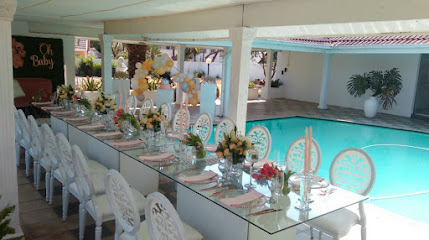
Typical amenities to look for when booking include reliable Wi‑Fi, secure parking or good public transport access, and considerate security measures. Many properties in the city offer breakfast, 24‑hour reception or on‑site dining, and some provide leisure facilities such as pools, fitness spaces or communal lounges. If you’re travelling with family, check for family rooms or suites, child-friendly spaces, and flexible housekeeping options. Business travellers may prioritise work areas, strong desk spaces, and quiet rooms. If you’re chasing sustainability or local flavour, look for properties that partner with local artisans or feature regional décor and design elements.
Transport in Johannesburg is straightforward but varies by area. The Gautrain provides fast connections to Pretoria and to central Johannesburg from O. R. Tambo International Airport, while Uber and licensed taxi services are widely used within the city. If you plan day trips to surrounding attractions, a car can be convenient, though many guesthouses and hotels offer tours or can arrange transfers. When selecting a stay, consider how you’ll move around: some locations are best explored on foot or by short rides to nearby Metro stations, while others are better served by private transfer or hotel-arranged shuttle services.
Best time to visit Johannesburg depends on your priorities. The city has a temperate climate with warm summers and mild winters. Spring (September to November) and autumn (March to May) are pleasant, with longer daylight hours and comfortable temperatures for outdoor exploration. Summer can bring showers and occasional thunderstorms, while winter brings cooler mornings and evenings; most outdoor attractions remain accessible year‑round, though some venues may operate shorter hours during winter and public holidays. If you’re planning outdoor experiences or markets, aligning your stay with weekend activity calendars can be rewarding, as many neighbourhoods host markets, live music and cultural events on Saturdays and Sundays.
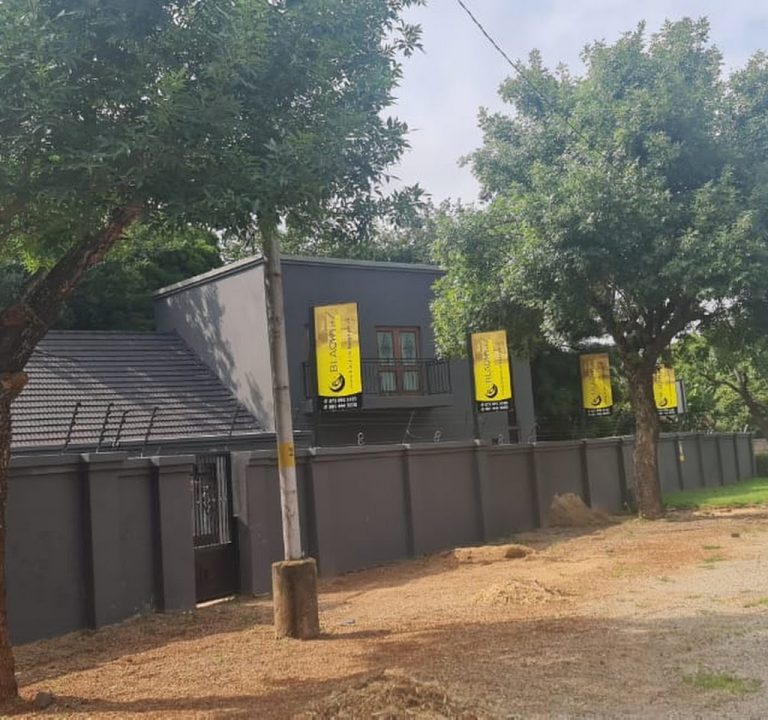
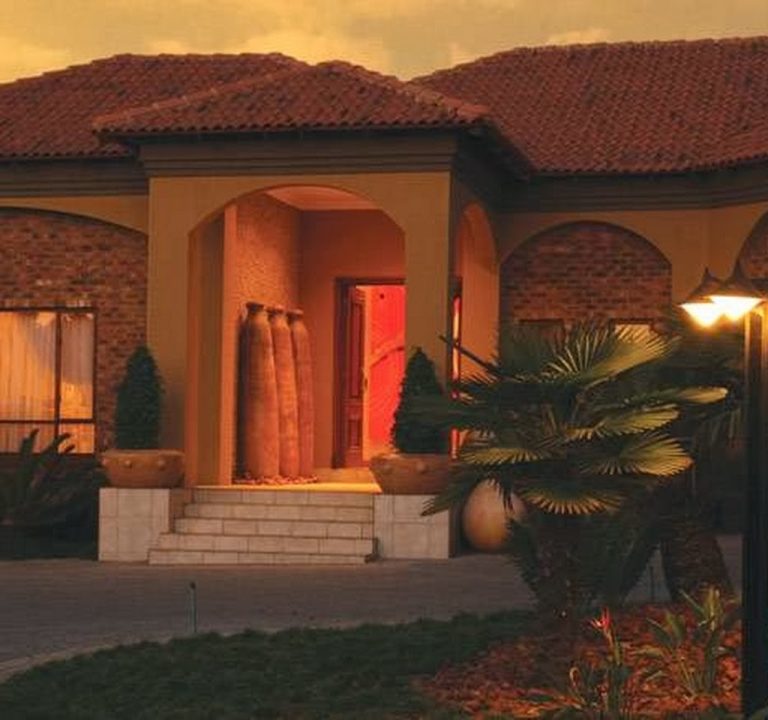
Accommodation in Johannesburg ranges from guesthouses and boutique hotels to larger city hotels, often with flexible booking terms. A guesthouse or small hotel can offer a more personalised experience, with hosts sharing local tips and tailor-made recommendations. In contrast, a bigger property may provide extensive facilities, on‑site dining and reliable conference spaces. When choosing where to stay, consider access to the places you want to visit, as well as the security and comfort of the neighbourhood after dark. Reading recent guest reviews can help you gauge consistency in service, cleanliness and the responsiveness of staff.
Practical tips to help you plan a smooth stay:
- Check the neighbourhood’s safety profile and nights‑time accessibility; look for well‑lit streets and secure entry systems.
- Confirm what’s included in your rate—breakfast, parking, and wifi can represent good value, especially for longer stays.
- Ask about dietary options and accessibility features if needed, and verify room types to suit your party size.
- Review cancellation policies carefully, particularly for peak travel periods or events in the city.
- Request local insights on reputable dining, markets, and walkable routes to reduce time planning on arrival.
Beyond the bed for the night, Johannesburg offers a broad spectrum of experiences. Cultural museums and historic precincts provide perspective on the city’s diverse communities, while contemporary art galleries and design districts showcase contemporary South African creativity. Culinary options range from casual eateries serving comforting favourites to stylish restaurants that highlight local ingredients and contemporary cooking. For a relaxed day, you might wander through parks, browse markets for handmade crafts, or enjoy a guided street-art tour to understand the urban landscape. If you’re seeking nature without leaving the city, nearby nature reserves and viewpoints can offer refreshing breaks from city bustle.
As you plan, remember that Johannesburg is a city of contrasts—from the modern skyline to vibrant street life and pockets of quiet residential calm. Whether you prioritise a central stay with easy access to daytime activities or a quieter base with quick connections to broader Gauteng experiences, there are guesthouses, boutique hotels and larger hotels to suit many preferences. For a personalised experience, consider contacting a property directly or using reputable booking sites to compare options, read current guest feedback, and tailor your itinerary to your interests.