Franschhoek: where to stay, what to see and how to plan a perfect visit
Franschhoek sits in a sheltered valley surrounded by mountains and vineyards, making it one of South Africa’s most charming destinations for food lovers and wine enthusiasts. When planning a stay, consider staying in or near the centre of the village for easy access to strollable streets, cosy guesthouses, and fine-dining restaurants, or choose a peaceful hillside or valley setting a few minutes’ drive away for sweeping views and a more secluded atmosphere. Both options offer excellent access to the region’s celebrated wine estates, art galleries and world-class eateries, while still feeling part of a tight-knit, welcoming community.
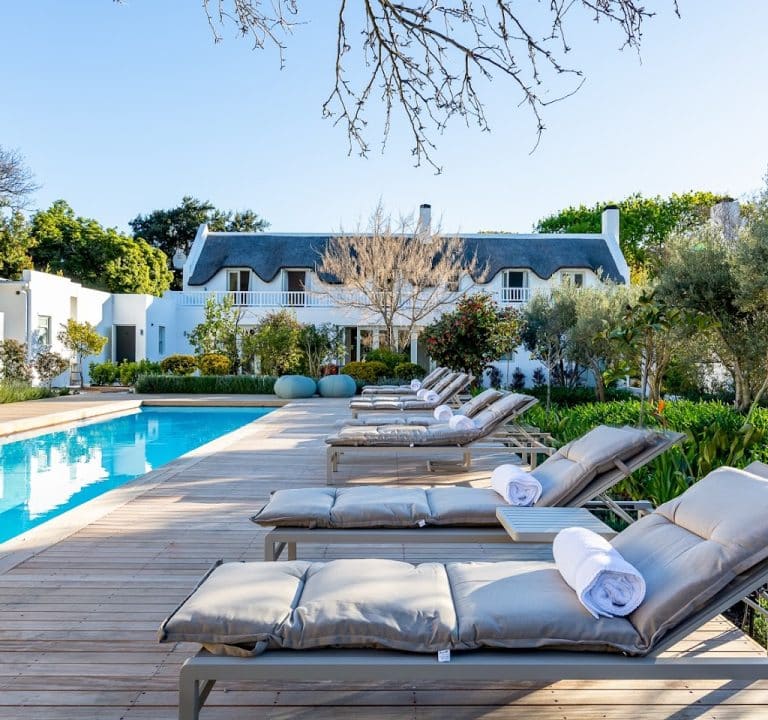
Accommodation in Franschhoek ranges from intimate boutique guesthouses and self-catering cottages to refined boutique hotels and full-service lodges. Look for options that suit your preferred pace of travel: a boutique stay close to the heart of town is ideal for exploring on foot, while a countryside retreat with a pool and outdoor spaces is perfect for relaxation after long winery days. Practical features to prioritise include secure parking, reliable Wi‑Fi, on-site dining or easy restaurant access, and thoughtful touches such as a private terrace, a well-equipped kitchenette or access to a communal garden. Where possible, choose properties that offer guidance on local experiences, such as wine tastings, market visits, or scenic walks, which can help you make the most of your time in the valley.
If you are considering a stay at a boutique property such as Maison Cabrière Boutique Suites, you will typically find rooms with tasteful design, en-suite bathrooms and a personalised approach to guest services. For many visitors, being able to stroll from the room to a nearby wine estate or a late-afternoon tasting session adds a memorable dimension to the trip. Always check the architectural style, room sizes, and daily housekeeping arrangements, as well as whether breakfast is included or available on site, since this can influence daily budgeting and pacing.
Transport in Franschhoek is typically easiest with a car. The village is compact enough for easy walking, but a vehicle gives you the freedom to explore surrounding wine farms, orchards and scenic viewpoints without relying on public transport schedules. If you prefer not to drive after a tasting, inquire about arranged tours or transfers offered by your accommodation or local operators. For longer itineraries, consider combining a few nights in Franschhoek with a day trip to nearby towns and routes, such as the wine route that threads through the valley and neighbouring valleys, or a nature walk in nearby reserves.
Best time to visit tends to be during the shoulder seasons of spring and autumn, when the weather is pleasant, the countryside is lush and the crowds are more relaxed. Spring (September to November) brings vibrant gardens and grapevines waking from dormancy, while autumn (March to May) offers warm days and cooler evenings, ideal for wine tastings and alfresco dining. Summer stays are lively, with longer daylight hours, but can be busier and pricier. If you are after quieter days and good light for photography, plan for weekdays and avoid peak holiday periods.
When it comes to planning activities, Franschhoek delivers a balanced mix of wine experiences, scenery and culture. In general terms, you can expect affairs centred around wine estates with cellar tours and tastings, art galleries tucked along the main street, and picturesque trails that invite leisurely exploration. Dining is a highlight here; the village hosts a strong range of restaurants and cafes offering modern South African cuisine, seasonally driven menus and gracious hospitality. For a day out that captures the essence of the region, a wine-and-food itinerary paired with a scenic drive through valley landscapes is a reliable choice. If you enjoy a touch of history, you will come across commemorations and exhibitions related to the area’s Huguenot heritage, alongside boutiques, craft shops and farmers’ markets where local produce and handmade goods are showcased.
To help you plan a balanced itinerary, you might consider a simple framework: a day or two of wine tastings on nearby estates, a stroll through the town to discover shops and galleries, and an afternoon at a scenic spot or garden. For dining, reserve ahead where possible, particularly in popular seasons, and keep a list of local favourites so you can bounce between options depending on mood and availability. If you prefer discovery over planning, ask your accommodation hosts for a suggested route or a vetted guide who can tailor experiences to your interests.
Practical tips to maximise your stay:
- Book well in advance for weekends and peak seasons, especially for boutique properties and highly sought-after wine estates.
- Confirm breakfast availability, parking arrangements and whether there are any resort fees or minimum-stay requirements.
- Ask about accessibility, including elevator access if you have mobility considerations or heavy luggage.
- Factor in travel time when planning back-to-back tastings—staunch sun and winding roads can affect pace and comfort.
- Pack layers for changing temperatures between day and evening, particularly during shoulder seasons.
- utilise reputable local operators for wine tours, and consider private or small-group options for a more personalised experience.
For more inspiration and a feel of a boutique option in Franschhoek, you can explore the website of Maison Cabrière Boutique Suites at maisoncabriere.com. It offers a flavour of the refined, intimate stay that complements the valley’s celebrated gastronomy and wine. Remember that Franschhoek is a destination best savoured at a relaxed pace—allow time for lingering over a wine flight, wandering the village lanes, and enjoying the surrounding scenery as part of a well-rounded and memorable visit.