Accommodating Franschhoek: where to stay and how to plan a memorable visit
Franschhoek, renowned for its scenic pairings of wine, food and mountain scenery, offers a compact yet diverse range of places to rest your head after a day exploring. From cosy guesthouses tucked in leafy lanes to boutique hotels with a village ethos, there are options to suit romantic getaways, family trips and discerning travellers seeking a quieter pace among the Cape Winelands. When choosing an area to stay, think about how you want to experience the town and its surroundings: the centre of Franschhoek Village is convenient for strolls to eateries and galleries, while quieter pockets along the slopes or along the valley offer greater privacy and views over vineyards and mountains.
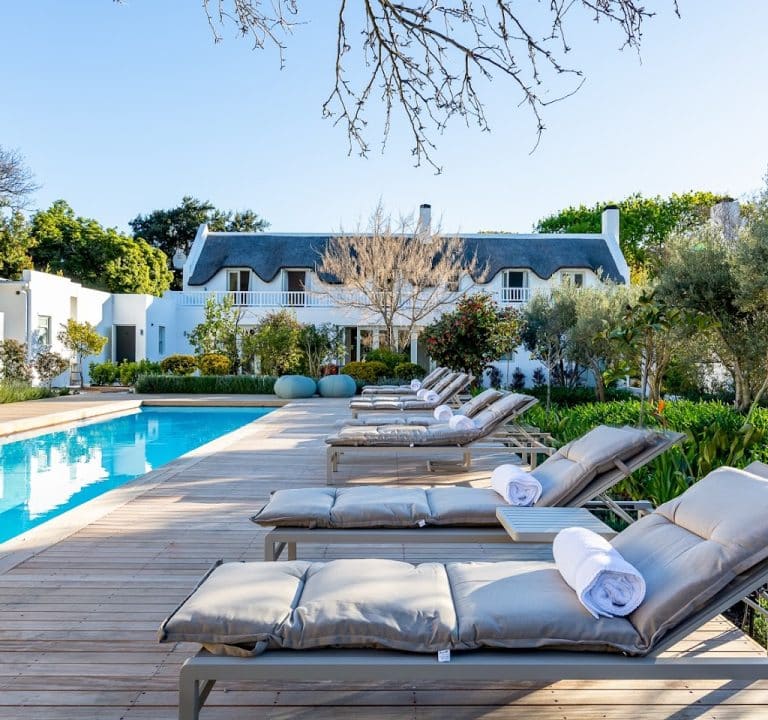
One classic approach is to stay in or near the village core, where you can easily wander to a selection of restaurants, coffee houses and local markets. If you value serenity and a longer terrace with vineyard vistas, consider accommodations set on wine farms a short drive from the village. For families or groups, larger self-catering properties or well-equipped guesthouses can provide space and flexibility, while intimate boutique hotels offer personalised service and amenities such as pools, spa treatments, and on-site dining.
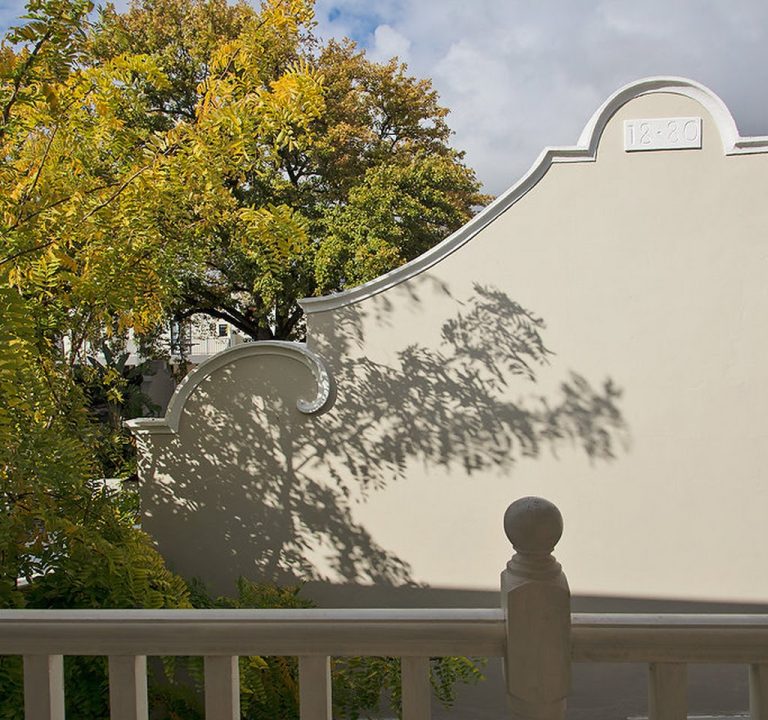
Typical amenities across Franschhoek’s accommodation include free Wi‑Fi, private en-suite bathrooms, breakfast options (from continental to plated garden-fed menus), and parking. Many establishments offer a blend of contemporary comfort and traditional Cape Dutch or French-inspired architecture. If you favour a more self-contained stay, look for facilities such as a kitchenette, living area, and outdoor spaces. For travellers seeking a touch of luxury, some boutique hotels curate wine tasting experiences, private tastings on the property, or guided vineyard tours, often with easy access to wine estates within a short drive.
Transport is straightforward in Franschhoek. A car is the most practical way to explore beyond the village, including nearby wine estates and the surrounding countryside. Within the village, you can often explore on foot or by bicycle. Should you prefer not to drive, many guesthouses can arrange shuttle services, and local guides offer customised tours and tastings. If you plan to visit multiple wine farms, consider a curated wine route to limit driving time and enhance your tasting itinerary. It is worth noting that some attractions and eateries are seasonal, so a little flexibility in plans helps.
The best time to visit Franschhoek generally aligns with when the countryside and vineyards are at their most photogenic and the weather is mild. Spring (August to November) brings budding vines and colourful gardens, while autumn (March to May) offers harvest atmosphere and pleasant temperatures. Winters are cooler and quieter but can be equally charming, with cosy dining and fireside evenings. Summer can be lively, with outdoor dining and events, yet may be busier in peak months. Consider your tolerance for crowds and your preferred pace when choosing a visit window.
When planning your stay, think about a balance between eating, tasting and resting. Franschhoek’s restaurant scene ranges from intimate bistros for light lunches to refined venues offering multi-course menus with wine pairings. Rather than chasing a single dining destination, plan a handful of reservations across the stay so you can enjoy a relaxed tempo without back-to-back dining commitments. Many accommodations feature recommended routes or partnerships with nearby restaurants, wine farms and activity providers, which can simplify planning and add value to your trip.
Accommodations in Franschhoek cover a spectrum from historic guesthouses and country inns to contemporary boutique hotels. For a practical starting point, previewing properties that emphasise comfort, accessibility and guest services helps you shortlist based on what matters most—whether it is view, privacy, or on-site amenities such as a pool, spa, or on-site dining. If you are travelling with children, seek family-friendly layouts, larger suites or apartments, and easy access to open spaces. For an adult escape, you may prioritise intimate settings, extras like private terraces or wine-pairing offerings.
Example option to explore online is Cabrière Cottage, a property described as indoor lodging with its own distinctive character. It offers an opportunity to stay within a short drive of Franschhoek’s dining and wine scene while enjoying a private setting. Further details, rates and booking options are available on the property’s official website: Cabrière Cottage.
To help with planning, here are practical considerations to keep in mind:
- Check room configurations and accessibility if you have mobility needs or prefer single-floor layouts.
- Look for parking arrangements and access to public transport or shuttle services if you don’t plan to drive daily.
- Confirm breakfast formats (self-cherished pantry provisions vs. chef-prepared options) and whether there are evening dining alternatives on-site or nearby.
- Ask about proximity to the centre of Franschhoek and any seasonal events that could affect traffic or crowds.
In summary, Franschhoek rewards visitors with a compact, walkable core and a luscious landscape just beyond. By choosing a location that suits your pace, confirming essential amenities, and planning around the town’s seasonal rhythm, you can enjoy a stay that blends comfortable accommodation with world-class food and wine, all within a setting that feels timelessly inviting.