Franschhoek: a stylish base for wine, food and mountain scenery
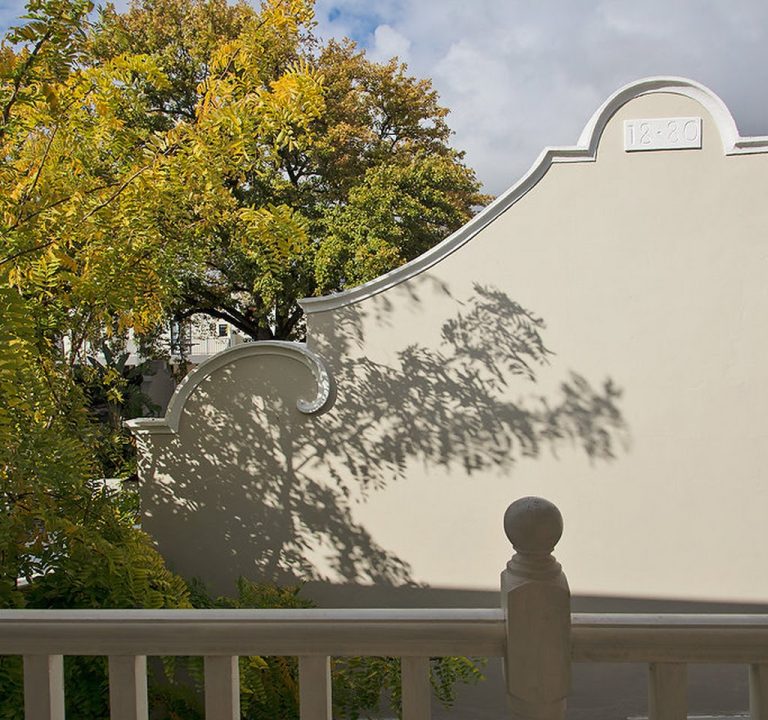
Franschhoek sits in a folded valley flanked by rugged peaks and vine strewn hills, making it an ideal base for travellers who want to combine luxury accommodation with exceptional food, wine and outdoor experiences. The village core preserves a French-influenced heritage, while the surrounding wine routes reveal rolling terroir, hedgerows of olive trees and dramatic mountain vistas. A well-chosen stay here can set the pace for leisurely days, picnics by a vineyard, and easy access to the district’s celebrated farms and farm-to-table dining.
In planning a stay, consider where you want to unpack each morning. The village core offers walkable access to shops, cafes and bakeries, as well as galleries and courtyards that spill onto pedestrian-friendly streets. If you prefer a quieter rural ambience, look for boutique guest houses or villas perched among the vineyards or hillside estates. For those who relish sweeping views from the hotel terrace or a private courtyard, search for properties that emphasise landscape outlooks and outdoor living spaces. One notable example of a boutique option in the area is Kruger House Luxury Suites, a guest house that embodies intimate, home-style hospitality within easy reach of Franschhoek’s culinary scene.
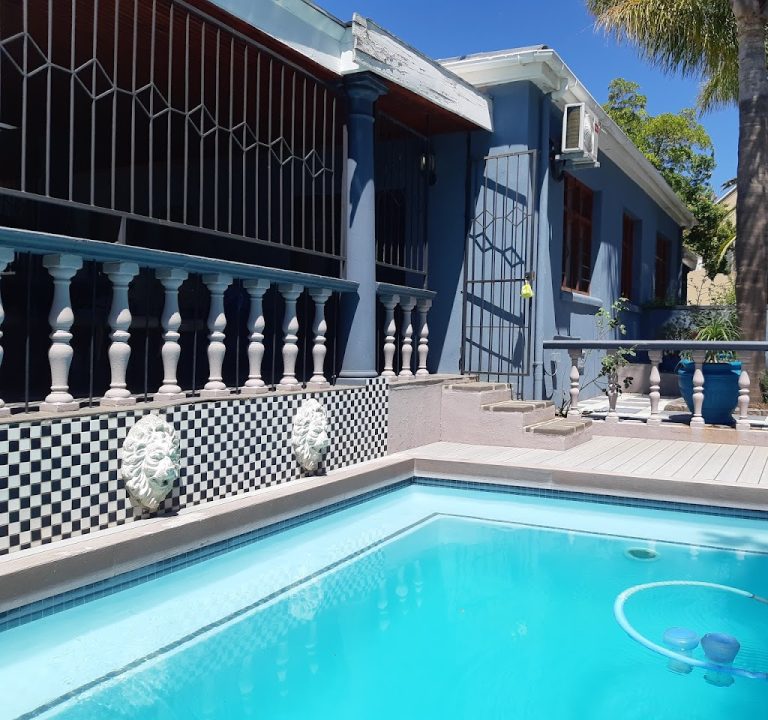
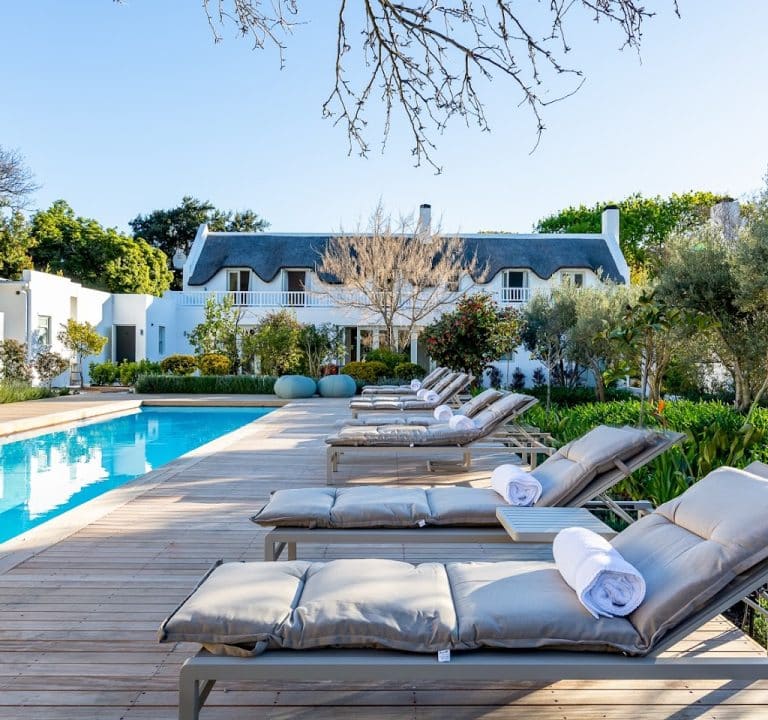
Typical accommodation in Franschhoek ranges from intimate guest houses and boutique hotels to self-catering cottages on vineyard estates. Expect warmly styled interiors, private or en-suite bathrooms, daily housekeeping, and sometimes a breakfast service or shared kitchen facilities. Many properties feature outdoor pools, garden spaces, and verandas where you can linger with a glass of local wine as the sun sinks behind the peaks. Wi-Fi is commonly available, and secure parking is an important detail if you plan to hire a car to explore the valley and its farm stalls.
When you book, focus on practicalities that influence comfort and convenience. For families, verify bed configurations, space for children, and availability of separate living areas. For couples or solo travellers seeking quiet, look for properties with soundproofing, private entrances, or secluded courtyards. Consider access to on-site or nearby dining options and whether breakfast is included or available à la carte. If you expect to work remotely, confirm reliableWi‑Fi and a suitable workspace. If you plan winery visits, ask about parking on vineyard estates or access to bicycles. It’s also wise to understand the cancellation policy, particularly during peak seasons when room availability can be limited.
Transport in Franschhoek is straightforward but best planned in advance. A car gives you the most flexibility to explore surrounding wine farms, scenic viewpoints, and markets. If you prefer not to self-drive, some guest houses arrange transfers or can connect you with private drivers. Walking is pleasant within the village core, while taxis or rideshares can transfer you to nearby trails or top-tier restaurants after an evening meal. For those arriving by air, the nearest international hubs are a short drive away, with road connections through the Winelands that are well signposted and easy to navigate.
Best time to visit Franschhoek depends on what you want from your trip. Spring (September to November) and autumn (March to May) offer mild weather, abundant flowers, and active harvests at many farms. Summer brings longer days, warm temperatures, and a lively dining scene, though it can be busier. Winter is cooler and more tranquil, appealing to visitors who want to savour cosy guest houses, fireside conversations, and cellar-door experiences away from crowds. For outdoor pursuits, the shoulder seasons provide comfortable conditions for hiking in the surrounding hills or exploring the valley by foot or bicycle.
Attractions and experiences in general terms include vineyard tours, cellar-door tastings, art galleries, and markets where local crafts and foods feature strongly. Visitors can enjoy scenic viewpoints and nature trails that showcase the region’s mountain backdrop and agricultural heritage. Culinary highlights are front and centre in Franschhoek, where many restaurants highlight seasonal produce and contemporary takes on classic flavours. While it’s wise to plan ahead for reservations at popular spots, there are also casual eateries and vineyard bistros that offer relaxed dining with a winery setting. For those seeking a cultural flavour, small museums and heritage sites reflect Franschhoek’s diverse history and contributions to the Western Cape’s wine and hospitality story.
Practical tips to help you plan your stay:
- Book early for peak periods, especially autumn harvest and spring festival weeks.
- Choose a base that matches your pace—central village stays for walkability or vineyard-side properties for scenery and privacy.
- Check for inclusive breakfast, parking, and access to outdoor spaces when you value convenience.
- Confirm access to on-site amenities such as a pool, garden, or terrace, and whether dining is on-site or nearby.
- Consider a short list of must-do experiences, such as a vineyard lunch, a stroll through the village, and a gentle hike to enjoy the landscapes.
For ideas on where to start, you can explore the official Franschhoek tourism resources for planning inspiration and current recommendations. A carefully chosen stay in Franschhoek, paired with well-paced days of tasting, touring and dining, makes for a memorable and quintessential Cape Winelands visit.
Further information can be found at trusted tourism sources and the region’s official pages. Explore these resources to tailor your itinerary, book suitable accommodation, and discover what makes Franschhoek a preferred destination for wine lovers, foodies, and travellers seeking scenic tranquillity.