Accommodating Franschhoek: where to stay and how to make the most of your visit
Franschhoek, tucked in the Western Cape between vines and mountains, offers a compact yet richly varied hospitality scene. From boutique hotels to cosy guesthouses and self-contained retreats, the village radius is easy to explore on foot or by short drives. When planning a stay, think about the area you’d like to base yourself in, what you want to be close to, and how you’ll move around to enjoy the surrounding oenological and gastronomic delights.
Several areas within and around Franschhoek are particularly convenient for different styles of visit. The centre is perfect for those who want to be within easy reach of the main streets, wine estates, and straight-to-table dining. More tranquil pockets outside the village offer a sense of privacy and direct access to vineyard views, while hillside lodges can deliver dramatic panoramas and a peaceful backdrop for long, lazy days of relaxation. When choosing accommodation, consider how close you want to be to wine-tasting venues, art galleries, or hiking trails, and whether a larger property with generous communal spaces or a smaller, intimate setting better matches your travel style.
Booking considerations go beyond price. Look for clear cancellation policies, flexible dates, and detailed room descriptions. Check what’s included with your stay—breakfast options, access to spa facilities, or the availability of on-site dining can make a big difference over a weekend. It’s helpful to verify parking provisions, access for late arrivals, and whether the property has an on-site team or a manager who can offer local recommendations on routes, seasonal closures, and special events. Realistically assess whether you want a self-contained unit or a hosted experience with a resident host who can provide insights into local winelands tours and hidden gems.
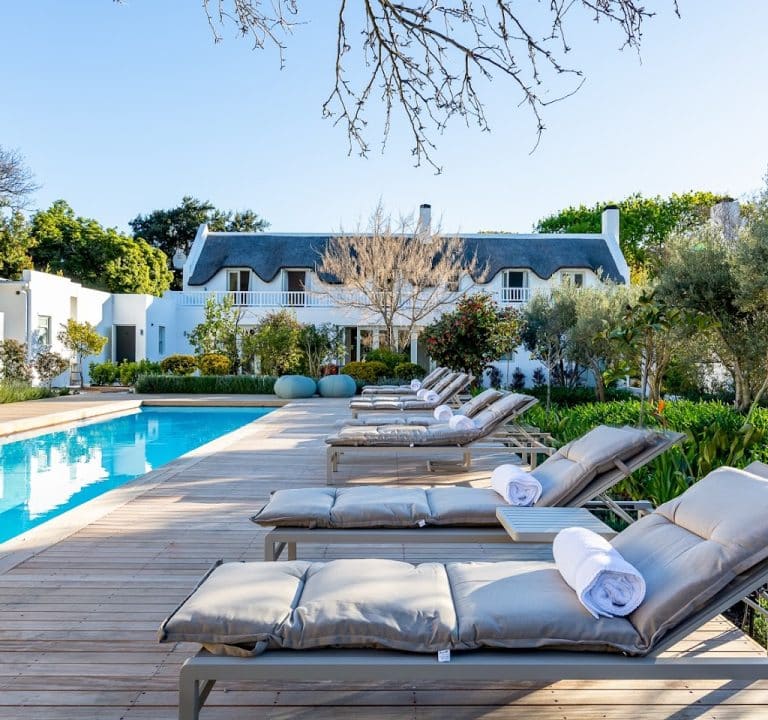
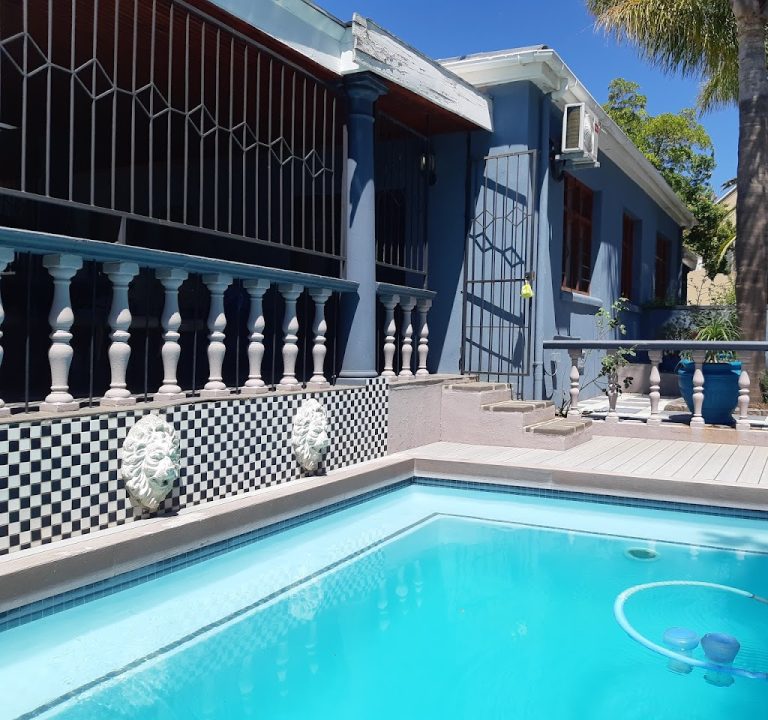
Typical amenities in Franschhoek accommodation include en-suite bathrooms, private patios or balconies with vineyard or mountain views, and climate control suitable for four-season stays. Many properties offer heated pools or hot tubs, well-equipped kitchens or kitchens within suites, and spaces to relax indoors and outdoors. Wi-Fi remains important for planning day trips, checking restaurant reservations, and sharing memories with those back home, while some properties feature libraries, communal lounges, or shaded courtyards for tranquil afternoons. For families or groups, larger suites, interconnecting rooms, or cottages on the same site are a practical choice, while couples may prioritise intimate rooms, privacy, and a quiet setting for wine country living.
Transport in Franschhoek is straightforward but warrants a little forethought. If you’re arriving from Cape Town or the airport, a hire car provides the most flexibility to explore the valley at your own pace. Alternatively, many visitors join guided tours or arrange private transfers to vineyards, restaurants, and day trips. Within the village, you can usually stroll between dining rooms, galleries, and wine-tasting venues, with taxis or rideshares available for longer ventures. If you plan to travel beyond Franschhoek, a map or local recommendations help identify scenic drives, backroads, and less-frequented viewpoints that might not be on a standard tourist route.
The best time to visit Franschhoek blends weather, harvest calendars, and culinary calendars. Spring (August to November) brings fresh greens and blossoming landscapes, while autumn (March to May) delivers cooler days, colourful vineyards, and comfortable touring conditions. Summer stays offer longer days for vineyard lunches and al fresco experiences, but can be busier around peak tourist periods. If you’re chasing quieter periods and more budget-friendly rates, consider midweek stays or the shoulder seasons. Be prepared for rapidly changing weather in mountain-adjacent areas, and bring layers to accommodate cool mornings and warmer afternoons.
When planning a stay, incorporate a balance of accommodation, meals, and experiences. Franschhoek is renowned for its culinary scene—expect to encounter a high concentration of exceptional restaurants, wine estates with tastings, and producers offering tastings or pairings. While specific venues may vary, the general approach remains consistent: book ahead for popular spots, allow time for leisurely tastings, and factor in transport between venues if you’re not driving. Walking through the village gives a sense of scale and charm, and many visitors enjoy a programme that blends a couple of wine-tasting days with gallery visits and a day at a nature or garden retreat.
If you’re exploring options for a stay that offers both comfort and a sense of place, consider Karob House as an example of the kind of hotel-focused experience available in the region. It illustrates how a well-placed base in Franschhoek can combine thoughtful rooms, attentive service, and convenient access to both the village hub and the surrounding winelands. Regardless of where you book, aim for a property that aligns with your pace—whether you want a self-contained escape for a few days of quiet contemplation or a lively base for wine-tasting adventures and restaurant hopping.
Practical tips for a smooth stay:
- Book well in advance for peak harvest and seasonal events.
- Ask about parking, breakfast service, and late check-in arrangements.
- Plan a flexible itinerary to accommodate weather changes and a favourite tasting pace.
- Prioritise a central base if you prefer evening strolls to determine dinner options on foot.
Ultimately, Franschhoek offers a compact, well-connected, and highly rewarding destination for a wine-and-dine-focused getaway. With careful planning, your stay can be as relaxed or as adventurous as you wish, leaving you with lasting memories of stunning scenery, superb cuisine, and warm hospitality.