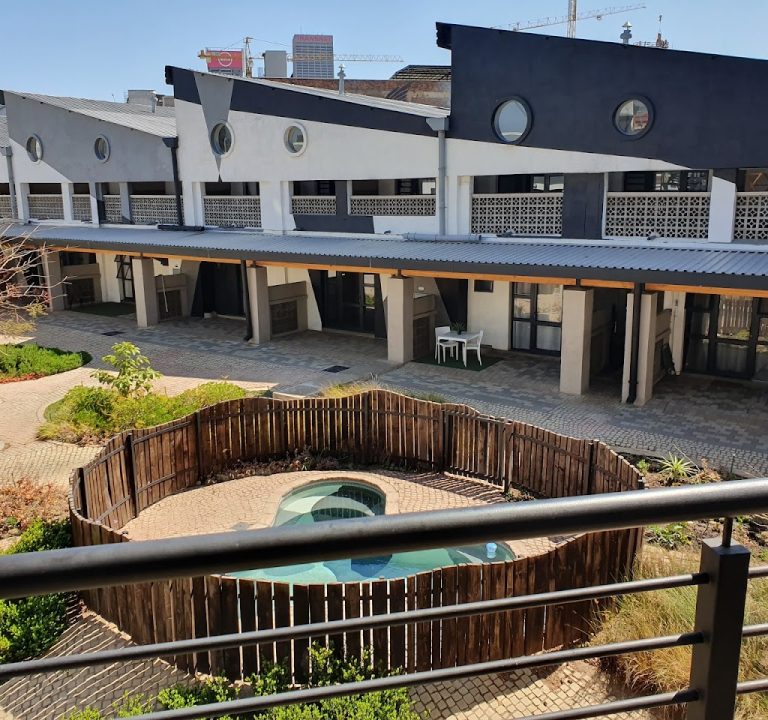
Staying in Johannesburg: Where to stay, what to expect, and how to plan a memorable visit
Johannesburg, or Jo’burg, is a vibrant gateway to South Africa’s rich history, culture, and dynamic urban life. When planning a stay, you’ll find a wide range of accommodation options from stylish boutique hotels and modern city apartments to cosy guesthouses and secure lodge-style stays. Each district offers its own flavour, so choosing the right base is key to making the most of your time in Gauteng’s largest city.
Central Johannesburg is convenient for first-time visitors who want quick access to museums, theatres, and business districts. The top end of the city centre offers contemporary hotels and serviced apartments that suit travellers who prefer easy access to major attractions on foot or with short taxi hops. For a more relaxed, leafy ambience, neighbourhoods such as Rosebank, Sandton, and Melville provide a mix of boutique stays, mid-range hotels, and guesthouses with a focus on comfort and hospitality. If you’re after a suburban feel with easy access to nature, northern suburbs and the greater Sandton area offer secure properties with modern amenities and spa facilities.
When choosing where to stay, consider distance to your planned activities and transport options. Johannesburg is large, and traffic can be heavy at peak times. Areas with good public transport links, such as proximity to Gautrain stations in Rosebank, Sandton, and Park/路, can make day trips smoother. Look for properties that offer on-site parking if you plan to hire a car, or convenient arrangements with nearby parking if you’re relying on shared transport. Check whether the accommodation has reliable security features, comfortable beds, quiet rooms, and air conditioning or good ventilation, as Johannesburg can be warm in summer and cool at night in winter.
Typical accommodation features across Johannesburg range from en-suite bathrooms and reliable Wi‑Fi to in-room coffee/tea facilities, minibars, and daily housekeeping. If you’re on a longer stay, you might prefer a serviced apartment or a guesthouse with a self-catering option. Several properties offer gym access, business facilities, or communal lounges, which can be helpful for families or travellers who value sociable spaces. It’s worth asking about breakfast options, on-site dining, and availability of late check-ins if your travel plans involve late arrivals or early departures.
One practical tip is to look for confidence-inspiring credentials. Read recent guest reviews to gauge consistency, check for privacy and noise levels, and confirm cancellation policies that suit your plans. If you’re travelling with children, inquire about family-friendly rooms, safe play areas, and access to easy routes to kid-friendly attractions. For travellers seeking a more experiential stay, some properties partner with local operators for guided tours or cultural experiences, which can be a convenient way to sample the city responsibly.
Transport is a key consideration for a smooth Johannesburg stay. The Gautrain provides fast, efficient rail connections between key hubs such as Sandton, Rosebank, and the city centre, and is a handy option for day trips to other parts of Gauteng. Within the city, Uber and other ride-hailing services are widely available, as are conventional taxis. If you prefer to explore on foot, choose a stay in safer, well-lit neighbourhoods with easy access to dining and entertainment precincts. For those who enjoy a scenic route, some districts offer pleasant tree-lined streets and urban parks that are perfect for a stroll after a day of sightseeing.
Best time to visit Johannesburg is generally spring (September to November) and autumn (March to May) when the weather is mild and outdoor activities are pleasant. Summers can be hot and wet, with occasional afternoon thunderstorms, while winters are cool but generally dry. If you’re hoping to pair a city break with a wider Gauteng itinerary, consider combining your stay with visits to nearby nature reserves, historical sites, and street markets to experience the city’s diverse rhythms.
What to plan before you go
- Define your priorities: business facilities, cultural access, or a quieter base for family travel.
- Check transport links from your chosen area to museums, galleries, and skyline viewpoints.
- Review cancellation terms and refund policies in light of potential changes to plans.
- Pack layers for variable weather and comfortable walking shoes for city explorations.
- Consider sustainable travel options and support local businesses by dining at neighbourhood eateries and using local guides or experiences.
Attractions unfold across a mix of historic, contemporary, and natural settings. Museums and cultural centres offer insights into South Africa’s complex past and evolving present, while shopping districts and markets provide opportunities to sample local crafts and cuisine. Restaurants in Johannesburg range from refined dining rooms to casual bistros and vibrant street-food hubs, giving visitors a flavourful sense of the city’s diverse culinary scene. For a well-rounded visit, balance museum days with time in parks, art districts, and lively streets where music, street art, and markets reflect the city’s creative energy.
When booking accommodation, you might encounter properties marketed under various categories—hotels, guesthouses, or serviced apartments. A well-chosen base will feel safe, comfortable, and just a step away from the experiences you value most. If you’re interested in viewing a sample option, you can explore official hotel listings or dedicated travel guides that point to individual properties and their available facilities, including on-site dining, fitness spaces, and concierge services. For planning purposes, consider bookmarking a few reputable travel sites that feature up-to-date availability and guest feedback, and check the property’s own website for the most current information about special offers and local guidance.
Johannesburg is a city of contrasts and connections, where thoughtful planning, sensible expectations, and a curiosity about local life will help you enjoy a rewarding stay. Whether you’re here for business, culture, or family adventures, a well-chosen base coupled with flexible itineraries will enable you to discover both the city’s well-known sights and its hidden gems. For more ideas and practical planning tips, visit general tourism resources and the official websites of individual properties to tailor your stay to your preferences.