Where to stay, eat and explore in Johannesburg, Gauteng
Johannesburg offers a vibrant mix of neighbourhoods, modern hotels and guesthouses, and a calendar of experiences that suit all kinds of travellers. With a sprawling metropolis feel and pockets of cultural brilliance, planning a stay in Johannesburg often starts with choosing the right area and a few reliable amenities. Whether you are seeking a city centre hub for convenience, a leafy suburb with a relaxed pace, or a lively neighbourhood known for bars and street art, there are options to match every itinerary and budget.
Areas to consider when booking include the central business district, which is convenient for business travellers and those who want quick access to museums and markets. The northern suburbs, including busy business corridors and upscale residential streets, are ideal for guests who value security, on-site parking, and contemporary design. The northern and western parts are well connected to major highways, while the eastern and southern sectors offer a more relaxed, bohemian atmosphere with cafés, galleries and easy access to parks and cultural venues. If you are planning a deeper dive into South Africa’s history and culture, a stay in areas with walkable streets, markets and a compact dining scene can be particularly rewarding.
When booking, look for a few practical features that make a stay smoother. Reliable Wi‑Fi is essential for planning day trips and staying connected. Consider properties with secure on-site parking or easy access to safe public transport. A good breakfast can save time before early excursions, while on-site dining, a well equipped kitchen or nearby options give you flexibility for dinner after long days out. A clean, quiet room with comfortable bedding, a well‑appointed private bathroom, sufficient storage and thoughtful extras (such as a desk or seating area) can transform a busy travel itinerary into a more comfortable experience. If you plan to explore beyond the city, check for access to a reception that is helpful with arranging transport or local tips for safe, efficient travel.
Transport in Johannesburg is varied and robust, so it is worth weighing how you will move around. The city has a rapid rail connection in some areas that links to the broader Gauteng region, and compact, easy-to-hail options are common in central districts. Taxis and ride‑hailing services are widely used, while car hire unlocks the freedom to visit parks, viewpoints and markets at your own pace. When choosing accommodation, consider proximity to a Gautrain station or main transport arteries to cut travel time and reduce reliance on longer drives. If you are arriving by air, a property with straightforward access to the airport corridor or major highways can help you settle in quickly.
Best time to visit Johannesburg generally aligns with comfortable temperatures and manageable rainfall. The autumn and spring shoulder seasons offer mild days, pleasant evenings and fewer crowds in popular attractions. Summer brings longer daylight hours and lush surroundings, though some afternoons can bring brief showers. Winter is cooler but often sunny, with fewer lines at museums and popular spots. Regardless of when you travel, planning ahead for weekend events, markets and temporary exhibitions can help you time your stay to the best experiences in the city.
- City centre and central suburbs: convenient for museums, markets and business travellers, with a range of mid‑range to boutique properties.
- Upmarket northern suburbs: luxury and modern hotels with strong on‑site amenities and easy highway access.
- Bohemian and cultural precincts: guesthouses and small hotels near eateries, galleries and live music venues, with good walking access.
- Distance to attractions: balance your distance from major sights with transport options to save time during busy days.
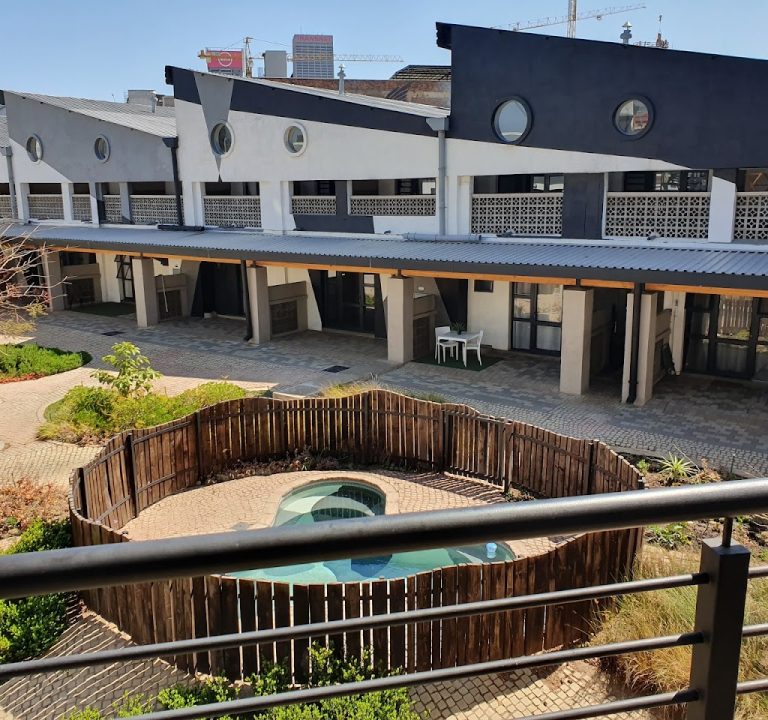
Across accommodation types, you will find a spectrum of options—from contemporary hotels and stylish boutique stays to comfortable guesthouses and family‑run lodges. Typical amenities often include free or premium Wi‑Fi, continental or full‑board breakfast, on‑site parking, a fitness room, and secure access or 24‑hour reception. Some properties may offer additional conveniences such as a pool, a bar or lounge area, and a small business corner with printing facilities. If you are exploring with a family or a group, look for larger rooms, interconnecting options, and kitchens or short‑order dining that provide flexibility for meals and snacks between day trips.
When planning activities, consider a blend of indoor and outdoor experiences. Johannesburg’s museums and heritage sites offer insights into the country’s complex history, while markets, street art tours and food precincts provide a sense of the city’s creative energy. For nature lovers, nearby parks and green spaces offer walking routes and birdwatching opportunities. Dining ranges from casual cafés and bustling food halls to refined restaurants that focus on contemporary South African and international cuisines. While price and availability can vary, a well‑chosen base with good transport links can unlock a broad day‑to‑day range of possibilities, from city sights to nearby natural escapes.
For more inspiration and practical planning, you can visit the official tourism pages and hotel‑booking platforms that offer area guides, transport tips and current advisories. A well‑located stay in Johannesburg can be a launching pad for a rich mix of urban exploration, cultural discovery and relaxed downtime, all within easy reach of the city’s many sides. Whether you aim to uncover markets and galleries, or simply enjoy a comfortable retreat after a day of sightseeing, thoughtful planning will help you make the most of your time in Gauteng. For further information, see Visit Johannesburg and regional travel resources: Visit Johannesburg.