Johannesburg: Accommodation, Attractions and Practical Planning for a Great Stay
Johannesburg, known as Jo'burg or Jozi, offers a dynamic mix of urban culture, historical sites and contemporary comforts. When planning a stay in Gauteng’s largest city, consider a neighbourhood that matches your interests, from stylish boutique stays near the cultural precincts to leafy suburbs with family-friendly guesthouses and easy motorway access for day trips.
Areas to consider
- Randburg and the northern suburbs: Known for chic BnBs, boutique hotels and guesthouses with modern décor, often near parks and shopping centres. These areas provide easy access to highway routes and quieter evenings.
- Melville and Greenside: Hip, bohemian districts with intimate guesthouses, convenient for dining and nightlife, and close enough to central Johannesburg for daytime sightseeing.
- Johannesburg CBD and Hillbrow: For travellers drawn to history and architecture, with a range of affordable accommodation. Opt for properties with secure parking and reputable management.
- Sandton and Sandton City corridor: The financial and shopping heart offers upscale hotels and serviced apartments, great for convenience and high-end dining.
- Base midpoints like Rosebank and Parkhurst: Known for easy access to transport links, markets, restaurants and galleries, ideal for walkers and light travellers.
What to look for when booking
- Security and access: Prioritise properties with good security, controlled access, and on-site parking or easy public transport access.
- Connectivity: Check for reliable Wi-Fi, workspaces if needed, and proximity to Gautrain stations or bus routes for city centre and airport connections.
- Self-catering vs. concierge options: Decide whether you prefer a kitchen in your room, a guesthouse with breakfast, or a hotel with in-house dining and bar facilities.
- House rules and flexibility: Consider check-in times, cancellation policies, and whether late arrivals are accommodated.
- Accessibility and mobility: If you have mobility needs, verify elevator access, ground-floor rooms, and nearby parking.
Typical amenities and what they mean for your stay
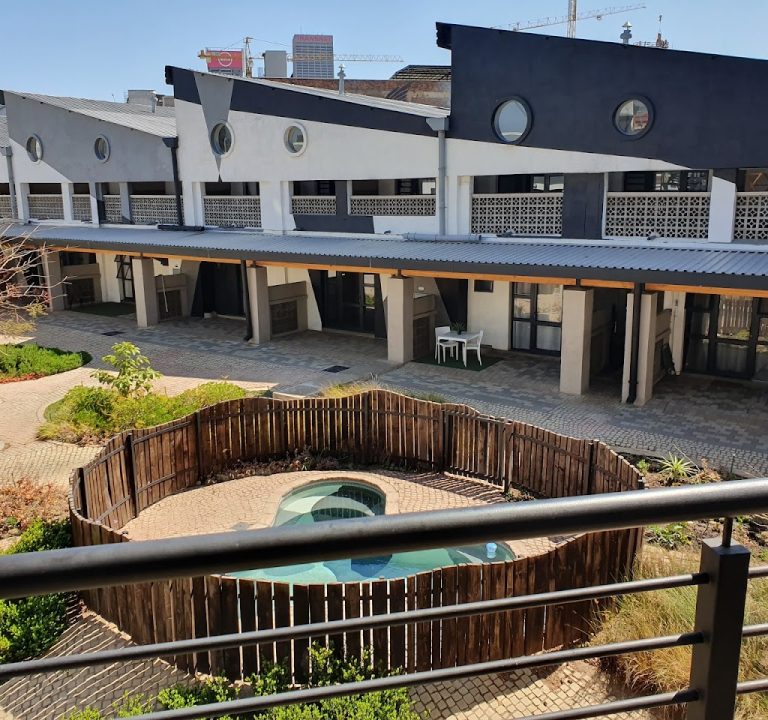
Modern guesthouses and boutique hotels in Johannesburg commonly offer comfortable beds with quality linens, air conditioning or fans for the warm months, and reliable housekeeping. Look for en-suite bathrooms, privacy, and comfortable workspaces if you need to check in with work. A shared or private lounge area, garden or outdoor seating adds a welcome touch after a day of exploring. Breakfast can range from continental light bites to cooked options, while some properties provide evening meals or in-room dining. Laundry facilities, secure parking, and 24-hour reception or on-site staff can make a big difference for longer stays.
Transport and getting around
Johannesburg is a city of fast roads and wide suburbs. For visitors prioritising convenience, staying near a major hub or with easy access to the Gautrain network is advantageous. The Gautrain connects to Pretoria, and the airport precinct, making day trips to surrounding areas straightforward. Car hire remains a common choice for exploring beyond the city, including nearby historical sites, art districts, and nature reserves. If you plan to use taxis or rideshare services, verify the provider’s safety practices and the expected wait times in the area you are staying.
Best time to visit
The city experiences warm summers and mild winters. Peak summer (roughly November to March) can be lively with cultural festivals and outdoor markets, but expect higher rainfall on occasional days. Winter (June to August) brings cooler evenings, which is perfect for dining out and enjoying indoor venues. Spring and autumn offer comfortable temperatures for walking around the city’s outdoor streetscapes, markets and green spaces. If your visit centres on specific events or exhibitions, check the local calendars ahead of booking to align your plans with available accommodation and dining reservations.
Experience ideas, attractions and dining themes (in general terms)
Johannesburg offers a range of experiences that suit varied interests. Museums and galleries provide insights into South Africa’s history, urban redevelopment and contemporary art. Parks and botanical spaces offer a respite from city pace, while markets showcase local crafts and street-food flavours. In terms of dining, expect a mix of international influences and modern South African cuisine, with plenty of casual eateries, cafés and fine-dining options in many districts. For a relaxed afternoon, you can enjoy a stroll through design-led neighbourhoods with unique shops, followed by a coffee or small plates at a trendy venue.
Practical tips for a smoother stay
- Book with flexible cancellation where possible, especially if your plans may change.
- Confirm proximity to your planned activities and whether the property offers transport assistance or recommended routes.
- Pack comfortable footwear for urban exploration and lightweight clothing for warmer days.
- Keep security in mind: use well-reviewed properties and use trusted transport options, particularly after dark.
- Check if the accommodation provides maps or local guides to help plan excursions and city walks.
Finally, when planning a stay in Johannesburg, consider a balance between convenient access to city highlights and the right level of comfort for your needs. A well-chosen base can enhance your ability to explore the city’s diverse neighbourhoods, enjoy its culinary scene, and discover the surrounding landscapes of Gauteng. For further inspiration and planning resources, you can visit reputable travel or tourism sites that cover Johannesburg’s accommodation and visitor experiences, and always review recent guest feedback to get a sense of how current guests are enjoying the area.