Johannesburg: Where to Stay and How to Make the Most of Your Visit
Johannesburg, Gauteng’s bustling heart, offers a mix of modern hotel chains, stylish guesthouses, and self‑catering options that appeal to diverse travellers. When planning a stay, it helps to think about neighbourhoods that suit your vibe, from high‑end business hubs to creative enclaves and family‑friendly areas. The city is well connected by a regional rail network and an expanding network of streets for taxi and rideshare services, making it relatively easy to base yourself in one area and venture out to see the sights.
Areas to consider include Sandton for a polished, cosmopolitan base with shopping and dining, Rosebank for a mix of markets, galleries and transit access, and Braamfontein or Maboneng for a more upbeat, artsy atmosphere with plenty of eateries and rooftop spaces. For a neighbourhood with history and culture, consider Sophiatown or Newtown, which often offer guesthouses and boutique stays close to museums and theatres. If you’re visiting with family or prefer quieter accommodation, northern suburbs such as Fourways or Randburg can provide self‑catering apartments and properties with parking and kitchen facilities.
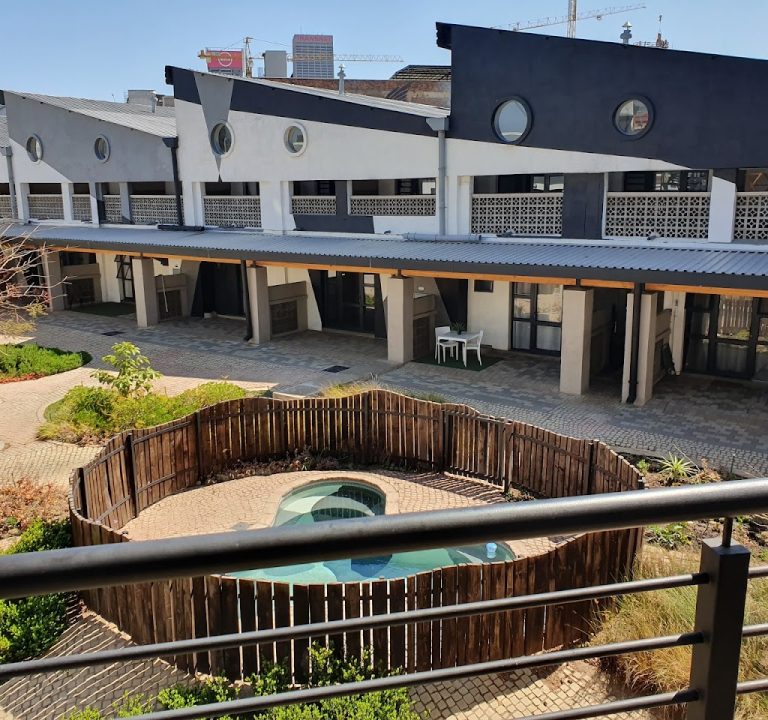
Typical amenities to look for when booking include reliable Wi‑Fi, 24‑hour reception or on‑site management, secure parking, and breakfast options if you’d like a simple start to the day. Many holiday apartments and guesthouses offer self‑catering facilities, which can be convenient for longer stays or groups. Public spaces such as lounges, quiet conservatories, or outdoor terraces are a bonus for relaxing after a day of exploring. While planning, check whether your hosts or accommodation provide airport transfers, or guidance on convenient transport links and safe travel routes around the city.
Transport in Johannesburg is generally straightforward but varies by neighbourhood. The Gautrain provides fast connections between Pretoria, Johannesburg Park Station, and the OR Tambo International Airport, which is useful for day trips or arrivals from other parts of the country. For local travel, rideshare apps and licensed taxi operators are widely used; some accommodation options offer secure parking if you’re driving. If you plan to venture to popular attractions in Soweto, the Cradle of Humankind, or the city’s northern suburbs, you’ll want to consider a practical plan for getting around, especially in peak traffic hours.
The best time to visit Johannesburg is during the drier winter months (late autumn to early spring) when days are typically sunny and comfortable for outdoor exploration. Summer can be lively, with occasional afternoon showers and vibrant markets, but it can also bring higher humidity. Spring and autumn offer pleasant temperatures for walking tours, city viewpoints, and neighbourhood strolls. If you’re visiting for a specific event or festival, check the calendar in advance and book accommodation near the venue to minimise travel times.
When selecting a place to stay, consider proximity to attractions and dining options, as well as the availability of flexible cancellation policies. For travellers keen on culture, staying near museums, theatres, and historical sites makes evenings easy and safe. If you’re hoping to enjoy local cuisine, choose districts with a concentration of cafés and restaurants within walking distance, or consider stays that include kitchen facilities so you can prepare light meals after returning from long days out.
In terms of attractions and experiences, Johannesburg offers a broad spectrum. You can learn about the country’s complex history at renowned museums and memorial sites, explore art districts and markets, or enjoy city views from urban lookout points. Family‑friendly options often combine educational experiences with interactive exhibits and outdoor spaces. For a relaxed day, you might favour parks and gardens, or a guided heritage walk that offers insights into the city’s diverse communities. Visitors frequently combine a mix of cultural outings with light shopping and casual dining to sample local flavours in a range of atmospheres.
Dining in Johannesburg ranges from casual eateries serving hearty, comforting fare to more refined venues focusing on modern and international dishes. Many districts boast a lively hospitality scene with venues that prioritise fresh ingredients and seasonal menus. Look for places with welcoming spaces, good value wine selections, and options for vegetarians and meat lovers alike. If you’re staying in a self‑catering apartment, you’ll still have the chance to enjoy a relaxed breakfast or a sunset meal on a balcony after a day out.
Practical tips to help you plan a smooth stay:
- Check the exact neighbourhood and its access to transport and safety considerations.
- Confirm what is included in the booking, such as breakfast, housekeeping, parking, or kitchen facilities.
- Review cancellation terms and any minimum‑stay requirements, especially during peak periods.
- Identify a couple of dependable transport options ahead of time and keep a local map handy.
- Bring a light rain jacket for sudden showers and comfortable walking shoes for varied terrain.
For further inspiration and planning resources, you can explore official tourism information and reputable travel guides to tailor your itinerary, from cultural stops to culinary discoveries. Whether you’re seeking a stylish urban stay, a boutique experience, or a spacious apartment for a family break, Johannesburg offers a range of accommodation types that can adapt to different itineraries and budgets. A well‑chosen base can make the city’s vast array of sights, experiences, and eateries feel conveniently within reach, inviting you to return to the same place after each day of exploration.