Gqeberha: Accommodation, Attractions and Dining for a Memorable Eastern Cape Stay
Gqeberha, formerly Port Elizabeth, sits on the eastern edge of the Eastern Cape and blends coastal scenery with a lively urban culture. For travellers planning a stay, the city offers a range of accommodation styles—from guest houses and boutique B&Bs to modern hotels and family-friendly lodges. A well‑considered choice of district, together with a sensible plan for transport and activities, can make the most of your visit to this coastal gateway town.
Areas to consider when booking your stay included in central and coastal neighbourhoods, each with its own character and convenience. The central core provides easy access to business zones, museums and a number of dining options, while the coastal corridors offer proximity to beaches, promenades and sea breezes. Family-friendly stays often cluster near the beachfront and popular holiday stretches, where amenities like on‑site parking, breakfast options and secure access are common. If you’re seeking a calmer base with quick routes to nature reserves, consider suburbs a short drive from the city centre, where guest houses and guest-friendly hotels frequently offer tranquil gardens and guest lounge spaces.
Typical amenities to look for when booking include a comfortable ensuite room, reliable Wi‑Fi, a hearty breakfast offering local flavours, private or secure parking, and thoughtful extras such as late‑check‑out options or luggage storage. For longer visits, a guest house with a self‑catering kitchenette or a small lounge area can make a stay feel more relaxed. If you travel by car, confirm on‑site or nearby parking, and check access points for easy loading and unloading. For those relying on public transport, choose properties within reasonable reach of main bus routes or taxi services. Some guest houses also provide guests with information packs on local transport options and day‑trip itineraries, which can be quite helpful for first‑time visitors.
Practical planning tips help you balance time between city sights and coastal downtime. The city’s beaches, such as those along the eastern seaboard, are usually best enjoyed in warmer months, but proper sun protection and coastal safety remain important year‑round. If you’re aiming to combine a city break with wildlife encounters, consider day trips to nearby reserves where self‑drive routes and guided tours are popular. Pack layers for changing coastal weather, and bring comfortable walking shoes for exploring promenades, boardwalks and market lanes. A light evening wardrobe is useful for dining out or enjoying a cocktail at a hotel bar after sunset by the sea.
When to visit: the Southern African climate generally trends towards warm, dry winters and wetter summers. The shoulder seasons—late spring and early autumn—often offer pleasant temperatures, fewer crowds and comfortable conditions for sightseeing. Summer can bring lively beach ambience and longer daylight hours, but also occasional rain. If wildlife viewing is on your list, checking local seasonal patterns for reserves and coastal habitats can help you time your trip for best chance of encounters, while still allowing time to enjoy city galleries, markets and harbour views.
Attractions and experiences in general terms include enjoying coastal walks and beaches, visiting historic sites and public spaces with city views, and exploring markets and waterfront promenades. Cultural venues, museums and galleries provide insight into the region’s heritage, while the harbourfront and boardwalks offer a relaxed setting for sunset strolls and casual meals. For a broader day out, the surrounding Eastern Cape countryside features nature reserves and scenic drives that are well-suited to family trips or personalised itineraries.
Dining and nightlife options in Gqeberha cover a spectrum of informal cafés, family‑friendly eateries and stylish dining rooms. Many venues place an emphasis on fresh seafood, local produce and international flavours. When planning dinners, look for venues with outdoor seating or sea‑view terraces to make the most of the coastal setting. If you prefer a laid‑back meal, a guest house or hotel with an in‑house restaurant or nearby casual bistros can simplify evenings after long days of exploration.
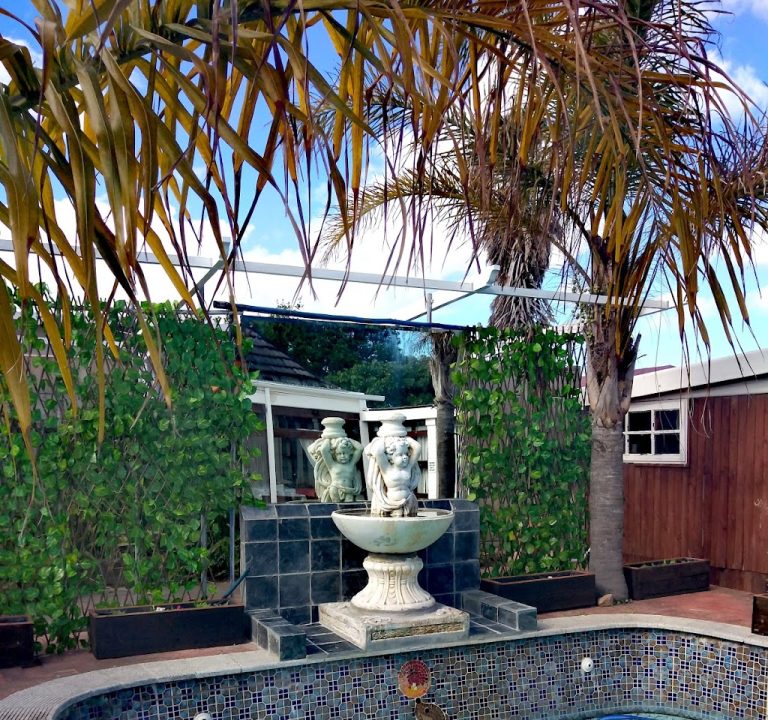
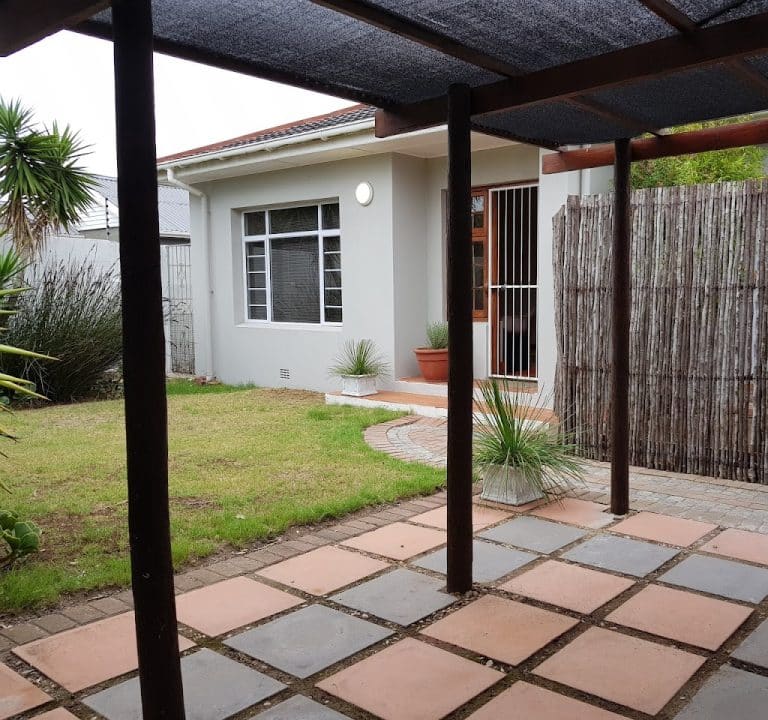
Accommodation examples in the area often include guest houses and boutique stays that blend comfort with local character. For visitors seeking a personalised approach, independent guest houses sometimes offer attentive hosts who can tailor recommendations for day trips, shopping districts and casual cafés. One potential option to consider is M & D Accommodation, which sits within the guest house category and may provide a practical base for exploring the city and its surrounds. Always verify current services, room types and policies directly with the property before booking.
To plan your stay effectively, assemble a flexible itinerary that balances time between key sights, beach moments and downtime. Download a map or keep a digital version handy to navigate efficiently between suburbs, beaches and dining districts. When you arrive, a brief priorities list helps you settle quicker: identify a couple of must‑see attractions, a couple of preferred dining options, and a few pleasant places for a coastal stroll. Finally, check cancellation policies and payment terms in advance, as these details can vary between guest houses, independent hotels and larger chains.
- Areas to consider: central business district, Humewood, Walmer, Summerstrand and coastal suburbs.
- Booking considerations: parking, breakfast, Wi‑Fi reliability, laundry, and late‑check‑out options.
- Transport tips: car hire, rideshares, local taxi services, and proximity to main routes.
- Seasonal planning: best periods for beach, wildlife, and city exploration; pack for changeable coastal weather.