Accommodation and Experiences in Gqeberha, Eastern Cape: A Practical Guide to Planning Your Stay
Gqeberha, formerly Port Elizabeth, sits on the Eastern Cape coast and offers a refreshing blend of beachside relaxation, city convenience, and easy access to the region’s wildlife and natural landscapes. When planning a visit, consider a mix of stays in different neighbourhoods to balance easy beach access with central convenience. Options include traditional guest houses, boutique B&Bs, mid-range hotels, and self‑catering apartments. Each type tends to prioritise friendly service, comfortable rooms, and easy access to the city’s core sights and beaches.
For the best customer experience, look for properties with clear transport information, flexible booking policies, and guest reviews that reference cleanliness and friendly staff. If you value a homely atmosphere, a guest house or a boutique B&B can offer personalised touches, while standard hotels may provide 24-hour reception, on-site dining, and reliable housekeeping. When selecting a location, think in terms of proximity to the main beaches—Humewood and Summerstrand are popular with visitors—as well as easy access to the city’s commercial strips and the airport road.
Areas to consider include:
- Summerstrand: A popular coastal area with beachfront access, family‑friendly amenities, and a range of breakfast-friendly guest houses and hotels. This is ideal if you want morning walks on the shore and a relaxed pace.
- Humewood: Close to beaches and scenic headlands, with a mix of boutique guest properties and mid-range stays. It’s a convenient base for exploring the coast and the harbour precinct.
- Newton Park and the City Centre: Great for travellers seeking easy access to shops, markets, and cultural sites. Accommodation here tends to be practical for longer stays or those who prioritise walking or short drives to attractions.
- Kragga Park and surrounding suburbs: Often quieter, suitable for travellers seeking a peaceful retreat with straightforward access to the national road network for day trips.
What to look for when booking: robust Wi‑Fi, reliable hot water, and clear cancellation policies are essential for planning. Check whether breakfast is included or available nearby, and whether the property offers self-catering facilities or a kitchenette. If you rely on transport, confirm parking options or proximity to public transport. For families, confirm room layouts and extra beds; for solo travellers, a secure and well-lit entrance and reception area can enhance safety and comfort.
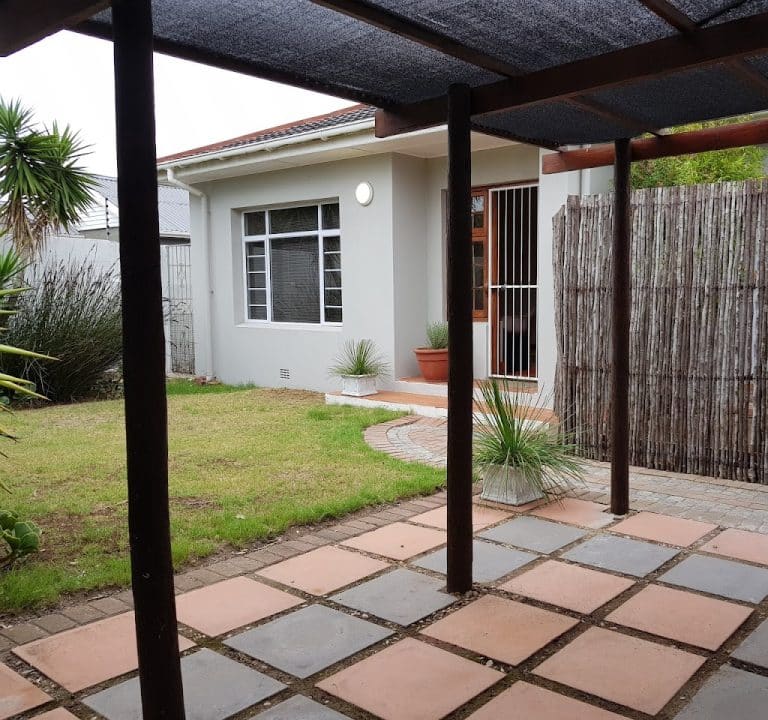
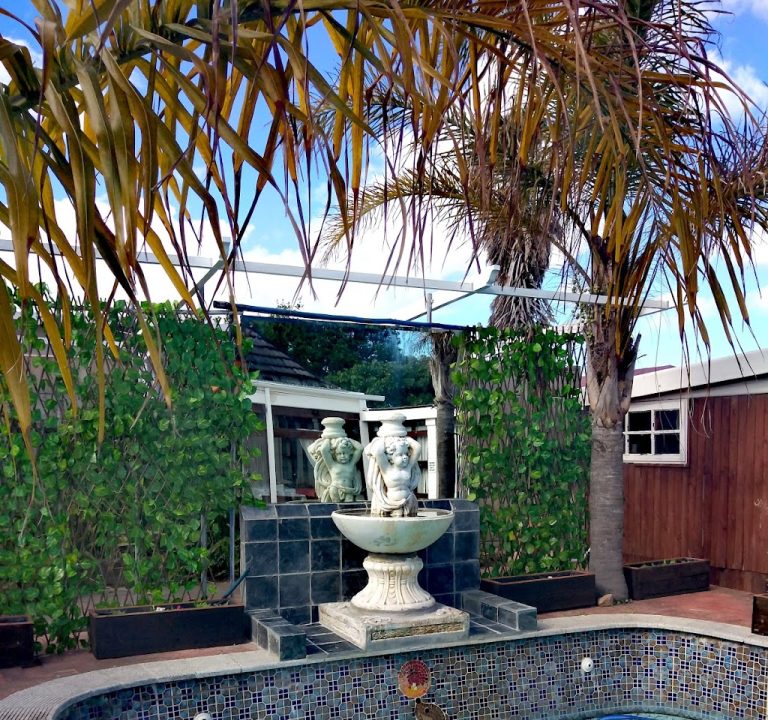
Typical amenities to expect include: en‑suite or dedicated bathrooms, daily housekeeping or mid-cleaning services, comfortable bedding, coffee and tea provisions, and a fridge or minibar in some rooms. Many guest houses in Gqeberha also provide communal lounges, outdoor spaces for sunbathing or braais, and secure parking. If you value sustainable practices, look for properties that mention energy‑efficient lighting, water‑saving measures, or recycling initiatives. Transport arrangements vary; some guest houses offer airport transfers or shuttle services for a surcharge, while others provide helpful guidance on local taxi and ride‑hailing options.
Best time to visit depends on your priorities. The coastal climate yields warm, dry summers and mild winters, with February to April often offering pleasant temperatures for beach days and outdoor activities. Winter periods may be cooler with a higher chance of rain, but the region’s natural beauty—especially along the coastline and beyond the city limits—remains appealing year‑round. If your trip includes wildlife viewing or a broader itinerary across the Eastern Cape, plan some long‑distance day trips to nearby reserves or coastal towns, allowing you to savour a broader mix of landscapes.
Practical planning tips for a smooth stay:
- Book in advance during peak seasons and school holidays to secure preferred areas and rooms with views or direct access to facilities.
- Factor in travel time to major sights; while Gqeberha’s coast is compact, traffic and local routes can affect journey times.
- Pack for variable weather: a light jacket for evenings and a sunhat for daytime can cover most conditions.
- Carry a small amount of local currency for markets and small vendors; many places accept cards, but not all can process card payments everywhere.
- Respect local guidelines on safety and etiquette, especially in busy tourist areas and during evenings out.
- Seek recommendations from your host or property manager for dining options, as many independent restaurants offer regional dishes and seasonal menus that showcase local produce.
Dining and evenings out in Gqeberha offer a range of experiences, from casual seafood eateries near the harbour to contemporary bistros along tree-lined streets. While it is wise to avoid making assumptions about specific establishments, most visitors find that the city’s hospitality scene emphasises friendly service and wholesome, seasonal cooking. For a complete experience, pair your stay with coastal walks, a morning visit to a local craft or farmers’ market, and a relaxed day at the beach or harbour precinct. A well‑chosen base in one of the city’s appealing neighbourhoods will help you balance downtime with easy access to the area’s natural and cultural attractions.
In summary, planning a stay in Gqeberha benefits from choosing accommodation that matches your pace—whether you want a quiet seaside feel, a central base for exploration, or a family‑friendly option with convenient access to beaches and parks. With thoughtful consideration of location, amenities, and transport, you can enjoy a rewarding visit to this coastal Eastern Cape destination. If you’re curious about specific guest houses or boutique stays, you can explore official hotel or tourism websites for current listings and practical travel guidance.