Accommodation and Attractions in Gqeberha, Eastern Cape: Where to Stay and What to Do
Gqeberha, known for its coastal charm and proximity to the wider Eastern Cape, offers a diverse range of places to stay, from intimate guest houses to comfortable hotels and lodges. When planning a visit, consider the neighbourhoods that best suit your interests, the level of hassle you’re prepared for with transport, and the amenities that will make your trip effortless and enjoyable.
Fronting the bay and the city’s bustling beachfront, neighbourhoods close to the ocean are ideal for walkers and early-risers who want easy access to sunrise views, seafront promenades, and sunset sessions along the coast. The city centre and adjacent suburban areas provide convenient access to business facilities, museums, and a wider selection of dining and nightlife options, while more family-friendly suburbs offer quiet streets, parks, and easy drives to nearby coastal towns and nature reserves. Whether you’re seeking stylish boutique stays, reliable mid-range hotels, or a cosy guest house with a personal touch, there are properties to suit most budgets and preferences.
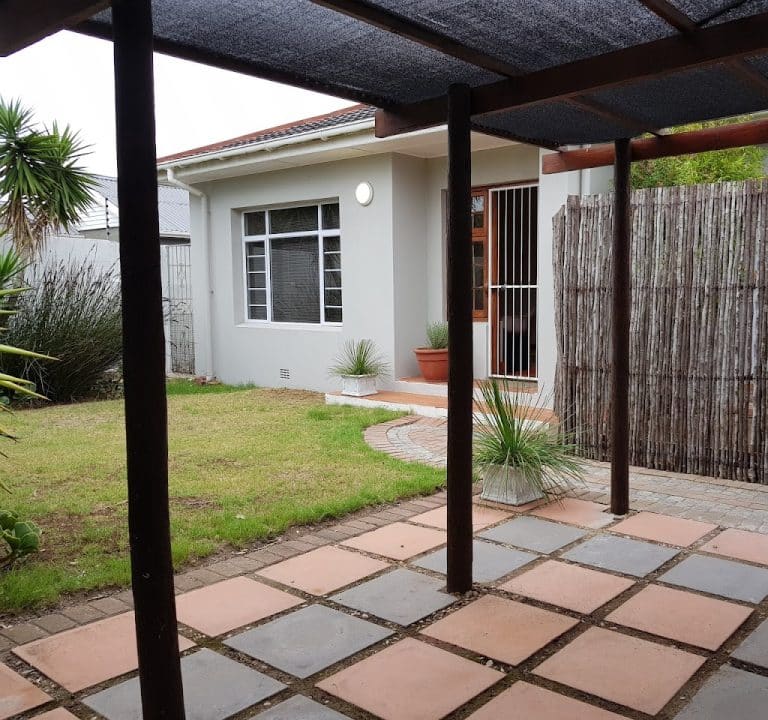
One well-regarded option, for example, is a guest house that positions itself as a home away from home for travellers. These properties commonly feature en-suite rooms, free Wi‑Fi, off-street parking, and light meals or breakfast included in the rate. Booking platforms often highlight the presence of private entrances, secure parking, and on-site facilities such as a guest lounge or garden space, all of which contribute to a relaxed stay after a day of exploring.
Why choose a guest house or small boutique hotel? The personalised service and sense of place are its highlights. You’re likely to receive local insights into must-visit eateries, hidden beaches, and day trips to the surrounding forests and coastal towns. If you value a tailored experience over anonymity, these options can offer thoughtful touches—curated breakfast choices, cosy lounges, or recommendations tailored to your interests.
For those who prefer more predictability and a broad range of facilities, larger hotels and lodges present the familiar, reliable bed, breakfast, or full-board options. They typically provide 24-hour reception, on-site dining, conference facilities, and sometimes wellness amenities such as a pool or spa. If you are travelling with family or a group, look for family rooms, connecting rooms, or suites with extra space, as well as convenient access to parking and public transport links.
Transport and getting around are practical considerations. Gqeberha is well connected by road to the surrounding coastal towns and inland routes. Within the city, staying close to major arterials or near a car hire service can be advantageous, especially if you plan to explore beyond the beachfront and into the nearby game reserves or coastal towns. If you prefer not to drive, check access to reliable taxi or ride-hailing options, as well as proximity to the main bus routes or railway stations.
Best time to visit typically aligns with pleasant weather and quieter crowds. Spring and autumn offer mild temperatures, comfortable outdoor activities, and a lower chance of peak-season congestion. Summer brings warmer days and coastal activities, while winter can be cooler but still accommodate city sightseeing and museum visits. If you’re aiming to combine nature and culture, plan for at least a few days to balance city-based experiences with day trips along the coast or inland reserves.
Facilities commonly sought by visitors include reliable Wi‑Fi, air conditioning or good ventilation, and private or dedicated parking. A well-located breakfast room or café area is a welcome amenity for those who want to start the day with a quick, restful meal before heading out to explore. In reviews, guests often highlight the cleanliness of rooms, friendliness of staff, and the convenience of the property’s location relative to beaches, markets, and cultural sites.
Attractions and experiences in and around Gqeberha tend to reflect the region’s coastal identity and natural beauty. Visitors generally consider enjoying seaside promenades, beach walks, and scenic drives along the coast. Cultural experiences might include galleries, local markets, and museums that offer context about maritime heritage and regional life. For dining, you’ll find a spectrum of options from casual eateries to more contemporary restaurants, often with menus that showcase coastal flavours and ingredients sourced from nearby suppliers. Restaurant experiences are best approached with a flexible mindset—many venues offer casual lunches and relaxed dinners, which can be ideal after a day of sightseeing.
Practical tips to make the most of your stay:
- Read recent guest reviews to gauge consistency in cleanliness, service, and practical details such as parking and check-in procedures.
- Verify what is included in the rate (breakfast, parking, access to facilities) to avoid unexpected costs.
- Ask about transport options from the property to the main attractions, and whether an airport or town transfer can be arranged.
- Book early for popular periods, especially if you require specific room types or proximity to the waterfront.
- Pack appropriate layers for cooler evenings by the coast and a lightweight rain jacket for changing weather.
If you’re considering staying in the area with a hands-on, friendly approach, you may wish to explore a guest house option such as 39 On Nile, a property that emphasises guest comfort and easy access to central amenities. For more information and to view availability, you can visit their website at 39 On Nile Guest House.