Staying in Gqeberha: where to stay and what to do
Gqeberha, formerly Port Elizabeth, sits along the eastern Cape’s coastline and offers a varied mix of accommodation options, from intimate guest houses to contemporary hotels and charmed lodges. When planning a stay, think about what you want most from your visit: a beach-focused break, easy access to wildlife and nature, or a central base for exploring the wider Eastern Cape. The city itself provides a friendly, walkable core with surrounding neighbourhoods that each offer a distinct flavour.
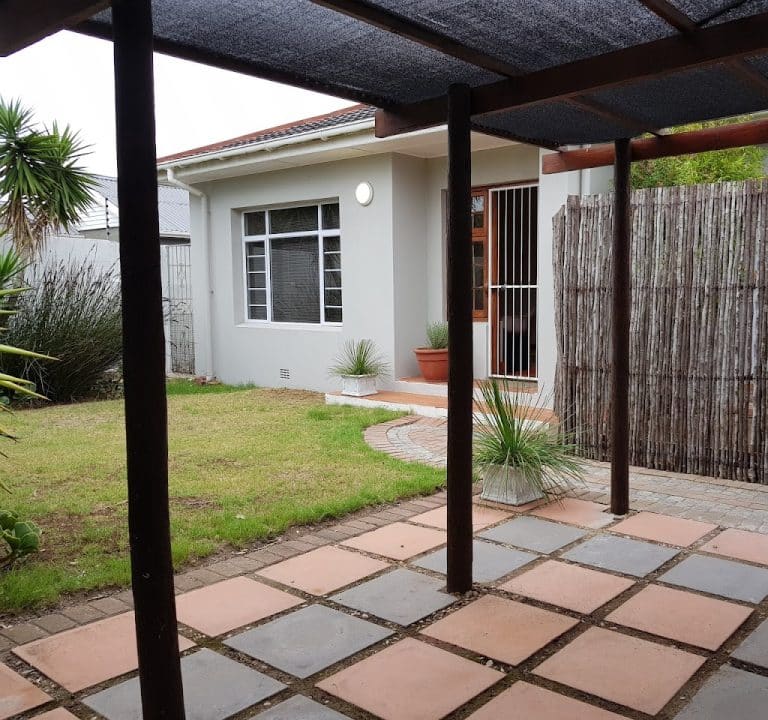
For travellers seeking a personal, home-from-home atmosphere, guest houses such as Hunter’s Lodge demonstrate how a well-run, smaller property can balance comfort with local character. Expect thoughtful touches, well-kept rooms and a sense of place that larger chains sometimes struggle to convey. If your plan is a longer visit, a guest house can be a convenient hub for day trips as well as a restful retreat after busy days exploring the coast and countryside.
Because Gqeberha is spread along the coast, choosing your base matters for time-saving access and the kinds of experiences you’ll have. Central, beachfront and residential-adjacent areas each offer different pros: central neighbourhoods are convenient for business and dining options; beachfront locations prioritise sea views and easy access to promenades; and calm residential pockets can be excellent for families or leisurely stays.
Key factors to consider when booking include the following:
- Proximity to the activities you want, whether that’s the beachfront, the city’s markets, or nature reserves.
- Access to reliable transport or easy taxi and rideshare options; if you’re renting a car, check on-site parking availability.
- Guest house style and inclusions, such as breakfast service, daily housekeeping, and whether meals can be arranged locally.
- Guest reviews and ratings that reflect practical aspects like soundproofing, comfort of bedding, and responsiveness of hosts.
- Flexibility with check-in/check-out times, especially if you’re catching early flights or planning day trips.
Typical amenities to look for include secure parking, reliable Wi‑Fi, comfortable en-suite bathrooms, and a welcoming common area where guests can relax or socialise. A well-run establishment may also offer discretionary extras such as travel advice, library corners with books on the region, and information on local eateries and activities. Consider whether a property provides a small kitchenette or tea and coffee making facilities if you prefer home comforts in the morning or after late returns from outings.
Transport in Gqeberha is practical, with a network of main roads and a regional airport a short drive away from central areas. If you’re not hiring a car, look for accommodation with easy access to taxis or rideshare services, and proximity to bus routes or rail links if you’re planning day trips to natural landmarks or nearby towns. The city is often visited as part of a broader Eastern Cape itinerary, so think about how your stay fits with other stops—further afield you’ll find rugged coastlines, nature reserves and wildlife experiences that are a short drive from the city’s heart.
The best time to visit depends on what you’re after. Summer (December to February) brings warm days suitable for seaside activities and outdoor dining, while autumn (March to May) and spring (September to November) offer comfortable weather for exploring the coastal paths and parks. Winter can be milder in the city compared with inland regions, making it a good shoulder-season choice for fewer crowds and lower rates. If you’re aiming for beach days, consider tides and wind patterns, and plan outdoor activities accordingly.
When planning excursions, keep an eye on practicalities: some coastal paths and nature reserves operate on seasonal schedules, and driving times can be longer than expected if you include scenic stops. A well-planned itinerary might combine a relaxed base with a couple of day trips to natural areas or coastal towns, balanced with time to enjoy local cafés, markets and casual eateries. While restaurant scenes vary, the city generally offers a range from seafood-focused options to family-friendly bistros and more contemporary venues. Rather than chasing specific names, look for places with fresh, seasonal menus and good reviews for service and value. Many venues are also happy to accommodate dietary needs with advance notice.
For those seeking a practical plan, a sample approach could be: base yourself for a few nights in a comfortable guest house near the beachfront for morning walks along the shore and sunset views; spend a day visiting nearby nature reserves or coastal viewpoints; try a couple of evenings exploring markets, casual eateries and neighbourhood cafés; and reserve a day for a longer coastal drive or a visit to a nearby town. In all cases, pre-booking accommodation for peak travel periods is advisable, and it’s worth confirming what is included in your rate—such as breakfast, parking or late check-in options—so you can manage expectations and keep the focus on enjoying your stay.
Finally, practical tips: pack layers for changes in sea breeze, bring comfortable footwear for walks and uneven surfaces, and keep a small bag for day trips ready to go. Check the weather forecast ahead of each activity and allow for flexibility in your plans. With careful planning, Gqeberha offers a relaxed base with ample opportunities to enjoy coastline scenery, neighbourhood charm, and the hospitality that makes a stay memorable.