Cape Town: Accommodation and Experiences for a well-planned stay
Cape Town blends dramatic scenery with a diverse hospitality scene, making it a superb destination for travellers who want comfort, character and easy access to renowned attractions. When planning a stay, it helps to think in terms of neighbourhoods, transport options and the rhythm of the city. Whether you favour a chic boutique hotel, a family-friendly guesthouse, a self-catering villa or a contemporary apartment, there are accommodation options to suit most styles and budgets.
Begin by weighing what matters most for your trip. Do you prioritise proximity to the city centre and Table Mountain, or would you prefer a coastal setting with sea views? South Africa’s Cape Town climate is characterised by dry, sunny summers and mild winters, but conditions can be changeable on the Atlantic coast, so packing layers is sensible. The best time to visit depends on what you want to do: summer sunbathing and outdoor dining, winter wildlife watching, or shoulder-season travel with fewer crowds and more straightforward availability in popular properties.
Accommodation types range from intimate B&Bs and guesthouses with personalised service to larger hotels offering facilities such as on-site dining, fitness rooms, pools and spa services. A growing number of pet-friendly and family-friendly options are available, as are stylish self-catering apartments and villas that cater to longer stays. When booking, consider a few practical points to ensure comfort and minimise stress during peak periods:
Look for rooms or villas with reliable air conditioning or heating, especially if you visit in late spring or summer. Check access to facilities such as private parking, a reliable Wi-Fi connection, and clear information about housekeeping or breakfast offerings. If you plan to walk or use public transport, ask about transport links, proximity to major routes, and whether a hotel offers shuttle services or curated tours. For self-catering stays, verify the kitchen setup, including utensils, cookware and a practical grocery shopping plan nearby.
Smart planning also means thinking about the day-to-day rhythm of your visit. The V&A Waterfront offers a scenic base with easy access to harbour views, eateries and shopping, while the city centre and the historic Bo-Kaap area are perfect for cultural strolls and easy access to museums and galleries. If coastal scenery is high on your list, Camps Bay and Clifton provide sparkling beaches and sunset views, though property prices and demand may reflect their popularity. For wine lovers and families seeking a quieter pace, Constantia Valley offers leafy estates, scenic drives and relaxed dining options nearby.
Transport in Cape Town is varied and practical. Many travellers rely on rental cars to explore beyond the city perimeter, especially for day trips to the Cape Peninsula, Cape Point or the Constantia wine route. If you plan to stay mainly in central areas, you can get by with Uber or licensed taxis, and many hotels offer convenient shuttle services or partnerships with local providers. Should you rely on public transport, be aware that the city centre area is walkable, but some routes are limited on weekends or late at night. Always confirm drop-off points and operating hours for any tours or cultural experiences you book in advance.
In terms of activities, Cape Town’s agenda is broad and appealing to many travellers. Natural highlights include the iconic Table Mountain and the scenic coastline, with viewpoints that reward patient photographers. The nearby Cape Peninsula offers dramatic scenery, penguin colonies at Boulders Beach, and easy access to rugged coastal routes. Cultural experiences unfold in districts such as the Company’s Garden, the historic centre, and the colourful Bo-Kaap overlooking the city. For families and food lovers, the city’s markets, coastal eateries and bistros provide opportunities to sample produce, seafood and international flavours in relaxed settings. When choosing experiences, consider booking a guided hike or a small-group tour that prioritises safety, sustainability and responsible tourism practices.
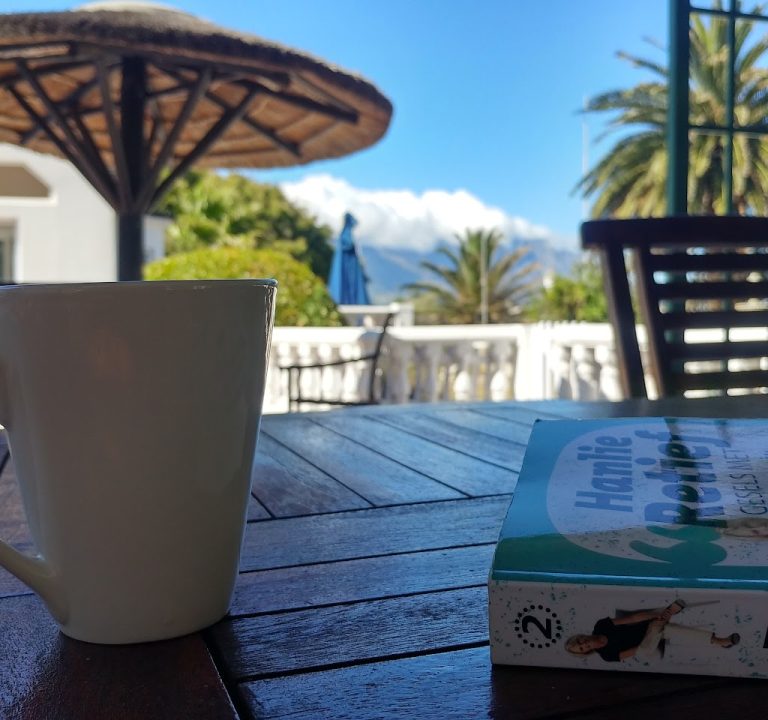
Restaurants across Cape Town range from contemporary bistros to family-friendly eateries and refined dining rooms. A balance of casual eateries and more formal dining is typical, with menus often emphasising seafood, local produce, and seasonal ingredients. If you enjoy scenic dining, many establishments offer terrace seating with views of the harbour, mountains, or ocean. For those who prefer a more relaxed evening, there are plenty of casual spots near waterfronts and in trendy neighbourhoods that pair good food with a comfortable ambience.
To help you organise your stay, here is a compact guide to areas to consider staying in, along with what they tend to offer:
- City Bowl and V&A Waterfront – central access to dining, museums, nightlife, and easy transport links.
- Bo-Kaap and De Waterkant – characterful streets, close to the waterfront and a short walk to the city centre.
- Camps Bay and Clifton – dramatic beaches and cosmopolitan dining, ideal for a resort-like coastal break.
- Constantia – leafy, wine-country vibes with quieter streets and easy access to nature trails and fine dining.
- Rondebosch and Newlands – family-friendly areas with easy routes to the university and southern suburbs.
When selecting accommodation, consider the type of stay you want, the cadence of your days, and how much your itinerary will revolve around food, culture and nature. A well-chosen base can shorten transfer times, maximise daylight for exploring, and provide a comfortable retreat after mornings spent on the peaks or along the coast. For inspiration and current options, reputable travel sites and regional tourism portals offer practical details about locations, amenities, and accessibility, while hotel and guesthouse websites often publish policy information, room layouts and seasonal packages. With thoughtful planning, a stay in Cape Town can be a memorable blend of comfort, convenience and invigorating experiences.