Accommodating Cape Town: where to stay, what to plan, and how to make the most of your visit
Cape Town offers a diverse mix of places to stay, from stylish city-centre apartments to sunlit villas perched above the Atlantic. When planning a stay, consider what kind of experience you want: a buzzing urban base with easy access to history and cuisine, a beachside retreat with dramatic scenery, or a tranquil vineyard break within reach of the city’s highlights. Each neighbourhood has its own flavour and amenities, so a little advance research can shape a smoother itinerary and maximise value.
Areas to consider include the City Bowl and the V&A Waterfront for convenience and nightlife, the Atlantic Seaboard for clifftop views and beaches, Constantia for leafy tranquillity and wine, and the Southern Suburbs for proximity to Kirstenbosch and canyon-adjacent hiking. If you are travelling with families, a self-catering villa or apartment in Green Point or Camps Bay can offer space and flexibility, while couples might prefer chic boutique hotels or guesthouses with personalised service in the city’s historic districts.
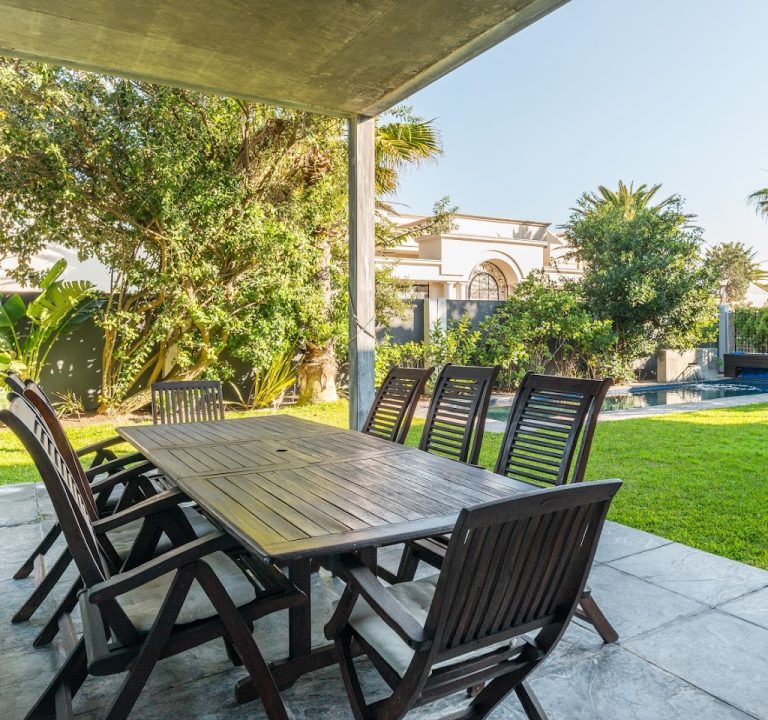
When booking, look for clear room descriptions and a transparent booking policy. Key amenities to prioritise include reliable Wi‑Fi, a well-equipped kitchenette or breakfast option, secure parking, and a comfortable workspace if you need to combine work with leisure. A swimming pool, outdoor seating, and stunning views can turn a stay into a memorable experience, especially in a city famed for its scenery. Check whether the property offers access to local transport or easy taxi links, and verify nearby supermarkets, cafés, and dining options to reduce transport time during your stay.
Transport in Cape Town is manageable with a car or ride-hailing services, but planning around peak traffic hours can save time. The MyCiTi bus network provides city routes, while Uber and Bolt operate in the region. If you are based near the Atlantic Seaboard, consider a base with parking and quick access to scenic routes along the coast. For day trips to places such as Table Mountain or the Cape Peninsula, a car can be the most convenient option, though guided tours are also a popular and hassle-free choice for visitors short on time.
Best time to visit Cape Town depends on your preferences. The peak tourist season runs from late spring to early autumn (roughly October to March), when harbour breezes and longer daylight hours complement outdoor activities. For wildlife and quieter beaches, consider shoulder seasons like April or September. Winter brings cooler, wetter weather but still offers dramatic coastal scenery and fewer crowds, plus excellent conditions for indoor dining and exploring museums and markets.
Accommodation styles vary, and many properties convey a strong sense of local character. A villa such as Sunset Links Villa can offer private living space with kitchen facilities, contemporary design, and the option to self-cater or arrange private chef services. Villas in coastal areas often feature terraces, panoramic views, and easy access to beaches or nature trails, making them a good match for travellers seeking privacy and flexibility. In contrast, guesthouses and boutique hotels emphasise personal service, breakfast routines, and curated experiences that showcase Cape Town’s culture and cuisine.
While in Cape Town, plan to balance iconic sights with relaxed neighbourhood explorations. Iconic attractions include cable-car or hiking routes up Table Mountain for sweeping city and ocean views, the historic Robben Island tour, and the vibrant waterfront precinct with markets and museums. Nature lovers can seek out Kirstenbosch National Botanical Garden, the Constantia wine route, and the dramatic coastal drive to Cape Point. For families and food lovers, the city’s markets, casual eateries, and fine-dining restaurants offer a wide spectrum of tastes and experiences without needing to travel far from your base.
Practical tips to smooth your trip:
- Book early for peak seasons and consider non-central neighbourhoods for better value and space.
- Read recent guest reviews focusing on cleanliness, reliability of wifi, and the responsiveness of hosts or property managers.
- Ask about parking arrangements and access to public transport if you do not plan to hire a car.
- Check for on-site safety features such as secure entry, gates, and proper lighting, especially if staying in apartment complexes or villas.
- Pack layers to adapt to changing coastal weather and breezes, even in warmer months.
- Plan a balanced itinerary that includes mornings for outdoor activity and afternoons for leisure or dining, taking into account travel times between beaches, wine estates, and urban experiences.
Beyond accommodation, Cape Town offers a wealth of dining and drinking experiences that range from casual seaside cafés to refined tasting menus. Restaurants can reflect the city’s multicultural palate, with emphasis on fresh seafood, farm-to-table produce, and vibrant street-food-inspired dishes. When choosing meals, consider time for a stroll along coastal paths or a visit to local markets to sample seasonal fare and artisanal products. For a fuller sense of the region, allow for a couple of guided experiences—whether a scenic drive along the cape’s coastline, a guided walk through historic neighbourhoods, or a wine-tasting day in the surrounding valleys.
For more inspiration and to tailor plans to your dates, many travellers begin with official tourism resources that highlight accommodation, neighbourhood insights, and walkable routes. Whether you seek a tranquil villa with sunset views, a central apartment near the V&A, or a stylish guesthouse tucked into a leafy lane, Cape Town’s range of stays and experiences can accommodate a broad spectrum of travel styles and budgets.