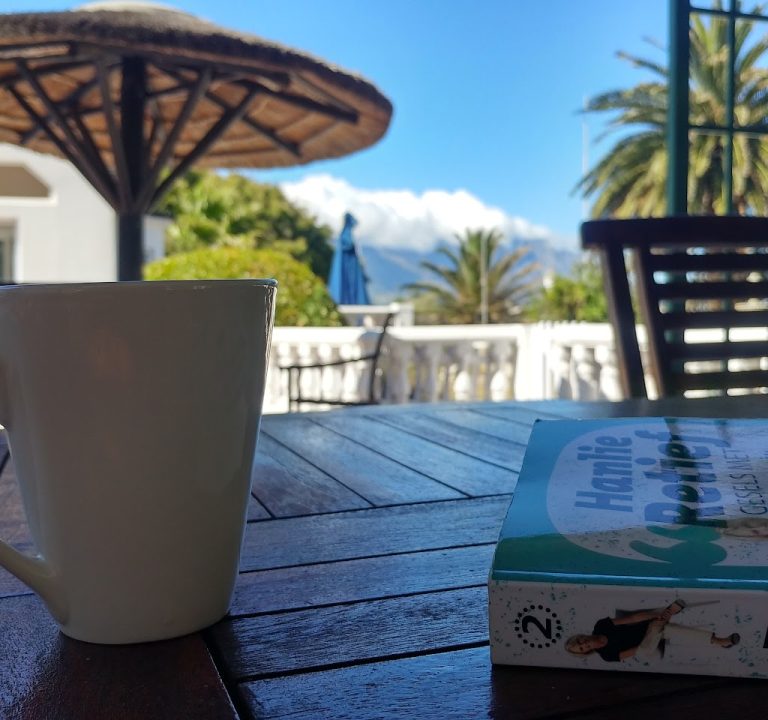
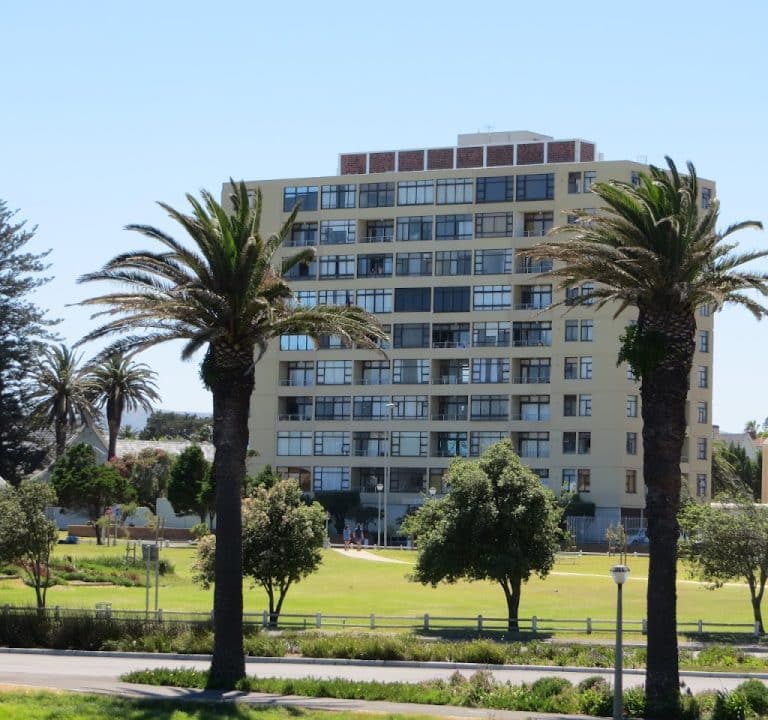
Cotswold House is a Guest house establishment in Cape Town, Western Cape, South Africa
About Cotswold House, Cape Town: A Historic Gateway to the Western Cape
Set in a uniquely positioned locale at the gateway to the West Coast, Cotswold House presents a charming, historic Cape Dutch Homestead that captures the essence of Cape Town’s coastal landscape. The property offers guests a sense of time-honoured hospitality, framed by sweeping views of iconic landmarks and the shimmering Atlantic. From this elevated vantage point, visitors can take in the grandeur of Table Mountain, the familiar silhouettes of Lion’s Head and Signal Hill, and the sea beyond, all framed by a peaceful backdrop that distinguishes the stay from more hurried city itineraries.
What makes Cotswold House particularly appealing is its marriage of heritage character with practical access to Cape Town’s core attractions. The homestead’s historic architecture provides a restful ambience, while the surrounding vantage points and nearby facilities make it convenient for both leisure explorers and travellers seeking easy connections to the city’s famed spots. The property sits adjacent to, and overlooks, a celebrated golf setting, noted as South Africa’s true links course. This combination creates a quiet, scenic retreat that can cater to a range of travel intents, from restorative breaks to active days exploring the region.
Spatially, the guest experience centres on a sense of timeless comfort rather than contemporary gloss. The Cape Dutch style is expressed through the building’s silhouette and design ethos, suggesting a stay that is relaxed, civilised, and suitable for guests who value character, atmosphere, and a tranquil environment as part of their travel narrative. The location’s natural vantage points and coastal air contribute to a sense of refreshing solitude, punctuated by easy access to urban conveniences and cultural experiences that Cape Town affords.
While the available on-site facility details are described at a high level, the emphasis remains on delivering a host of travel-friendly possibilities. The property’s surroundings invite strolls along scenic routes, moments of contemplation on private or shared verandas, and opportunities to engage with the city’s marine and mountain scenery. The historic setting, paired with proximity to both leisure and transport options, positions Cotswold House as a thoughtful choice for guests who prefer not to compromise between heritage ambience and practical travel convenience.
For guests planning a balanced itinerary, the location offers straightforward access to a mix of iconic waterfront experiences, modern shopping and dining precincts, and sports or outdoor pursuits. The Sea Road coastline and the surrounding landscape invite day trips and scenic drives that can be enjoyed without long commutes, while the nearby commercial zones provide handy points for shopping or casual meals. The property’s relation to major Cape Town corridors means that both city-centre attractions and quieter coastal or suburban corners are within easy reach, depending on planned activity levels and pacing.
Who might find Cotswold House especially appealing? It suits travellers who appreciate a historic base with a sense of place, where the backdrop of Table Mountain and the Atlantic fosters a memorable sense of arrival. It is well-suited for guests seeking a genteel, period-inspired atmosphere combined with convenient access to golf, shopping, waterfront entertainment, and Cape Town’s myriad attractions. The setting is particularly fitting for those who enjoy panoramic views as part of their stay, as well as visitors who wish to anchor a broader exploration of the Western Cape from a charming, characterful base.
Nearby highlights and practical travel pointers help frame reasonable expectations and aid planning. The property’s proximity to the Waterfront and Canal Walk area means easy access to dining, cinema, and retail experiences without requiring long transfers. Green Point Stadium’s vicinity offers additional sports and events proximity, while Century City provides a major shopping and business hub with further transport links. For travellers aiming to combine a scenic coastal stay with city exploration, the location’s scale and accessibility make it a sensible starting point for day trips into broader Western Cape scenery and experiences.
- Heritage architecture with panoramic coastal views
- Close to a true links golf course and green spaces
- Convenient access to the Waterfront, Canal Walk, and Century City
- Proximity to iconic Cape Town landmarks and scenic drives
- Ideal for travellers prioritising atmosphere, location, and quiet character
Booking and travel tips: prospective guests are encouraged to consult the official site for the most current information regarding availability and arrangements. Practicalities such as directions, travel routes, and local tips can be gleaned from the property’s contact and location materials, including a link to the map and nearby venues. For further details, visitors can explore the main site at the provided URL, which offers access to contact options and additional context about the residence and its setting: Cotswold House – Contact Us.
Cape Town
Western Cape
7441
South Africa

Cape Town stays, sights and savoury stops: a practical guide for travellers
With its dramatic coastline, iconic mountains and vibrant neighbourhoods, Cape Town offers a rich mix of accommodation options to suit every traveller. From boutique guest houses perched on the Atlantic coast to contemporary hotels near the V&A Waterfront, planning a stay in Cape Town means weighing location, comfort and access to the city’s varied delights. Consider splitting your visit across a few areas to reduce daily travel time and to experience different atmospheres, from leafy Constantia wine routes to bustling city suburbs and sun‑kissed beaches along the Atlantic Seaboard.
In the City Bowl and central Foreshore, you’ll find stylish hotels and guest houses that place you within walking distance of museums, galleries and excellent dining. The Atlantic Seaboard and Camps Bay offer sea‑view rooms and outdoor pools, with easy access to dramatic sunsets and long strolls along the promenades. If you prefer a quieter, green backdrop, Constantia and the southern suburbs provide leafy estates, large garden terraces and proximity to acclaimed picnics, walking and botanical experiences. For a taste of real Cape Town life, look to the bohemian neighbourhoods of the Bo‑Kaap and the nearby cultural hubs, where guest houses and boutique hotels welcome guests with warm hospitality and a sense of place.
Typical amenities you might expect include complimentary Wi‑Fi, 24‑hour reception, secure parking or easy access to public transport, in‑room tea and coffee facilities, dedicated workspace, and daily housekeeping. Many guest houses and smaller hotels offer breakfast on site, sometimes a light lunch or dinner option, and curated recommendations for local experiences. If a pool or outdoor space is important, check if the accommodation has a heated pool, sun terraces, or garden seating, especially during cooler months. Some properties also provide bicycles or guided walks, which can help you explore the surrounding neighbourhoods at a gentle pace.
Transport in Cape Town is straightforward but planning ahead pays dividends. The MyCiTi bus service links many parts of the city, while Uber and other ride‑hailing apps are commonly used for door‑to‑door trips. If you plan day trips to the Cape Point nature reserve, the Cape Winelands, or penguin‑watching at Boulder’s Beach, a rental car can provide maximum flexibility. Consider proximity to MyCiTi stops, major routes, or a car‑friendly property if you intend to drive in and out of city traffic during peak times.
The best time to visit Cape Town depends on your priorities. Summer (December to February) brings longer days, lively coastal scenes and excellent beach weather, but it is also peak season and accommodation tends to fill quickly. Autumn (March to May) offers milder days, fewer crowds and excellent wildlife and hiking conditions. Winter (June to August) is cooler and wetter, yet still a good time to explore museums, markets and the nearby Winelands with comfortable indoor heat and lighter crowds. Spring (September to November) is often ideal for wildflowers on the hillsides and pleasant coastal walks, making it a well‑balanced choice for many travellers.
When booking, consider a few practical tips to maximise comfort and value. First, verify what is included in the rate: breakfast, parking, and whether there are any additional fees for cleaning, wifi, or city taxes. Look for properties with clear cancellation policies, particularly if your plans may shift. Read recent guest reviews to gauge consistency in service, cleanliness and safety. If you plan to spend evenings out, a centrally located base may save time and reduce transport costs, whereas a coastal stay can offer a restful retreat after day trips. Check the accessibility options if you or your companions have mobility needs, as some historic properties may have stairs or limited elevator access.
Beyond where you sleep, plan a few key experiences that capture Cape Town’s spirit. Natural highlights include Table Mountain’s cable car or a guided summit hike, a visit to the Cape Point reserve for dramatic coastline and penguin sightings, and the Kirstenbosch National Botanical Garden for serene strolls among indigenous flora. On the cultural side, explore the city's museums and markets, take a neighbourhood stroll to discover street art and cafés, and enjoy fresh seafood and craft markets along the coast. For those who enjoy wine, day trips to the nearby Constantia, Stellenbosch or Franschhoek wine routes offer scenic drives, cellar tours and tastings that pair with light meals or cheese boards.
Accommodation options such as a historic Cape Dutch‑style guest house can offer a unique sense of place, blending traditional character with modern comforts. For example, a property perched near the gateway to the West Coast can provide panoramic views of Table Mountain and the sea, while still being within a short drive of major attractions and easy access to a nearby golf course or recreational spaces. To learn more about specific stays, you can visit the dedicated pages of individual properties, such as Cotswold House, which highlights its countryside‑adjacent setting, historic charm and convenient proximity to Cape Town's beaches and venues. See the property’s contact page for more information: Cotswold House.
- Checklist for booking: location and travel time, included meals and facilities, parking and security, access to public transport, and cancellation terms.
- What to pack: comfortable walking shoes, a light rain layer, a sun hat, sunscreen, and an adapter for local outlets.
- Local experiences to consider: harbour or waterfront strolls, coastal drives, markets, and nature walks with scenic viewpoints.
With thoughtful planning, Cape Town delivers a memorable blend of scenic beauty, diverse dining, and welcoming places to stay. Whether you choose a cosy guest house with sea views, a stylish hotel near the heart of the city, or a tranquil estate in the foothills, your visit can be crafted to be both relaxing and richly rewarding. Embrace the variety, use the small details of your accommodation to inform your daily plans, and you’ll strike the perfect balance between downtime and discovery in this remarkable part of the Western Cape.
Sorry, no records were found. Please adjust your search criteria and try again.
Sorry, unable to load the Maps API.
Why Claim Your Listing?
Claiming your listing on the B&B Finder directory website is a valuable opportunity for business owners. Here are five reasons why you should consider claiming your listings:
Control Over Business Information: By claiming their listing, business owners can ensure that all the information presented is accurate and up-to-date. This includes details such as contact information, address, pricing, and available services or amenities. Accurate information helps prevent customer confusion and improves overall satisfaction.
Enhance the Listing: Once a listing is claimed, owners can enhance it by adding more comprehensive information and rich media, like high-quality photos and videos. These additions can make the listing more attractive and engaging to potential customers, thereby increasing the likelihood of bookings.
Marketing Opportunities: Claiming a listing can also open up additional marketing opportunities. Owners may be able to participate in promotional campaigns, special offers, and other marketing activities organized by the directory. This can increase visibility and attract more customers to the business.