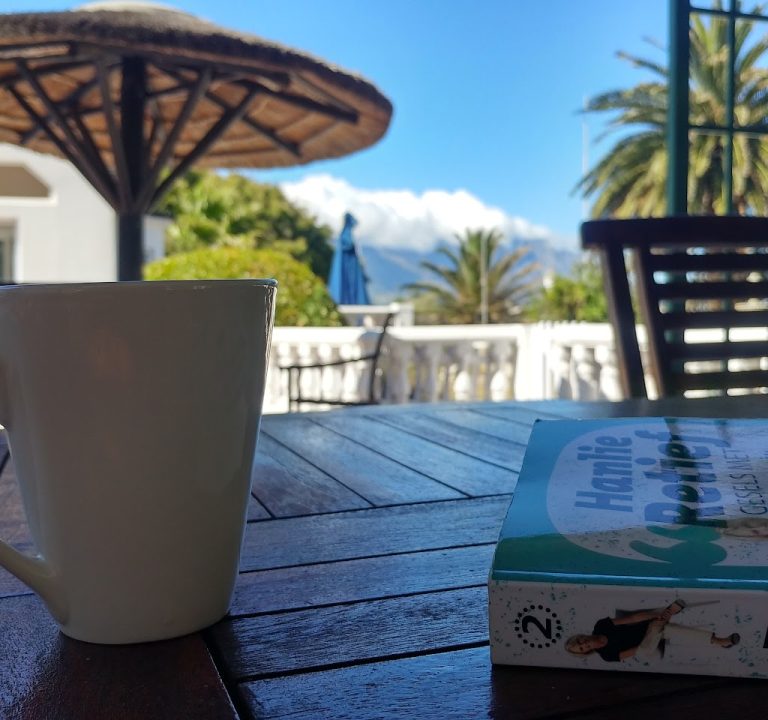
Accommodating Cape Town: where to stay, what to expect, and how to make the most of your visit
Cape Town in the Western Cape combines dramatic scenery with a cosmopolitan pace, offering a wide range of places to rest your head after a day of exploring. From stylish guest houses and boutique hotels to self‑catering apartments and family‑friendly lodges, there is something to suit every budget and travel style. When planning a stay, consider the character of each neighbourhood, proximity to favourite sights, and how you will get around before you arrive.
Areas to consider include the vibrant City Bowl and central business district, which put museums, galleries and restaurant scenes within easy reach. The Atlantic Seaboard—including Sea Point and the green‑horned Camps Bay—offers scenic coastal walks and bay views, ideal for travellers who want a mix of beach time and nightlife within a short distance. Green Point and V&A Waterfront are popular for those seeking convenient access to harbour‑side promenades, while Constantia and the southern suburbs provide leafy quiet and wine‑country vibes a short drive away. For a more bohemian atmosphere with easy access to universities and vintage shops, neighbourhoods like Woodstock and Observatory can be appealing. If a waterfront setting matters, stay near the canal or harbour side where pathways invite long strolls at any hour.
When booking, look for several core amenities that help maximise comfort on longer stays. Reliable wi‑fi, a well‑equipped kitchen or kitchenette, secure access, and in‑room storage are important. A comfortable bed, good lighting, and climate control (or at least effective heating and cooling) are worth prioritising for a restful break. Access to parking or easy parking nearby can save time in a city where street parking can be limited. If you plan to self‑drive to the Cape Peninsula or surrounding winelands, convenient parking and easy navigation to main routes are practical bonuses. For family trips, confirm child‑friendly spaces and policies, including characterful but safe outdoor areas for little ones.
Typical accommodation types in Cape Town range from guest houses and boutique inns to self‑catering apartments and larger lodges. Guest houses often provide personalised service and breakfast, with hosts eager to share local tips. Boutique hotels may offer stylish décor, curated experiences, and proximity to city sights, while guest‑house style lodges can balance intimate comfort with the convenience of nearby excellent dining options. If you value privacy and space, self‑contained apartments or studios with kitchen facilities allow you to tailor meals around day trips to the vineyards, beaches, or hiking trails.
Transport in and around Cape Town is straightforward but benefits from a little planning. The city’s public transport network includes a modern bus system with routes across the urban core and some coastal areas, while rideshare services and reputable taxi options are widely available. Many host and guest house complexes offer parking or transfer recommendations. If you plan to visit the Cape Peninsula or the winelands, a rental car provides the most flexibility, but day tours and organised excursions can also help you cover key sights with local insight. For shorter stays in the city, walking and cycling can be enjoyable, particularly in areas with pedestrian promenades and scenic routes along the coastline or Table Mountain’s lower slopes.
The best time to visit Cape Town depends on your priorities. Late spring (September to November) and autumn (March to May) bring mild weather, clear skies, and fewer crowds, ideal for outdoor activities and photography. December to February is peak summer, with longer days and a lively atmosphere, though popular spots can busy. Winter (June to August) brings cooler, wetter weather, but offers rewarding experiences such as fewer crowds at major attractions and lush, green scenery after rain. If you enjoy marine life or whale watching, the seasonality can influence your plans, and local operators will provide current advice on optimal times.
Practical tips to help you plan a smoother stay:
- Research the area’s access to public transport, walkability, and safety, especially at night.
- Confirm cancellation policies and any added fees for late check‑in or secure parking.
- Pack adaptable clothing for changing weather; coastal winds can feel cool even on warm days.
- Plan a balance of outdoor activities (Table Mountain, beaches, coastal walks) with rest breaks to avoid fatigue.
- Book a couple of dining reservations or experiences in advance, particularly in peak seasons.
Beyond the bed for the night, Cape Town offers a wealth of experiences that can be woven into your stay. Scenic viewpoints, coastal drives along the Atlantic Seaboard, and easy access to the Cape Fold mountains provide plenty of natural beauty. Cultural highlights and gastronomic scenes thrive across neighbourhoods: you’ll find markets, coffee houses, and casual eateries that showcase the multicultural palate of the city. While we refrain from listing every specific venue or price, a well‑planned itinerary will often blend a few daytime attractions with relaxed evenings—balancing iconic sights with quieter corners where you can soak up the local atmosphere. For further inspiration and practical planning resources, you can browse official regional tourism sites and reputable travel guides that highlight seasonal events, safety tips, and transport options.