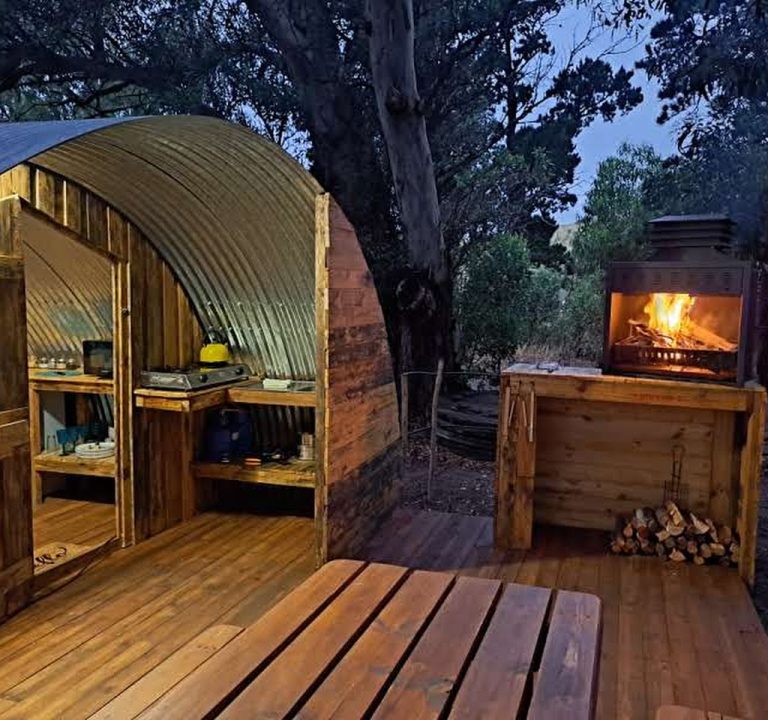
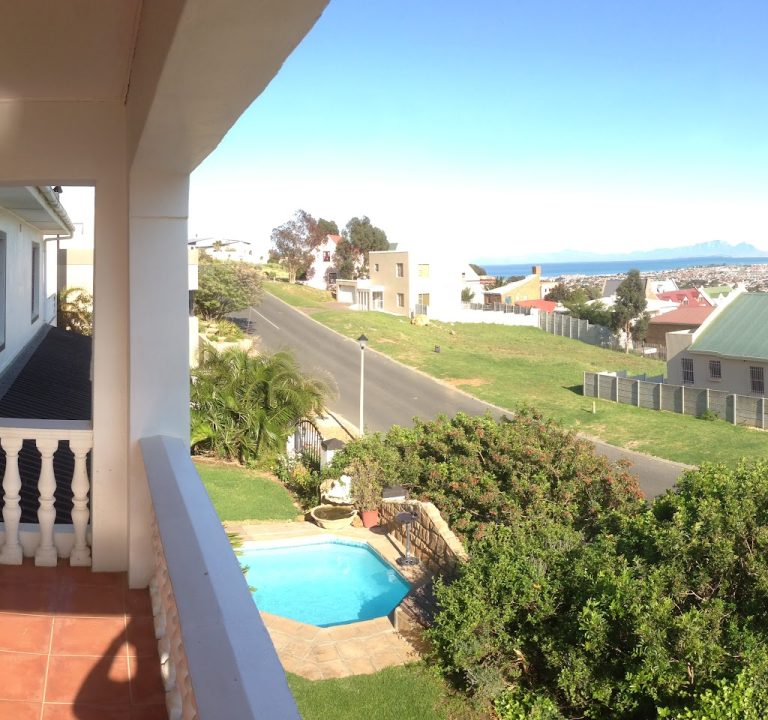
Little Riverside Guest House is a Guest house establishment in Cape Town, Western Cape, South Africa
About Little Riverside Guest House, Cape Town
Little Riverside Guest House sits along the Western Cape’s vibrant coastline, offering a guest-focused stay in Cape Town. From a traveller’s perspective, the property presents a tranquil retreat with a convenient base for exploring the city and its surrounds. The setting suggests a breezy, coastal ambience that complements a relaxed pace, making it suitable for guests seeking a comfortable home from home while on holiday or a brief break in South Africa’s iconic Mother City.
As a destination within Cape Town, the guest house is positioned to support a range of travel plans. The experience emphasises hospitality and thoughtful service, aiming to meet guests’ needs with warmth and efficiency. Visitors can expect a quiet environment that fosters rest after days spent sightseeing, practising outdoor pursuits, or sampling the diverse local culture and cuisine that the Cape has to offer. The property’s appeal rests in combining easy, no-fuss accommodation with access to the city’s notable attractions and scenic surroundings.
Little Riverside is represented through its accommodation concept as a guest-focused stay rather than a large, bustling hotel. The emphasis appears to be on a personal approach to hospitality, where guests can enjoy a comfortable living space that aligns with the pace of a Cape Town visit. The overall impression is one of well‑considered comfort, designed for travellers who value a peaceful setting alongside practical proximity to places of interest.
For guests planning how to book, the property is accessible via popular booking platforms, including Airbnb. This channeling of reservations reflects a straightforward, user‑friendly approach to arranging stays, with the potential for flexible dates and clear terms. Visitors can explore current availability, room options, and rates through the booking platform, allowing for a tailored stay that suits individual itineraries and budgets. Links to the hosting site provide a direct route to booking information, policy details, and host communication.
In terms of what is typically important to travellers, Little Riverside’s profile suggests a focus on essential needs: a comfortable place to sleep, a pleasant environment, and convenient access to the city’s highlights. The guest house pattern commonly includes private or shared spaces, with attention paid to cleanliness, security, and straightforward check-in processes. While exact room configurations and on-site facilities are not itemised here, the overall offering is aligned with a guesthouse aesthetic that prioritises practicality and a hospitable atmosphere.
Travelers choosing this type of stay often appreciate a modest, well-appointed home base from which to begin daily explorations. The Cape Town area offers a spectrum of activities, from natural scenery to urban experiences, and a well-run guest house can serve as a reliable anchor for these plans. Little Riverside’s concept fits into this framework by providing a restful retreat without the distractions of larger properties, enabling guests to focus on local experiences and personal itineraries.
Who this stay is best for? The profile suits travellers who value a relaxed, genuine lodging experience with straightforward booking and a friendly host presence. It may appeal to those seeking a quieter, more intimate atmosphere than a larger hotel, while still wanting reliable access to Cape Town’s outdoor settings, dining options, and cultural sights. Families, couples, solo travellers, and geotagged explorers who enjoy a convenient city base could find the Little Riverside experience resonates with their travel style.
Nearby highlights and experiences, while not detailed in this overview, typically include access to Cape Town’s iconic landscapes, markets, waterfronts, and cultural hubs. The city’s mix of natural beauty and urban energy offers something for every traveller, whether the focus is outdoor adventures, culinary discoveries, or photographic opportunities against dramatic coastal backdrops. Guests are encouraged to explore local guides and neighbourhoods to discover hidden gems, seasonal events, and day trips that showcase the best of the Western Cape.
Booking and practical tips for visitors include leveraging the Airbnb booking pathway used for Little Riverside, which provides a familiar and user-friendly route to reserve a room, review policies, and communicate with the host prior to arrival. It is advisable to check for current cancellation terms, expected arrival times, and any house guidelines to ensure a smooth check‑in experience. When planning travel to Cape Town, consider transport options, weather patterns, and popular seasons for activities like hiking, coastal walks, and city sightseeing. A balanced itinerary often combines morning outdoor experiences with afternoon strolls through beaches, markets, or museums, followed by relaxed evenings in safe, well-located neighbourhoods near the guest house. For further details, guests can visit the booking platform’s page for Little Riverside, where room types, amenities, and precise terms are listed alongside the host’s helpful guidance.
- Booking platform guidance: Access the property’s listing via the hosting site to view available room types, rates, and policies.
- Local exploration: Plan experiences that mix nature, culture, and dining to reflect Cape Town’s diverse appeal.
- Travel tips: Check weather trends and anticipate travel times to major city sights to maximise each day.
In sum, Little Riverside Guest House in Cape Town presents a thoughtful, guest-oriented option within the Western Cape. With a focus on comfortable, uncomplicated accommodation and a supportive booking process, it offers a dependable home base for travellers eager to experience Cape Town’s unique blend of coastal charm and urban energy. For more information and to explore current availability, visitors can navigate to the hosting platform’s page for Little Riverside, and peruse the host’s guidance to plan the stay.
Cape Town
Western Cape
Gustrouw Rd
South Africa
Accommodation and attractions in Cape Town: planning a traveller‑friendly stay
Cape Town remains one of South Africa’s premier destinations for visitors who want a mix of natural splendour, cultural highlights and culinary discoveries. When planning a stay, the choice of neighbourhood can shape your experience as much as the hotel or guest house itself. From the city bowl’s convenient access to the V&A Waterfront and Table Mountain to coastal pockets like Camps Bay and Clifton, and leafy Constantia, there are options to suit different travel styles and budgets. A well‑chosen stay can also act as a convenient hub for day trips to winelands, penguin beaches, and nature reserves.
For those seeking a home base with a personal touch, guest houses and B&Bs offer warmth and local insight. A place such as a Little Riverside‑type guest house can create a relaxed atmosphere with the personal service of a host, helping you navigate the city’s transport links and must‑see spots. When booking, consider whether you prefer a central location with quick access to sights, or a quieter retreat with easier parking and out‑of‑centre scenery. Always check recent guest reviews for honesty about noise levels, security, and the efficiency of housekeeping and breakfast.
Accommodation in Cape Town typically includes a range of amenities designed for comfort and convenience. Expect free Wi‑Fi, tea and coffee facilities, and sometimes a continental or full breakfast. Some properties may offer on‑site parking, which is a real perk in busy parts of the city. If you plan to drive, look for secure parking or easy street access. If you intend to explore without a car, choose locations near MyCiTi bus stops or a reliable taxi/ride‑hailing network. A small kitchenette or self‑catering option can be valuable for families or late‑night snacks after long days on the trails or beaches.
When choosing where to stay, think about transport time to your desired activities. A stay in the central City Centre, the Green Point area, or the V&A Waterfront will typically provide excellent access to walking routes, museums, markets, and cafés. For coastal sun and scenery, Camps Bay or Clifton are popular, though they may be a longer drive to encounters with Table Mountain’s summit or the winelands. For a warmer, wine‑country angle, Constantia offers green surroundings and easy access to historic estates, while Woodstock and Observatory provide a bohemian vibe and proximity to independent cafés and boutique shops.
Typical amenities to look for include a comfortable bed with high‑quality linens, en‑suite bathrooms, reliable heating or air‑conditioning depending on the season, and quiet rooms for restful sleep. A guest house or boutique hotel often shines through in thoughtful touches such as a well‑stocked breakfast service, a knowledgeable front desk, and recommendations for local experiences. If you’re visiting in shoulder seasons, you may find better value and a more relaxed pace, but be prepared for climate‑driven variability in outdoor plans.
Best time to visit Cape Town depends on what you want to experience. The city enjoys a Mediterranean climate, with dry summers from December to February and wet winters from May to August. Summer visits bring long days for beaches and outdoor activities, while spring (September to November) and autumn (March to May) offer pleasant temperatures and fewer crowds. If your itinerary includes coastal drives and road trips, late spring and early autumn can be ideal for comfortable temperatures and easier traffic conditions. Always plan around the weather and, if possible, align your stay with days when major attractions offer available seats or timed entries.
Beyond the place to sleep, Cape Town’s attractions and experiences are a key part of any itinerary. Iconic Table Mountain offers spectacular views (whether via cable car or a guided hike for the more adventurous), while the Kirstenbosch National Botanical Garden provides a restful counterpoint to the city’s bustle. The V&A Waterfront is a hub of dining, shopping, and harbour life, and nearby markets and museums reveal South Africa’s history and culture. For wildlife enthusiasts, coastal reserves and penguin colonies offer memorable day trips, while the Constantia valley provides a scenic backdrop for wine tastings and cellar tours. In terms of dining, you’ll find a spectrum from modern South African bistros to seafood strands along the Atlantic Seaboard, with many eateries emphasising seasonal produce and coastal flavours.
Planning tips for a smooth stay:
- Book early in peak seasons and consider mid‑week stays for better rates.
- Check whether your accommodation offers airport transfers or easy access to public transport and taxi services.
- Ask hosts or concierge staff for realistic day plans that fit your pace and interests, whether you prefer hiking, beaches, museums, or wine tastings.
- Pack layers and a light rain jacket for changeable coastal weather, plus sun protection for outdoor days.
- Consider pairing your lodging with nearby experiences or a guided tour to unlock the best local knowledge and safety tips.
When it comes to booking, there are many options to suit different preferences. You might opt for a guest house with personalised breakfasts and hosts who can offer tailored itineraries, or a modern apartment with self‑catering facilities and flexible check‑in. If you plan to use online platforms for accommodation, review policies on cancellations, check‑in times, and guest communications to ensure a stress‑free trip. For inspiration and flexible booking options, explore trusted platforms that list a range of Cape Town stays and user reviews, and consider combining lodging with experiences to make the most of your time in this remarkable city. For a sample starting point, you can browse properties and hosts at https://www.airbnb.com/.
Sorry, no records were found. Please adjust your search criteria and try again.
Sorry, unable to load the Maps API.
Why Claim Your Listing?
Claiming your listing on the B&B Finder directory website is a valuable opportunity for business owners. Here are five reasons why you should consider claiming your listings:
Control Over Business Information: By claiming their listing, business owners can ensure that all the information presented is accurate and up-to-date. This includes details such as contact information, address, pricing, and available services or amenities. Accurate information helps prevent customer confusion and improves overall satisfaction.
Enhance the Listing: Once a listing is claimed, owners can enhance it by adding more comprehensive information and rich media, like high-quality photos and videos. These additions can make the listing more attractive and engaging to potential customers, thereby increasing the likelihood of bookings.
Marketing Opportunities: Claiming a listing can also open up additional marketing opportunities. Owners may be able to participate in promotional campaigns, special offers, and other marketing activities organized by the directory. This can increase visibility and attract more customers to the business.