Cape Town, Western Cape: accommodation ideas, attractions and planning your stay
Cape Town sits at the confluence of dramatic scenery and a vibrant urban scene, making it a rewarding destination for a diverse range of travellers. When planning where to stay, consider the kind of experience you want, how easy it is to access the places you plan to visit, and what amenities will make your trip more comfortable. From boutique guesthouses to contemporary lodges, the city and surrounding areas offer options that suit different budgets and travel styles.
Areas to consider for accommodation include the City Bowl and the central suburb belt, which place you close to museums, theatres, markets and a lively dining scene. The Atlantic Seaboard, including Camps Bay and Clifton, is famous for its beachside ambience, while Green Point and De Waterkant provide easy access to the V&A Waterfront and sea-front walks. For a tranquil, wine-orchard atmosphere with easy access to Cape Town’s southern suburbs, Constantia and Hout Bay are popular. If you prefer a more relaxed, village-like vibe, the southern suburbs and nearby suburbs such as Tokai, Constantia and the Helderberg basin offer leafy streets, guesthouses and lodges set against mountains or vineyards.
For many travellers, a blend works best: a few nights in a central area to explore the city, followed by a couple of days in a coastal or hillside setting to unwind. A well-rounded stay can also include a day trip to the Cape Winelands or a scenic drive along the Atlantic coast to Chapman’s Peak, with stops for short walks or a beachside picnic along the way. If you are travelling with family or a group, look for apartment-style options or family rooms with kitchen facilities, which can offer flexibility and good value.
Typical amenities to look for include secure on-site parking, a comfortable desk or seating area if you need to work, reliable Wi-Fi, breakfast options, a friendly reception, and helpful local information. Some guesthouses and lodges provide curated experiences, such as guided walks, winery tastings, or arranged trips to natural landmarks. For families or longer stays, a kitchenette or self-catering facility can be particularly convenient, while a swimming pool, outdoor space or garden can enhance relaxation after a day of exploring. When booking, check accessibility details, noise levels, and whether rooms are en suite or share facilities, to ensure the configuration meets your needs.
Transport is a key planning factor. Cape Town has a compact city core and efficient, if busy, road routes, but the most enjoyable experiences often involve some local travel. A central stay reduces daily transit time, while a coastal or hillside base may offer more scenic tranquillity. The MyCiTi bus network can be useful for short city hops and to reach major attractions, though some routes may be limited in frequency. If you plan to explore beyond the city, renting a car gives flexibility to visit the Winelands, beaches, and viewpoints at your own pace. For day trips to the Cape Peninsula or the Winelands, guided tours can be a convenient option, especially if you prefer not to drive on unfamiliar roads.
The best time to visit Cape Town varies with your interests. Spring and autumn bring mild temperatures and fewer crowds, while summer offers longer days and excellent conditions for outdoor activities. Winter is cooler and wetter, but the surrounding hills and wine farms still hold appeal, and it can be a good time to find quieter accommodation and lower rates. If you are keen on hiking or outdoor photography, plan your outdoor activities for morning hours when conditions are typically calmer and the light is good for photography.
When focusing on stays and experiences, it helps to think about a mix of culture, nature and food. In the city, you’ll find remarkable views from viewpoints such as Signal Hill or Table Mountain, bustling markets, and a restaurant scene that ranges from casual cafés to refined dining. Across the wine routes, you’ll encounter round-the-table experiences that showcase regional produce and vintages, with landscapes shaped by mountains and avenues of vines. For a coastal flavour, days on the Atlantic Seaboard offer long beaches, promenade walks, and sunsets over the ocean. Always check cancellation policies and payment terms during booking, and confirm what is included in your rate to avoid surprises at check-in.
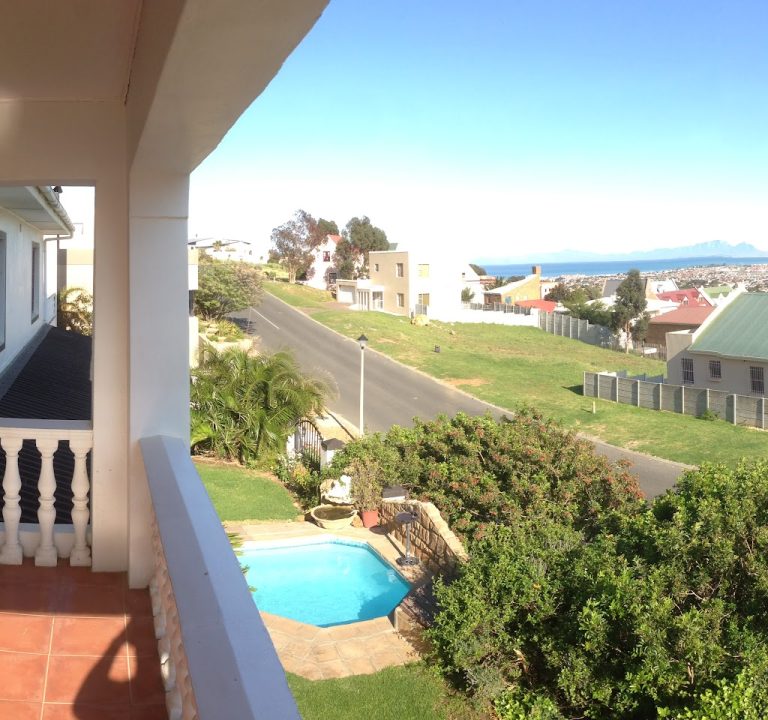
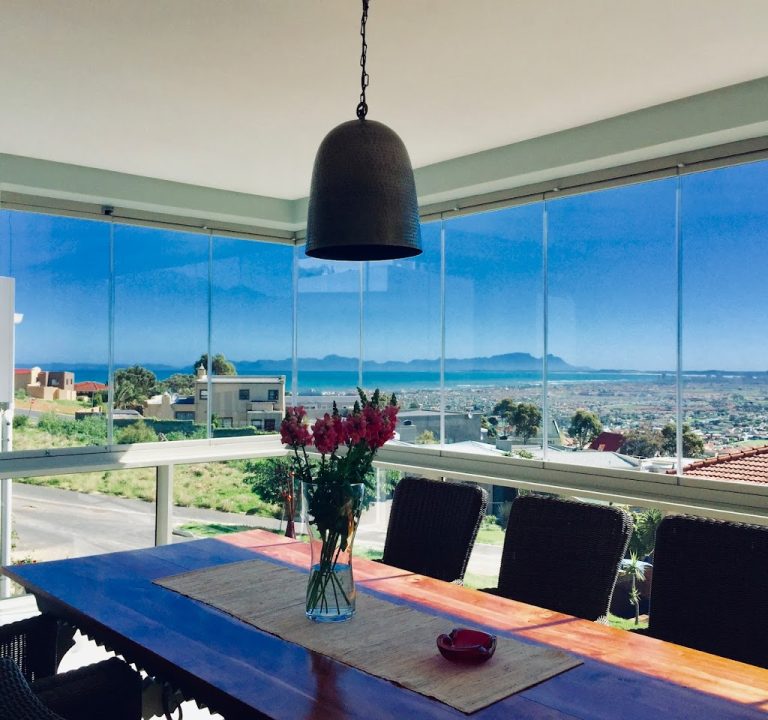
Accommodation options you might consider include elegant guesthouses that blend comfort with personalised service. One example is Helderberg Guesthouse, a guesthouse in the region known for its tranquillity and proximity to the coast and winelands. For availability and detailed options, you can explore booking platforms that showcase the property, such as the linked booking page: https://book.nightsbridge.com/17470. When choosing a stay, read guest reviews for practical tips on local transport, noise levels, and the responsiveness of hosts or managers.
- Book centrally if you plan to spend most days in the city centre, to minimise travel time and maximise your time exploring.
- Choose a base with easy access to emerging and well-known attractions, but ensure there is a convenient transport option or parking if you are renting a car.
- Verify kitchen facilities or breakfast options if you prefer self-catering or want to start the day with a hearty meal before exploring.
- Look for flexible cancellation terms in case plans change due to weather or other considerations.
- Plan for a mix of activities—hikes, scenic drives, museum visits, markets, and a couple of dining experiences to capture the city's culinary diversity.
In short, Cape Town offers a spectrum of places to stay and a wealth of things to do, from iconic natural landmarks to vibrant neighbourhoods and world-class dining. With thoughtful planning—selecting a well-situated accommodation, understanding transport options, and balancing outdoor adventure with relaxing downtime—you can craft a memorable and practical itinerary tailored to your interests and budget.