Accommodation and Experiences in Cape Town: Where to Stay and What to Do
Cape Town blends dramatic scenery with a vibrant culinary scene, legendary beaches and a wealth of cultural experiences. When planning a stay, guests typically weigh location, access to transport, and the type of accommodation that suits their pace. From self-catering apartments to boutique guesthouses and modern lodges, the right base can dramatically shape how you explore the city and its surrounds.
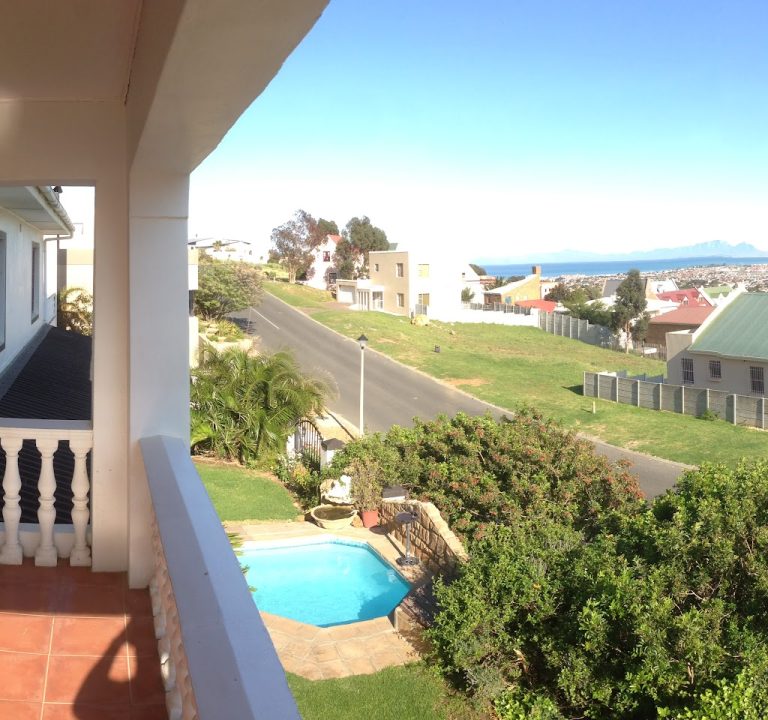
Areas to consider include the City Bowl and Gardens for easy access to museums, markets and nightlife, the V&A Waterfront for harbour views and convenient transport links, and Atlantic Seaboard neighbourhoods such as Camps Bay and Sea Point for dramatic sunsets and a relaxed coastal vibe. For wine lovers and outdoor enthusiasts, Constantia and the nearby Stellenbosch and Franschhoek valleys offer easy day trips with cellar doors and scenic drives. If you’re seeking a calmer, more residential feel with quick access to nature, the southern suburbs and the wider Cape Peninsula provide leafy streets, sprawling terraces and plenty of outdoor activities.
When booking, think about distance to the places you plan to visit most. A quick hop on a MyCiti bus or a ride-hailing service can save time, but staying within walking distance of your major anchors can reduce daily transit. Check the property’s parking arrangements if you plan to hire a car. For those seeking a boutique experience, look for properties that describe local design touches, curated guides, and a friendly on-site host who can point you to hidden gems beyond the obvious tourist routes.
Typical amenities you might expect include well-equipped kitchens or kitchenettes, reliable wi‑fi, air conditioning or heating for Cape Town’s seasonal changes, secure parking, and access to outdoor spaces such as balconies or terraces. Many self-catering options provide spacious living areas and laundry facilities, which are particularly convenient for families or longer stays. If you prefer a social atmosphere, look for guesthouses or boutique hotels with communal lounges or breakfast offerings, where local advice and personalised recommendations come naturally.
Transport in Cape Town is diverse. A rental car offers the freedom to explore the Cape Peninsula at your own pace, including iconic viewpoints and coastal towns. Public transport is improving, and ride-hailing services operate in most areas, though some routes and neighbourhoods may be more practical to reach with a car. If you intend to visit Table Mountain, forested hikes, or the Cape Point reserve, convenient parking or a well-timed tour will save queues and maximise time for experiences rather than logistics.
The best time to visit Cape Town depends on what you want from your trip. Summer months (December to February) are popular for beaches and outdoor activities, but can be busy. Shoulder seasons — spring (September to November) and autumn (March to May) — offer milder weather and fewer crowds, ideal for exploring the city’s parks, markets and coastal walks. Winters (June to August) are cooler and wetter, yet the scenery is dramatic and there are abundant indoor cultural experiences, culinary events and museum hours to plan around.
Practical tips for a smooth stay:
- Pack adaptable clothing: Cape Town weather can shift quickly, especially near the coast and on the mountain. Layering is key.
- Make a rough daily plan but leave room for serendipity: local markets, coffee roasters, and neighbourhood eateries often become highlights when you follow recommendations from hosts or locals.
- Book popular attractions and tours in advance where possible, especially during peak season, to secure preferred times without long queues.
- Choose accommodation with clear notes on access to public transport, parking, and neighbourhood safety tips.
- Respect local customs and environmental practices, particularly in natural spaces and areas with sensitive ecosystems.
When it comes to places to stay, consider whether you want a self-catering setup that affords maximum flexibility or a guesthouse with a personal touch and included breakfast. A boutique hotel or lodge may provide a more curated experience, with attentively designed rooms and curated local experiences on offer. For families or longer stays, a well-equipped apartment or villa with multiple bedrooms and a kitchen can be a comfortable home base from which to launch day trips to the coast, the winelands, or the hills above the city.
Cape Town offers a range of attractions that suit different interests. Landmarks and viewpoints are iconic, and many visitors enjoy a blend of nature, culture, and gastronomy. In addition to natural beauty spots such as beaches and coastal drives, the city centre and nearby suburbs provide museums, galleries and neighbourhoods with historic architecture, markets, coffee shops and restaurants designed to showcase local flavours. Dining experiences tend to emphasise fresh seafood, Mediterranean-inspired influences, and farm-to-table ingredients sourced from the wider Western Cape. While specific venues and menus may change, most visitors leave with a sense of the city’s vibrant, layered character and its commitment to identity and sustainability.
For travellers seeking inspiration beyond the usual sights, consider guided walks or cellars tours in the wine region, coastal hikes with wildlife viewing, or food-focused experiences that highlight Cape Town’s diverse communities. Whether you are here for a short urban break or a longer, immersive stay, planning around convenient bases, transport options, and the rhythm of local life will help you make the most of your time in this remarkable corner of South Africa. For further reading and ideas, you can visit the destination’s official pages or explore the property’s own site for practical details and current guest guidance, such as visiting information, area highlights, and suggested itineraries.
To start planning, you might also explore specific accommodation options that offer self-catering amenities or curated experiences, such as stays that emphasise comfortable home-from-home spaces and easy access to Cape Town’s wide array of activities. For example, a well-run self-catering property with a thoughtful kitchen, outdoor space and clear guest information can serve as a practical hub for your Cape Town visit. Learn more about one such option at the following site: O’Briens Self Catering.