Staying in Cape Town: a guide to accommodation, planning and top experiences
Cape Town blends dramatic scenery with a vibrant urban scene, making it a rewarding destination for a wide range of travellers. Whether you favour self-catering simplicity, boutique B&Bs, or modern apartments with sea views, the city offers choices that cater to different budgets and styles. When planning a stay, think about the neighbourhoods that best suit what you want to do, as well as the practicalities of getting around and enjoying your days to the full.
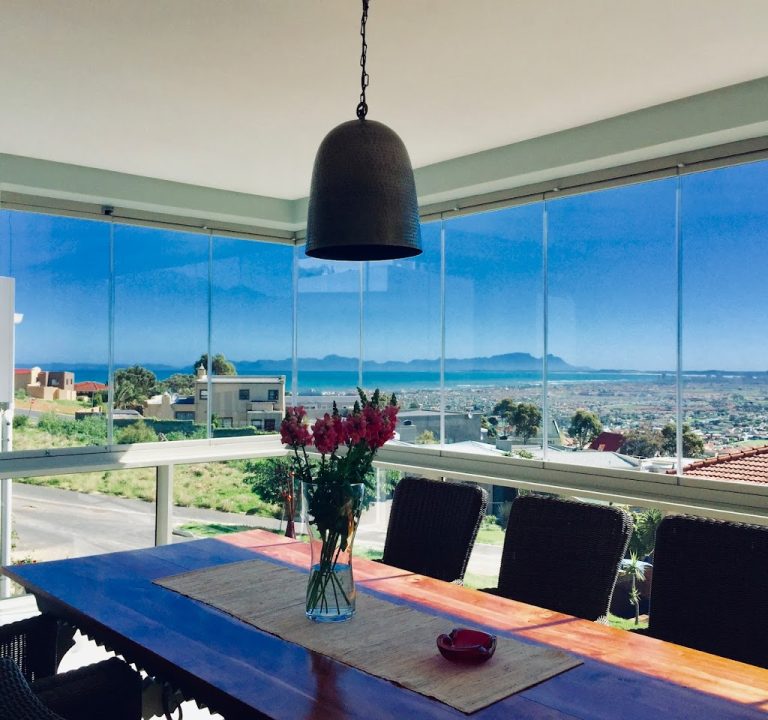
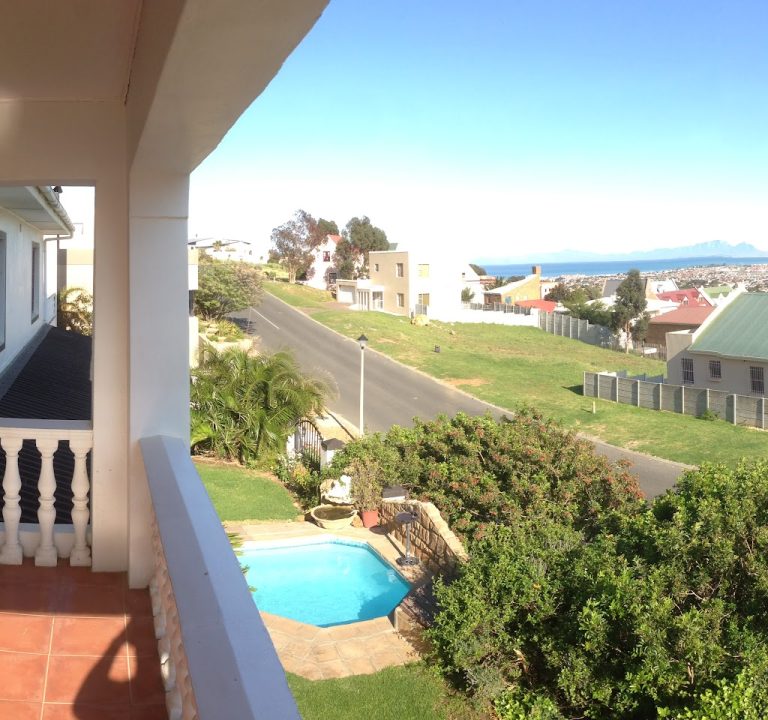
Self-catering and apartment-style stays, such as Die BoHuis, can be an excellent option for travellers seeking flexibility and a home-from-home atmosphere. Look for properties that offer clear information about self-catering facilities, laundry access, good wifi, and easy access to cafés or grocery shops. A well-equipped kitchen, comfortable living space, and secure parking or easy transport links can make a big difference, especially for longer stays or travelling with family.
Areas to consider depend on your priorities. The V&A Waterfront and the City Bowl place you in the heart of activity, with convenient access to museums, shopping, and dining, while offering views of the harbour or the Table Mountain massif. Green Point and the Bo-Kaap area provide a mix of beachfront access, cultural history, and walkable streets. Camps Bay and Clifton are renowned for their sandy beaches and sunset scenery, but can be pricier and busier during peak season. For a more laid-back, creative vibe, neighbourhoods such as Woodstock or Observatory (Woordvriet) can offer spacious self-catering options with easy transit links into the city centre.
Typical amenities to look for in self-catering accommodation include a well-equipped kitchen (oven, hob, fridge, and basic cooking gear), reliable hot water, good heating or cooling options, a comfortable bed, and secure access. If you are travelling outside peak season, check for heating or blankets, as Cape Town’s nights can be cooler. A balcony or outdoor space is a bonus, especially in a climate that encourages al fresco meals or sunsets. Transparent information about parking or proximity to public transport is valuable, as some areas have limited parking or parking restrictions in peak hours.
Transport is a practical consideration. The MyCiTi bus network makes many areas reachable without a car, but renting a car can offer more freedom for day trips to the Winelands, the Cape Peninsula, or the Constantia Valley. If you prefer stress-free travel, choose accommodation that is near a MyCiTi stop, or within walking distance of dining and supermarkets. For exploring the city and its beaches, a combination of walking, bike hire, and occasional taxi or rideshare services often works well. Always check the nearest transport options before booking, especially if you plan early starts for mountain excursions or late returns after sunset.
Best time to visit Cape Town depends on your priorities. Summer (December to February) brings long days, warm seas, and lively outdoor scenes, but it is also peak tourist season, so expect larger crowds and higher prices. Autumn (March to May) and spring (September to November) offer pleasant weather, wine-tasting opportunities, and less crowded sights. Winter (June to August) is cooler and wetter, yet it provides special experiences like fewer crowds at popular viewpoints and occasional dramatic weather contrasts. If wine country is on your itinerary, plan a day trip in the shoulder seasons when roads, vineyards, and restaurants experience a calmer rhythm.
When planning attractions and activities, balance iconic sights with slower, local experiences. In Cape Town, you can combine natural landmarks with cultural discoveries. Iconic possibilities include taking a cable car up Table Mountain for panoramic city views, exploring Kirstenbosch National Botanical Garden, and walking along the Atlantic Seaboard to feel the sea breeze and dramatic scenery. A visit to Robben Island provides historical insight and is typically weather and ferry dependent. The Cape Peninsula drive offers dramatic coastal scenery, with opportunities for hiking, harbour visits, and lovely lookouts. For food and drink, the city’s dining scene ranges from casual eateries to fine dining, with many venues focusing on fresh seafood, regional produce, and global influences. While individual restaurant names and prices vary, you’ll find options to suit most tastes and occasions.
Practical planning tips to make the most of your stay:
- Research neighbourhoods in advance and read recent guest reviews to gauge safety, noise levels, and convenience for your interests.
- Check access details for self-catering properties, including cooking facilities, laundry, and proximity to grocery shops or cafés.
- Consider a mixed itinerary: mornings in nature or museums, afternoons at beaches or markets, and evenings in vibrant dining districts.
- Pack layers for varied weather and a light rain jacket for occasional showers, especially if you plan outdoor activities.
- Book popular experiences or ferry departures well in advance, particularly during peak season or holidays.
Finally, embrace flexibility. Cape Town’s weather and tides can shift plans, and some attractions operate by seasonal schedule or weather windows. With the right accommodation choice, a well-planned itinerary, and a sense of adventure, you can enjoy a balanced stay that combines memorable scenery, enriching experiences, and comfortable, self-contained living. For those who value independence alongside discovery, self-catering options like Die BoHuis provide a solid base from which to explore the Rainbow Nation’s unforgettable Cape Town region.