Discovering Cape Town: Accommodation, Experiences and Practical Planning
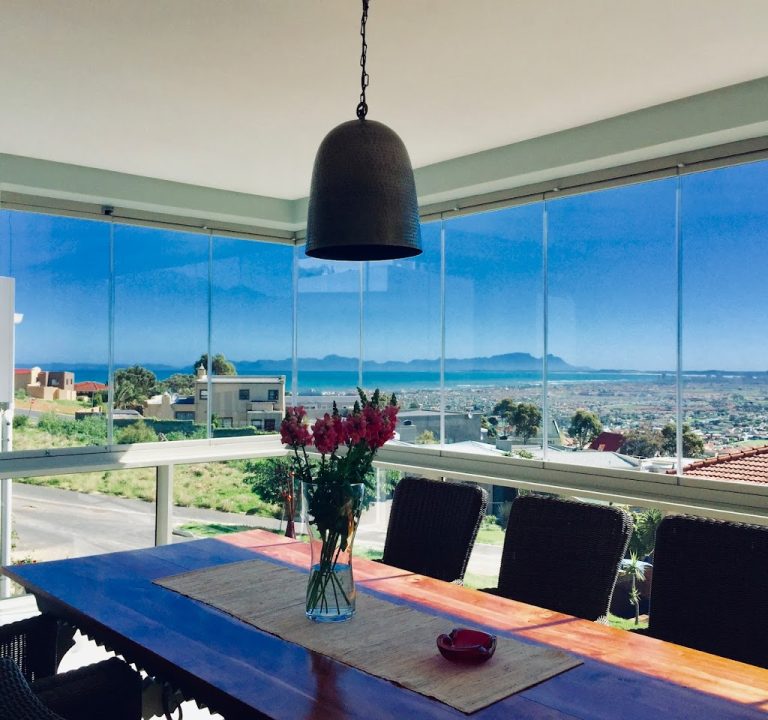
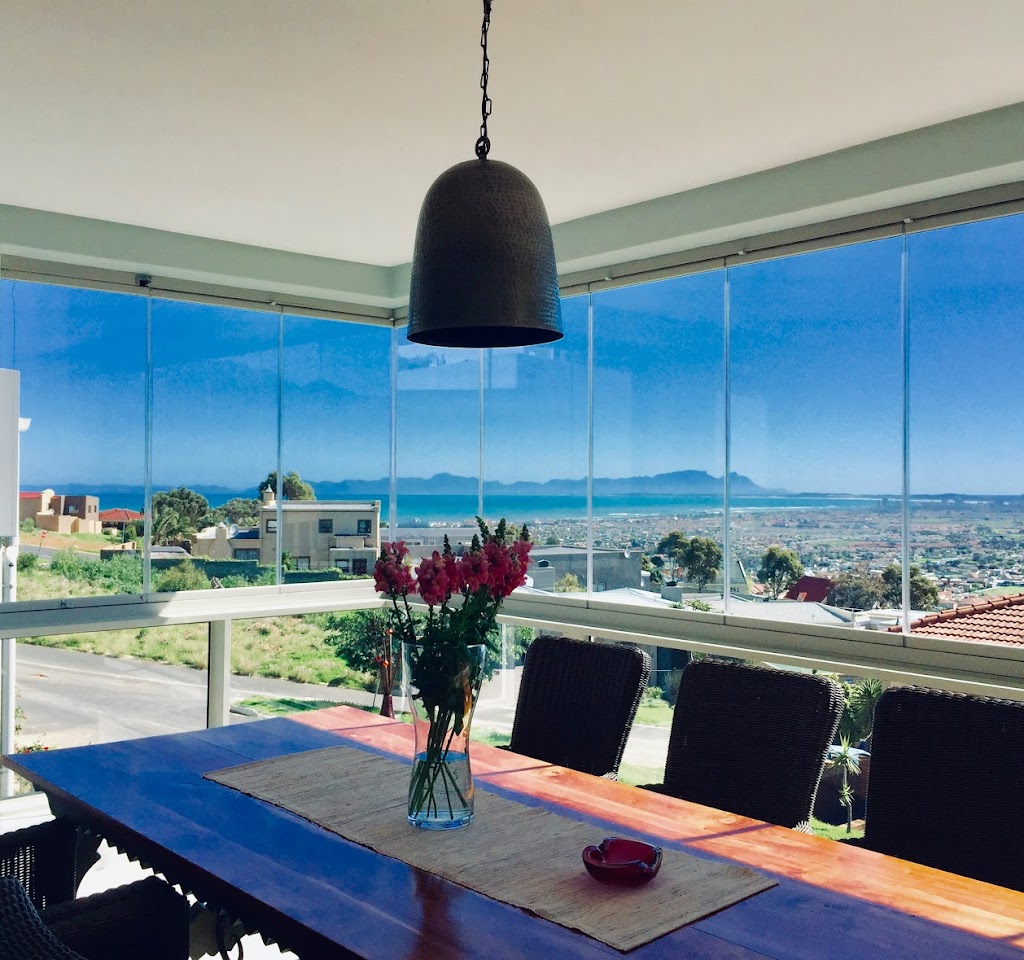
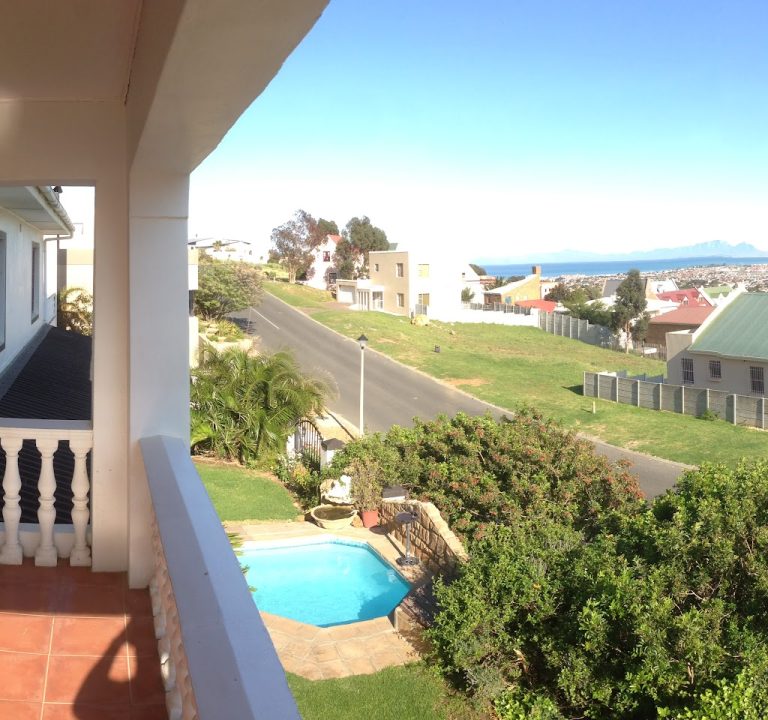
Cape Town, in the Western Cape of South Africa, offers a diverse tapestry of places to stay that suit different itineraries and budgets. From stylish city-centre apartments to sea‑view guesthouses and family-friendly lodges, the key is to align your choice with the areas you wish to explore and the pace you want during your visit. For those seeking a furnished short-stay option, La Paix Brise can serve as a useful reference point for a well-equipped, self-contained stay in a convenient neighbourhood. Consider accommodation that emphasises comfort, good lighting, reliable Wi‑Fi and an easy arrival experience to help you settle in quickly after flights or long drives.
The most popular areas for visitors fall into a few distinct neighbourhoods, each with its own character and advantages. The City Bowl is ideal for travellers who want to be within easy reach of museums, markets and vibrant dining. The Atlantic Seaboard, including Green Point and Camps Bay, offers dramatic sea views, beaches and a relaxed, upmarket ambience. Constantia and the Southern Suburbs provide a calmer base with access to wine routes and hillside views, while Woodstock and De Waterkant offer a mix of creative spaces, modern apartments and convenient transport links. When choosing where to stay, weigh proximity to the places you plan to visit against the feel you want—buzzing urban energy, or quiet morning light and a terrace with a view.
Typical amenities in well‑managed accommodation include a well-equipped kitchen or kitchenette, adequate storage, reliable heating or cooling, secure parking or easy access to public transport, and strong, consistent Wi‑Fi. If you are travelling with family or a small group, look for spaces with separate bedrooms, a comfortable living area, and a practical dining setup. For business travellers or longer stays, consider properties that offer a desk space, good lighting for work, and flexible check-in arrangements. If accessibility is important, check for step-free entry, lift access and reachable facilities. Always read reviews about how recent guests found the comfort level, noise at night and the responsiveness of hosts or managers.
Transport in Cape Town is well situated for visitors who wish to explore without renting a car for the entire stay. The MyCiTi bus network, ride-hailing services and walkable city lanes can get you between main sights in reasonable time, especially in the city centre and along the Atlantic Seaboard. If you are staying out of central areas, a car or off‑peak shuttle services may save time for day trips to the Cape winelands or to penguin colonies further afield. When planning, map your route and consider morning traffic patterns, as peak hours can affect travel times along popular corridors.
The best time to visit Cape Town depends on what you want from the trip. Spring and autumn (roughly September to November and March to May) offer mild weather, fewer crowds and pleasant days for outdoor exploration. Summer brings longer days and beach-friendly conditions, but can also be busy at major sights. Winter, while cooler and wetter, can still be rewarding for city strolls, museum visits and a focus on indoor experiences. If you plan to visit nature reserves or coastal hikes, pack layers, sunscreen and comfortable walking shoes. Always check local tide times and weather forecasts for outdoor activities such as coastal walks or harbour excursions.
When planning activities, you will find a mix of iconic natural landmarks, cultural institutions and culinary options that respond well to a flexible itinerary. You might structure a stay around a few core experiences—a cable-car ride up to a famous lookout, a stroll through botanical gardens, a day exploring historic townships or a guided tasting in a wine region nearby. For meals, you can opt for a blend of casual eateries that focus on fresh, local produce and more refined dining that celebrates South African flavours. Many venues emphasise setting and service as much as menu, so take time to reserve appropriate spaces or ask about seasonal specialities.
To help you organise a balanced trip, here are practical planning tips:
- Choose a base that minimises daily travel to your priority sights and experiences.
- Book flexible accommodation where possible, with clear check‑in times and cancellation terms.
- Check for on-site parking or convenient transport access, especially if you are driving to the Cape Winelands or coastal reserves.
- Read recent guest reviews to gauge cleanliness, responsiveness and comfort rather than relying solely on star ratings.
- Pack for mixed weather and outdoor activities—layers, sun protection and a compact rain jacket are wise choices.
As you plan your stay, consider including a blend of self‑catering and hospitality‑friendly experiences. A furnished apartment or serviced suite can provide a home-from-home feel with the flexibility to cook a light meal after a day of exploring. If you prefer someone else to handle daily housekeeping, look for properties that offer weekly or mid-stay cleaning. For those who enjoy social dining and local flavour, seek neighbourhoods with a concentration of eateries and markets where you can sample fresh produce and regional dishes in a relaxed setting. Remember to respect local customs and environmental considerations, especially in marine or nature reserves.
For more information or to explore specific accommodation options, you can visit the dedicated accommodation pages and tourism resources available on reputable sites. Although details such as names, prices, or awards fluctuate, the overall approach remains clear: select a well‑located, well‑equipped space with good reviews, manageable transport links and a plan that matches your interests. To see a sample listing and get an idea of what a furnished stay might offer, you can visit a provider’s page or a general booking platform. More details may help you compare options and tailor your Cape Town stay to your preferences.