Discover Cape Town: Accommodation and Experiences for a Memorable Stay
Cape Town offers a diverse range of places to stay, from stylish self‑catering retreats to intimate guesthouses and modern hotels. When planning a visit, think about what neighbourhood suits your itinerary, how you want to move around the city, and whether you prefer a private kitchen, scenic sea views, or easy access to nightlife and dining. The best stays combine comfort with easy preparation for days spent exploring the region’s iconic sights, beaches, markets and nature reserves.
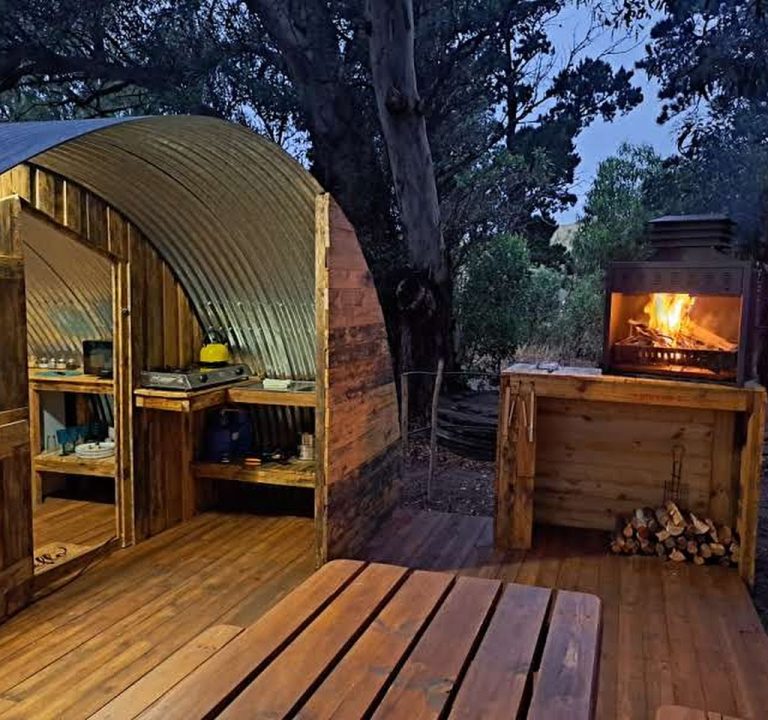
Self‑catering options can be a savvy choice for families, groups or travellers who value flexibility. A well‑equipped kitchen allows you to dine in after a day on the hills or at the coast, and a private living space makes it easy to unwind after a long day of sightseeing. For example, Kingfisher Hollow is a self‑catering accommodation option that emphasises a comfortable, home‑from‑home feel while placing you near convenient transport links and popular neighbourhoods. Details and availability are typically showcased on the property’s official site, which makes planning straightforward before you book.
Where you stay in Cape Town can shape your whole experience. Each area has its own character and access points to different activities:
- City Bowl and the historic central areas offer a compact base with museums, markets, cafés and easy access to MyCiTi buses.
- Atlantic Seaboard neighbourhoods give sea views and a seaside vibe, with walkable promenades and a range of restaurants.
- Green Point and De Waterkant are convenient for the waterfront and entertainment districts, with handy transport links to the Cape Town Stadium and surrounding attractions.
- Camps Bay and the Atlantic coast provide breathtaking scenery and calmer streets, ideal for sun and sunset moments.
- Constantia and the southern suburbs suit travellers who seek vineyard scenery, gardens and a more relaxed pace.
When booking, consider what matters most: space for luggage and privacy, a reliable kitchen setup, air conditioning or heating for seasonal shifts, secure parking, reliable Wi‑Fi, and thoughtful accessibility features if required. Read property descriptions carefully to verify bed configurations, privacy features (separate entrances or en suites), and whether the accommodation is truly self‑catering or offers occasional housekeeping. Clear photos and recent guest reviews can help you gauge whether a stay matches your expectations.
Transport is a practical consideration in Cape Town. The city’s layout is mountainous in places, so plan for a mix of walking and longer drives. Public transport, such as the MyCiTi rapid bus system, can connect you to major sights and suburbs, but private transport—whether rental cars or ride‑hailing apps—often provides greater flexibility for visiting beaches, viewpoints and wine estates. If you intend to explore beyond central areas, a car may be the simplest option, though many guesthouses and boutique hotels also offer convenient shuttle arrangements or organised day trips.
Best time to visit Cape Town depends on what you want from your trip. The city enjoys a Mediterranean climate with warm, dry summers and cooler, wet winters. For outdoor adventures, spring (September to November) and autumn (March to May) offer mild weather, lower crowds, and excellent natural lighting for photography. Summer brings longer days and lively energy, while winter can be wetter and windier, particularly on exposed coastal routes. Ocean swimming is most comfortable in the warmer months, with marine life and beaches open for a range of activities throughout the year.
Accommodation in Cape Town often pairs well with a mix of experiences. Beyond beaches, visitors can explore world‑class viewpoints and nature reserves, historic neighbourhoods, markets, and a thriving food scene. In many areas, a short stroll will reveal cafés, bistros and informal eateries that reflect Cape Town’s diverse cultures. For dinner, you’ll find everything from casual eateries offering local fare to more refined venues with views of the sea or mountains. When choosing restaurants, consider reservations for peak periods and check for dietary options if required. Local tips from hosts or guesthouse concierges can point you towards emerging neighbourhood favourites as well as timeless classics.
Practical tips to help you plan a smooth stay:
Before you book, clarify the following with your chosen property:
- What the neighbourhood is best suited for in terms of activities and transport access.
- What self‑catering provisions are included (basic pantry items, cooking equipment, laundry facilities).
- Whether security features, on‑site parking, and 24‑hour support are available.
- How housekeeping and linen changes are handled, particularly for longer stays.
- The property’s cancellation policy and any seasonal pricing variations.
As you build your Cape Town itinerary, balance time between natural attractions—such as coastal walks, viewpoints and nature reserves—and cultural experiences in the city’s markets, galleries and historic streets. This approach ensures you enjoy the dramatic landscapes while also engaging with the city’s vibrant food and arts scene. With a well‑chosen base, a thoughtfully planned day, and a little local guidance, your stay can feel effortless, welcoming and distinctly Cape Town.
For more information about Kingfisher Hollow and its self‑catering offering, visit the official site: Kingfisher Hollow.