Cape Town Accommodation Guide: Where to Stay and What to Do
Cape Town blends natural beauty with a vibrant urban culture, making it a compelling destination for a stay that combines relaxation, adventure, and dining. When planning your visit, think about the character of the neighbourhood, the pace you want, and how you’ll move around the city. From sun-kissed coastlines to dramatic mountain scenery, there is an option to suit every traveller, whether you prefer boutique stays, self-catering comforts, or stylish hotels with panoramic views.
Areas to consider. The City Bowl and central Cape Town put you within easy reach of museums, markets, and National Heritage sites, while the Atlantic Seaboard paths along the coast north and south of the city offer glamorous beaches, scenic viewpoints, and heartier gym routes for outdoor enthusiasts. If you’re chasing a wine-and-dine experience, Constantia and surrounding valleys provide tranquil estates and leafy streets, while the southern suburbs and the Cape Winelands deliver a mix of country charm and village calendars. For a family-friendly base with quick access to the airport and major routes, neighbourhoods such as Green Point, Sea Point, and nearby Milnerton are practical options with a selection of self-catering and hotel-style stays.
What to look for when booking. Consider two practical questions: how you’ll get around and how you’ll unwind after a day of exploring. If you plan to drive, check parking provisions and access for large vehicles; if you’d rather rely on public transit, seek locations near MyCiTi routes or easy Uber/ride-hailing access. For a balanced stay, look for properties that provide authentic local information, comfortable beds, hot water reliability, and stable Wi-Fi. Self-catering units can be a smart choice for families or groups, offering kitchenettes or full kitchens, laundry facilities, and private entrances that feel more like a home from home.
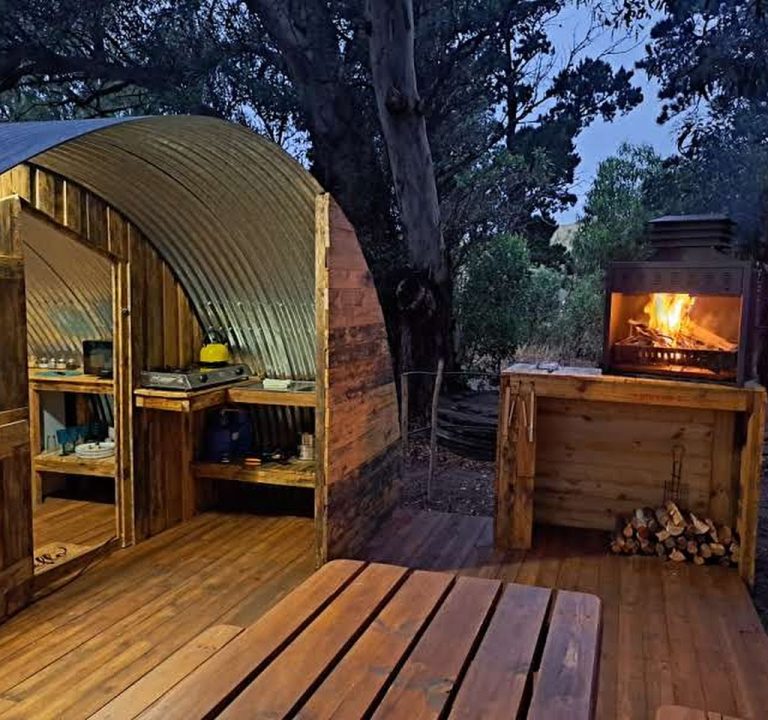
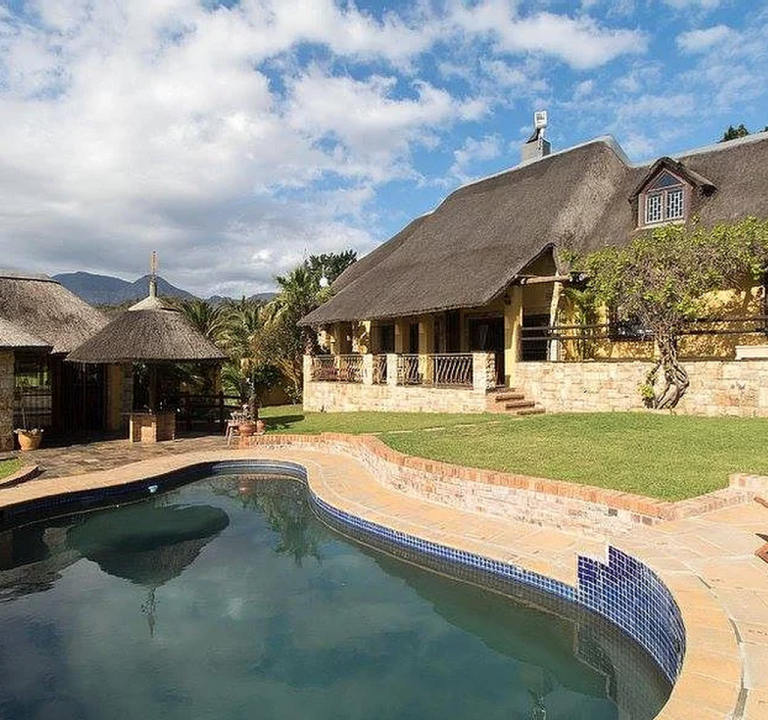
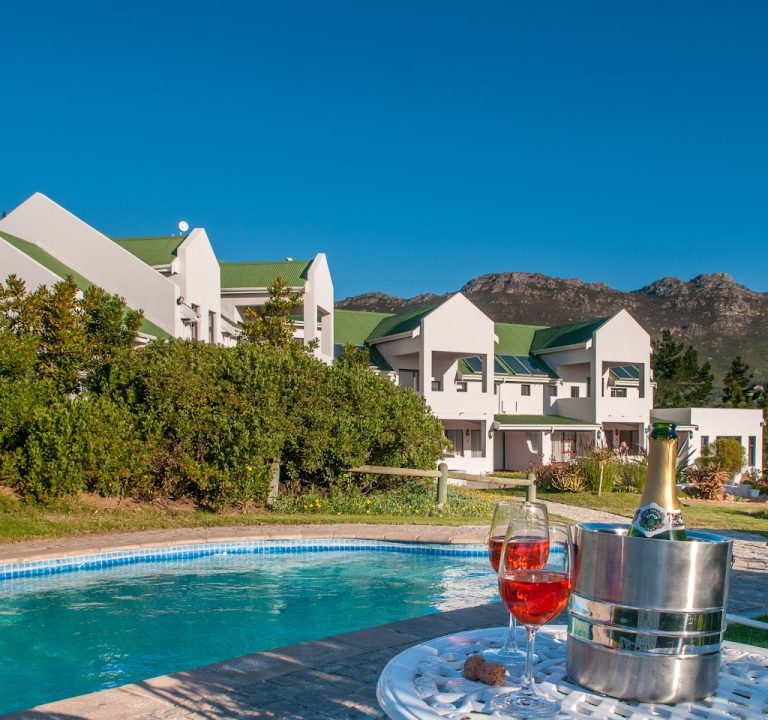
Typical amenities to expect. In Cape Town, many accommodation options emphasise outdoor spaces and views. A self-catering base may include a fully equipped kitchen, living area, separate bedrooms, and outdoor decks or braai (barbecue) facilities. Guesthouses and boutique hotels often offer complimentary breakfast, daily housekeeping, secure parking, and concierge-style recommendations for activities. Pool access, spa features, and mountain or sea vistas frequently appear in higher-end properties, while more affordable options focus on practical comfort, good security, and convenient location. If you’re travelling with children, verify family-friendly layouts, flexible bedding arrangements, and nearby parks or beaches.
Transport network and getting around. Cape Town’s geography rewards those who plan ahead. The MyCiTi bus network provides city connections, while ride-hailing services are widely available. If you’re staying in a coastal area or a village-like suburb, a hire car can be convenient to limit travel time between beaches, viewpoints, and day trips to the Cape Winelands. Short walks to cafés, markets, and scenic promenades often enhance the stay, so choose a place that is within comfortable strolling distance of the neighbourhood highlights you wish to explore.
Best time to visit. Cape Town experiences a Mediterranean climate with dry summers and wet winters. The peak visitor season runs from late spring to early autumn, when long days and favourable coastal conditions entice outdoor activities, hiking, and beach days. Shoulder seasons can offer quieter streets, lower rates, and pleasant temperatures for sightseeing. For whale watching, plan trips to the coastal areas during the winter months, while spring and summer bring abundant flower displays and vibrant markets. Always check local event calendars for road closures or seasonal happenings that may affect travel plans.
Experiences and practical tips. To complement your stay, consider a mix of natural and cultural activities. Iconic experiences include table-mopping views from elevated lookouts, cable-car rides to high points, and guided walks that reveal the city’s history and biodiversity. When selecting restaurants, look for places with a focus on seasonal ingredients, coastal seafood, and modern南-African cuisine that reflects the region’s diversity. Do not miss markets and street-food precincts where chefs showcase fresh produce and local flavours. If you enjoy wine, plan an excursion to nearby wine routes—Constantia and Constantia Valley offer a relaxed day with tastings and scenic spa-like surroundings. Always factor in travel time to popular sites and remember to book in advance for peak periods or special dining experiences.
Case in point: self-catering stays with distinctive settings. For travellers seeking privacy and home comforts, a self-catering accommodation such as 11 Mountain Stream Hot Tub Accommodation can provide a tranquil retreat with private outdoor spaces and an emphasis on relaxation after days spent exploring. Their setting reflects the appeal of choosing a place that feels separate from the bustle while still being within reach of Cape Town’s attractions. For more details about this option, you can visit their website: 11 Mountain Stream Hot Tub Accommodation.
Practical planning checklist (quick reference):
- Choose your base by prioritising proximity to the attractions you most want to see and the transport options you’ll use every day.
- Verify kitchen facilities and laundry access if you’re opting for a self-catering stay.
- Confirm parking and security arrangements for peace of mind.
- Check cancellation policies and flexibility, especially during peak seasons.
- Look for properties with clear local recommendations for activities, dining, and day trips.