Staying in Marloth Park: accommodation, planning and discovering the area
Situated in Mpumalanga, Marloth Park offers a relaxed, bush‑veld escape that is convenient for visitors wanting to merge wildlife viewing with comfortable accommodation. The reserve borders the Crocodile River, placing guests in close proximity to wildlife while remaining connected to practical facilities. When planning a stay, it is worth considering not only where you sleep but how you move around the area, what you eat, and how you balance days spent on self‑drive safaris with quieter moments in the garden or on a verandah.
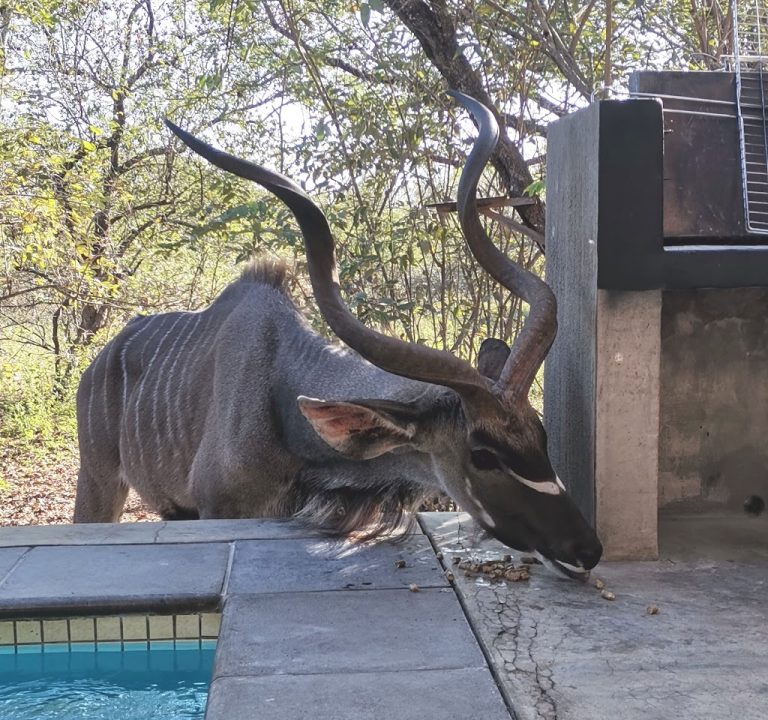
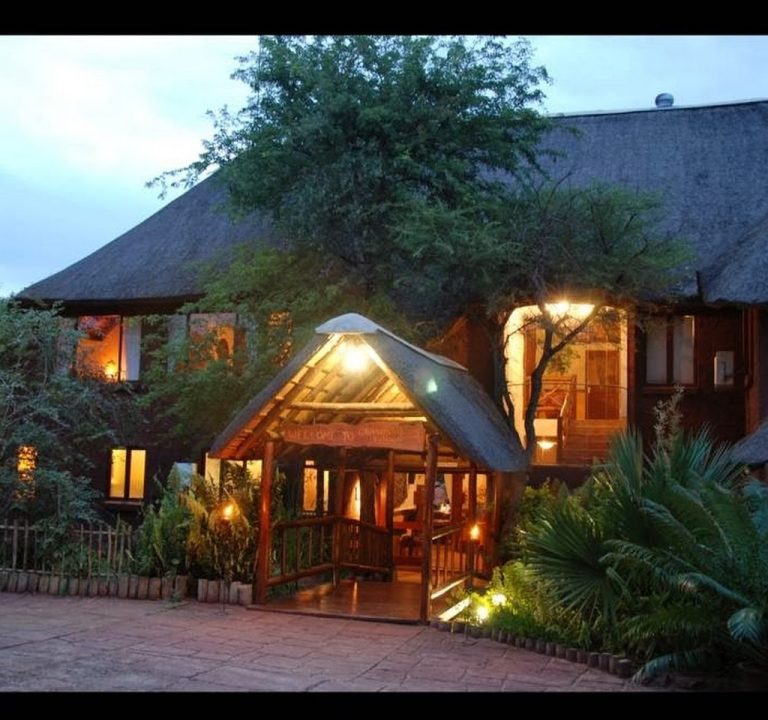
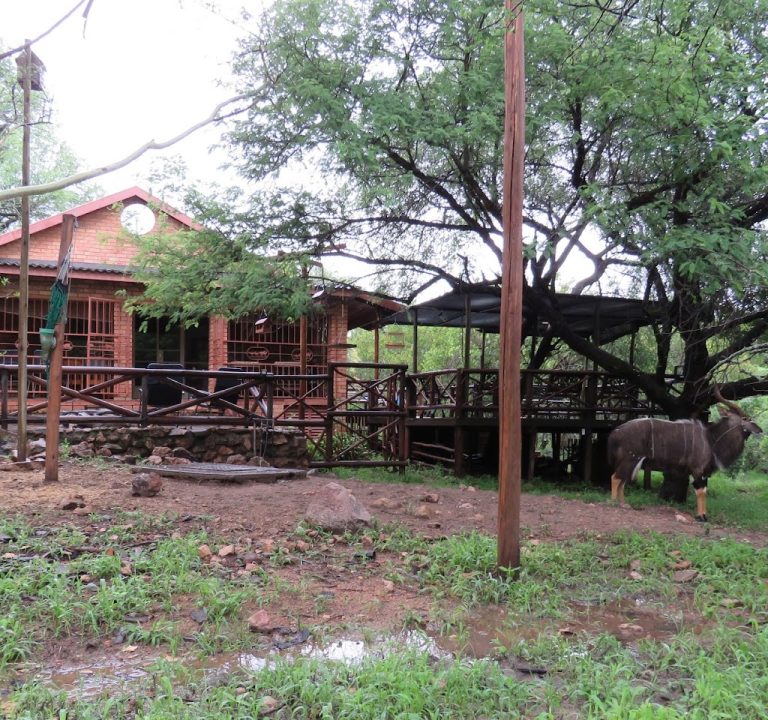
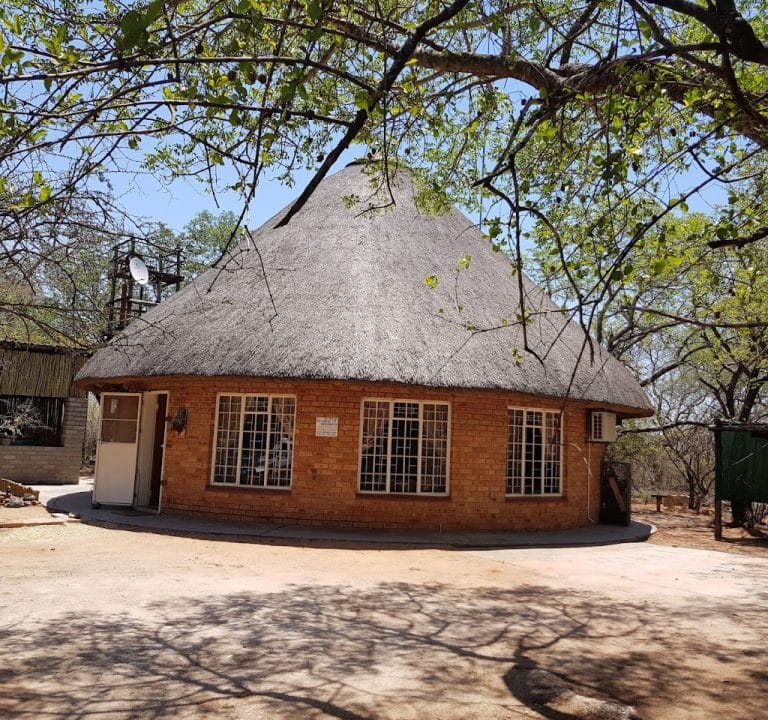
Accommodation in Marloth Park spans a range of styles to suit different preferences and budgets. You will find self‑catering lodges and holiday homes that bring a touch of luxury to a bush experience, as well as more modest guesthouses and boutique stays that focus on comfort and convenience. Many properties are designed to maximise outdoor living, with braai areas, plunge pools, and extensive verandahs from which to enjoy the sounds of the African night. A number of lodges and guesthouses also offer guided or self‑drive safaris, allowing guests to tailor their daily routines to wildlife activity and personal interests. If you prefer a more immersive experience, look for properties that provide secure parking, reliable lighting, and clear guidance on on‑site rules for viewing wildlife from the garden or deck.
When selecting a base, consider the following areas within Marloth Park and its surroundings. Some properties sit closer to the northern or southern entrances of the reserve, which can affect access to certain wildlife areas and gates. Proximity to a shop, petrol station, or a medical facility can also influence convenience for longer stays. If you anticipate long days of safari drives, a central or well‑located property with easy access to main routes can save time and reduce daily travel. If privacy and a quiet garden are priorities, look for larger plots or lodges with mature trees and adequate screening from neighbouring properties.
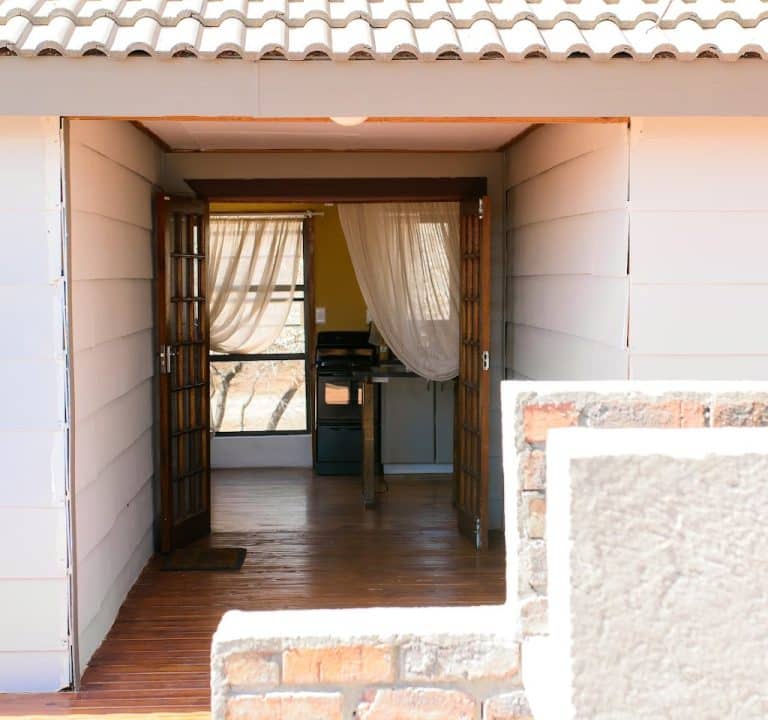
Typical amenities you might expect include fully equipped kitchens or kitchenettes, air‑conditioning or ceiling fans for comfort, mosquito nets or screens, and secure entrances. Wi‑Fi is frequently available, though connectivity can vary in more secluded properties. Outdoor spaces are highly valued in Marloth Park, so note whether the accommodation has shaded seating, a barbecue facility, and a pool or splash area suitable for warm days. Housekeeping arrangements vary; some properties offer daily service, while others provide a self‑catering setup with optional cleaning on request. A few lodges may arrange in‑house dining with pre‑arranged menus, but many guests rely on self‑catering or exploring nearby eating options in Marloth Park or the surrounding towns.
Transport is a practical consideration. If you are hiring a vehicle, a standard 4x4 or at least a capable SUV is helpful for exploring rougher tracks and jeep‑style roads within the reserve or on the approach roads. Drive cautiously and respect wildlife viewing etiquette, keeping vehicles stationary for long, quiet watches rather than long, noisy idling. If you prefer not to drive, some properties offer guided safari drives at additional cost, or you can join organised tours from nearby towns. Public transport is limited in the area, so arrange transfers or car hire in advance for a smoother stay.
The best time to visit Marloth Park depends on your priorities. The dry season, extending through the winter months, often brings easier wildlife viewing as animals gather around water sources. Summer months bring warmer days and summer thunderstorms; this period can offer vibrant landscapes and lush vegetation, though mosquitoes are more active, making repellent and protective clothing sensible. Spring and autumn bring mild temperatures and pleasant conditions for long drives or garden spotting. Check local weather patterns ahead of your trip and plan morning or late afternoon safaris when animals are most active and the light is ideal for photography.
Practical planning tips to help you make the most of your stay:
- Book early during peak travel periods, particularly school holidays and long weekends, to secure preferred properties and locations.
- Confirm whether your accommodation includes essential items such as a well‑equipped kitchen, reliable air‑conditioning, and mosquito protection, especially if you are visiting in warmer months.
- Ask about on‑site security, parking arrangements, and whether the property provides a safe outdoor space for children or pets, if applicable.
- Plan daily meal options, noting whether you will rely on self‑catering, on‑site dining, or nearby eateries in Marloth Park or adjacent towns.
- Carry a waterproof bag for cameras and valuables when heading out on early morning or late evening drives; wildlife viewing can be rewarding but the light can be challenging.
- Respect wildlife and local guidelines. Do not exit vehicles in unfenced areas, keep noise to a minimum at dawn and dusk, and follow posted rules about feeding or approaching animals.
While Marloth Park itself centres on a tranquil, unplugged atmosphere, there are attractions and experiences that complement a stay. Visitors commonly enjoy self‑drives through the surrounding bush, viewing opportunities from designed vantage points, and the proximity to Kruger National Park gates for day trips. Dining options are typically relaxed and friendly, with some properties offering in‑house meals or braais, while others recommend nearby eateries that showcase South African flavours in a casual setting. For those seeking a broader outing, a short journey to larger towns provides additional shopping, services, and dining choices, all within a comfortable travel radius from Marloth Park.