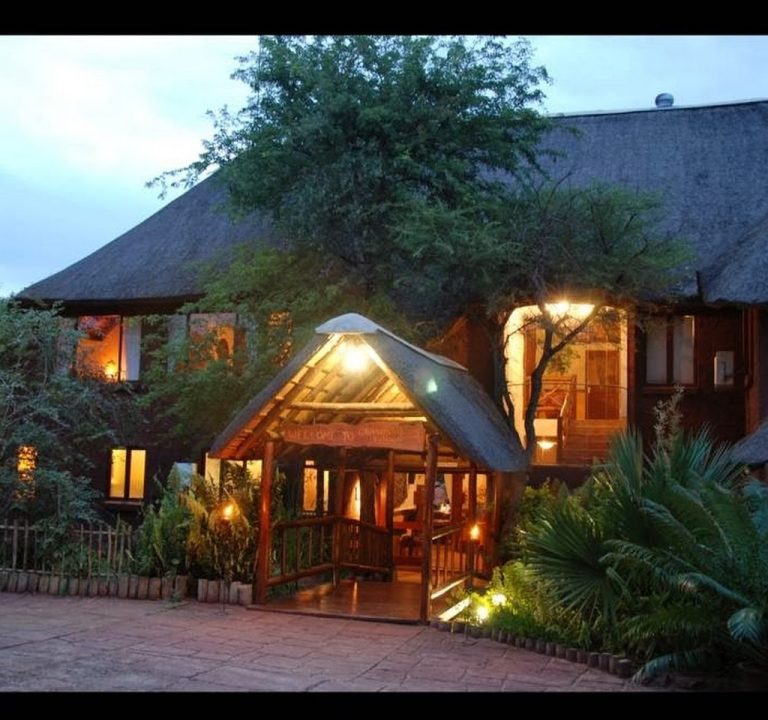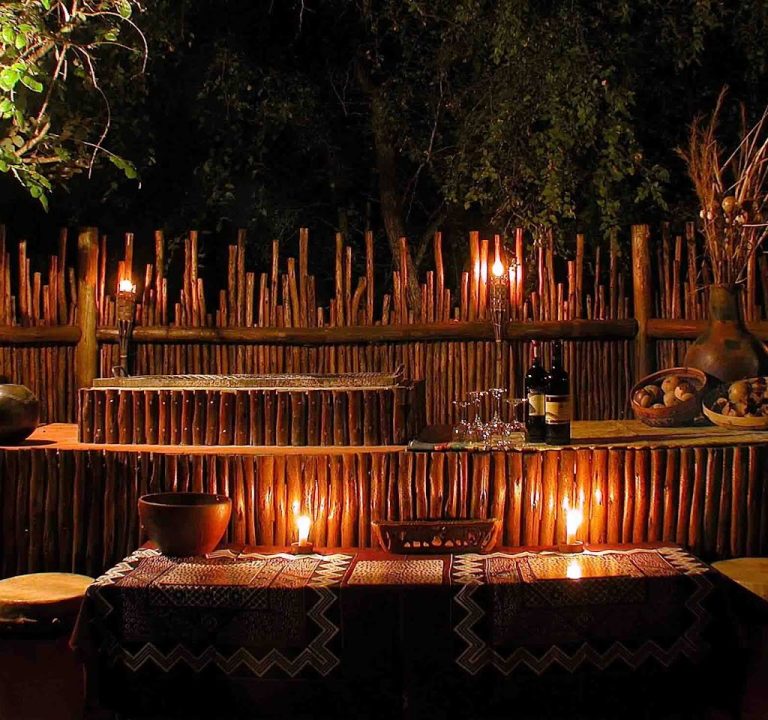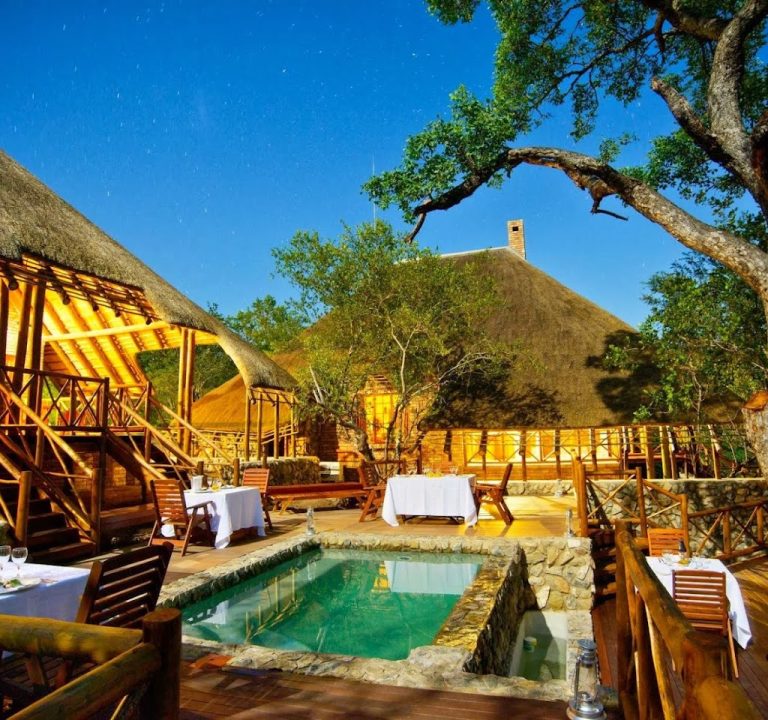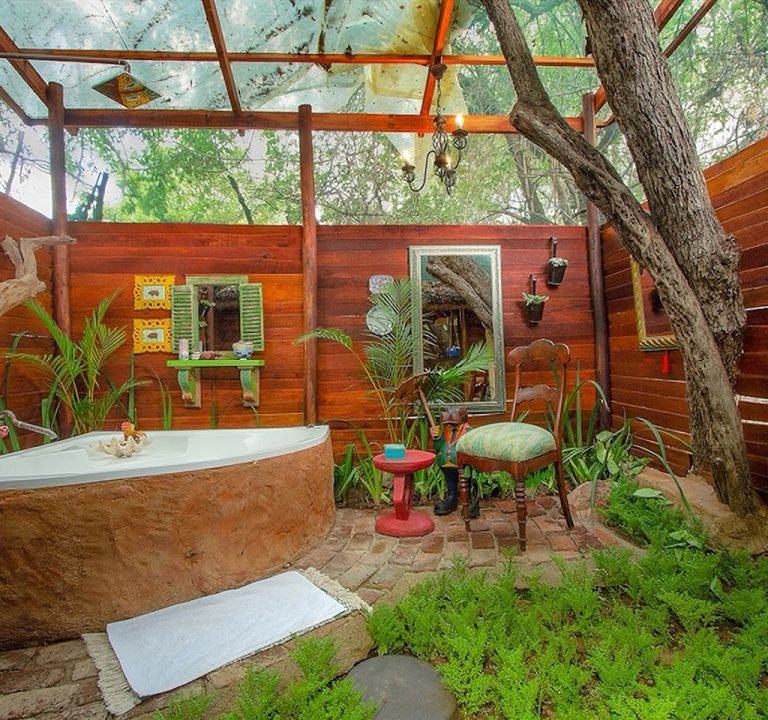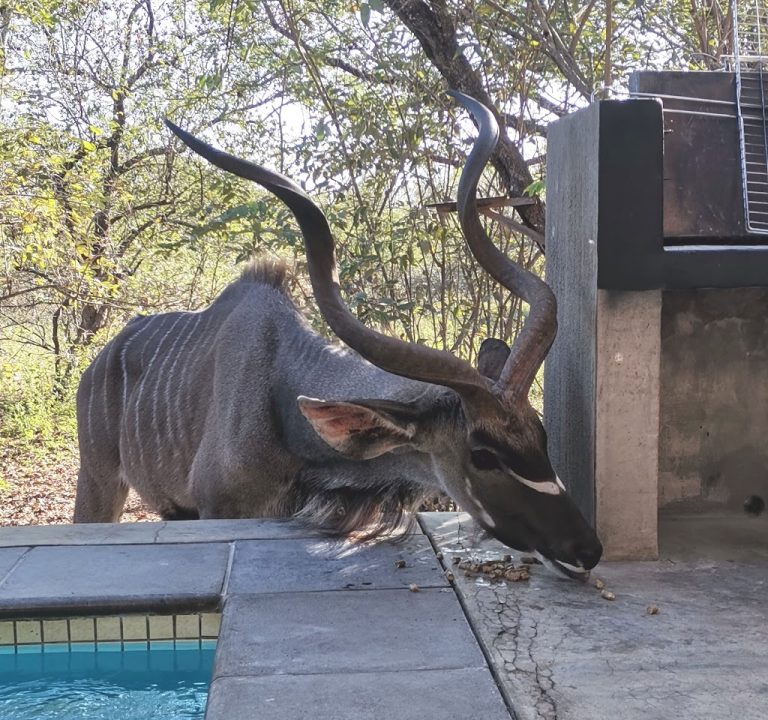
Kruger Willows is a Lodge establishment in Marloth Park, Mpumalanga, South Africa
About Kruger Willows, Marloth Park, Mpumalanga
Kruger Willows is positioned in Marloth Park, a nature-rich enclave in Mpumalanga that sits alongside the iconic Kruger National Park region. The property is described as a retreat aimed at travellers who seek a tranquil base from which to observe Africa’s wildlife and to experience the surrounding subtropical landscape. While the official site is currently inaccessible, the listing suggests a focus on a setting that blends comfort with proximity to nature, inviting visitors to unwind in a leafy, low-key environment that feels removed from the bustle of larger towns.
The essence of Kruger Willows appears to be rooted in a sense of immersion rather than opulence. For guests drawn to the idea of waking up to birdsong, spent afternoons under shaded verandas, and evenings spent with nature as the neighbour, the property presents a straightforward, restful option. The Marloth Park area itself is well known for its wildlife-forward atmosphere, with predators, antelope, and birdlife frequently lending a sense of being on safari without leaving the confines of a private reserve-like setting. Kruger Willows positions itself within this landscape as a doorway to the wider Kruger ecosystem, offering a convenient springboard for excursions and day trips.
In terms of what makes a stay here appealing, the emphasis is on a retreat that supports relaxation and easy access to outdoor experiences. The ambience is described in broad terms as comfortable and nature-oriented, designed for guests who prioritise a peaceful retreat over high-energy tourism. The property’s locale—within Marloth Park—places visitors near the reserve-like environment that Marloth is known for, where animal encounters can often be observed from safer, designated vantage points or private verandas, depending on the specific accommodation layout.
From the information that is publicly linked to the property, Kruger Willows appears to cater to travellers who want a practical, uncomplicated stay rather than a sprawling resort experience. The emphasis is likely on a comfortable, approachable stay that aligns with the rhythms of the South African bush, making it a sensible choice for families, couples, and solo explorers who value accessible wildlife experiences and a supportive base for wider regional exploration.
Because the site is currently unavailable, exact details about accommodation style and on-site amenities—such as the number of units, room configurations, kitchen facilities, pools, or communal spaces—are not stated here. Prospective guests are advised to verify current offerings directly through the property’s website when accessible or by consulting travel platforms that may host up-to-date summaries and guest reviews. General practice for properties in this region suggests options range from self-catering cottages or chalets to apartments or lodge-style rooms, often accompanied by shaded outdoor spaces, barbecue facilities, and shared gardens that encourage a laid-back outdoor lifestyle.
Booking and travel planning for Marloth Park typically benefits from a flexible itinerary and a readiness to engage with a rural, wildlife-oriented environment. For visitors considering Kruger Willows, a practical approach to planning includes arranging a vehicle for self-drive wildlife viewing, budgeting time for flexible day trips into Kruger National Park, and allowing for late-afternoon wildlife observations when animals are most active. The following notes offer general travel guidance that remains applicable even when exact property details are not visible at the moment:
- Check for updated accessibility and directions prior to departure, as access routes can vary with weather and road conditions in the Marloth Park area.
- Prepare for a bush-friendly stay with basic supplies, as on-site shopping options may be limited in immediate proximity to smaller properties.
- Investigate nature-based activities in the wider region, including guided safaris, self-drive wildlife spotting, and experiences that highlight local flora and birdlife.
- Review any published booking policies, such as minimum stay requirements, payment terms, and cancellation windows, to plan with confidence.
- Consider travel insurance that covers outdoor activities and potential changes to itineraries in wildlife-rich destinations.
Nearby highlights—while not explicitly enumerated in the current site content—are typically framed by Marloth Park’s landscape and its access to the Kruger ecosystem. Visitors often seek opportunities to explore diverse habitats, engage with local wildlife from safe vantage points, and enjoy the quiet, expansive skies of Mpumalanga. The area is well known for its accessibility to wildlife-rich reserves, welcoming wildlife viewing from reasonable distances, and the overall sense of stepping into a nature-forward urban escape.
For those planning a stay at Kruger Willows, the best starting point for accurate, up-to-date information is the property’s official website: Kruger Willows. When booking, travellers should be prepared to confirm current room configurations, on-site amenities, and any house rules or policies that might impact a visit. A well-timed booking, coupled with a clear plan for wildlife viewing and regional excursions, can help maximise the experience of Marloth Park’s tranquil setting and its proximity to the Kruger National Park corridor.
Marloth Park
Mpumalanga
1321
South Africa


Marloth Park, Mpumalanga: where wildlife meets comfortable stays and easy adventures
Nestled on the edge of the Kruger National Park ecosystem, Marloth Park in Mpumalanga offers a unique blend of wildlife viewing, tranquil scenery, and relaxed lodge and guesthouse stays. The landscape is characterised by riverine habitats, prolific birdlife and easy access to nearby reserves, making it a popular choice for travellers seeking self-drive safaris, outdoor experiences and a peaceful base from which to explore the Lowveld. Accommodation ranges from malariously peaceful lodges to cosy guesthouses and spacious self‑catering options, many with private pools, braai areas and sunlit verandas to maximise time spent outdoors.
When planning a stay, consider your priorities: proximity to the Kruger gates and Marloth Park’s riverfront areas, the type of sustenance you prefer (self‑catering vs on‑site dining), and how much you value privacy and a garden-orientated setting for wildlife viewing. The best way to structure a visit is to balance days spent in the reserve with laid‑back days at your lodge, where wildlife may roam right through the garden or along the river at dusk.
Accommodation in Marloth Park tends to cluster into areas along the Crocodile River and its approaches, with many properties offering elevated decks, outdoor entertaining spaces and shaded verandas. If you are coming with family or a group, a lodge or large self‑catering house can provide flexible layouts and communal living areas. Those seeking a personalised touch often favour properties run as boutique lodges, which may offer guided activities, ranger-led morning drives or curated itineraries tailored to wildlife sightings.
Typical amenities you will encounter include fully equipped kitchens or kitchenettes, private braai (barbecue) areas, air conditioning or fans for the warmer months, and Wi‑Fi for guests who wish to stay connected. Some properties provide daily housekeeping, satellite TV, and plunge pools or splash pools. Power reliability varies, so it is wise to check whether the lodge has a back‑up generator or battery system for periods of load shedding. On‑site parking, secure access and clear safety guidelines are common features for families and solo travellers alike.
Transport in Marloth Park is generally road‑based. Most visitors arrive by private vehicle or arranged transfers from OR Tambo International or Mpumalanga’s regional hubs. Your stay may involve short drives to access the Kruger National Park’s gates, as well as trips to nearby viewpoints or picnic areas along the river. If you plan self‑drive safaris, ensure your vehicle is in good condition, carry a map or GPS, and observe wildlife from a safe distance. Some properties can arrange guided drives or walking safaris, which provide expert interpretation of animal behaviour and the regional flora.
The best time to visit Marloth Park aligns with the Kruger region’s climatic patterns. The dry season, roughly May to September, often yields excellent wildlife visibility as animals congregate around permanent water sources. However, the shoulder periods of April and October can offer comfortable temperatures and lush scenery following seasonal rains. Pack layered clothing for cool early mornings and evenings, plus sun protection for daytime safaris. Malaria risk exists in this part of Mpumalanga, so consult a travel health professional about prophylaxis and take standard precautions during day and night activities.
When choosing a place to stay, look for several practical aspects. Consider the proximity to the gate you intend to use for Kruger excursions, and confirm whether the lodge offers transfer options or guided drives. Evaluate privacy and noise levels, especially if you are travelling with children or seeking uninterrupted relaxation. If you are a keen wildlife photographer or birder, ask about vantage points and the likelihood of riverfront sightings from the property. Accessibility and inclusivity are also worth checking, with some lodges catering specifically for families, couples, or guests with mobility considerations.
Other useful considerations include the range of dining options. Marloth Park’s lodges and guesthouses commonly provide on‑site or nearby dining arrangements, with many guests enjoying the convenience of self‑catering or semi‑self‑catering formats complemented by occasional lodge meals. You may find a few restaurants and informal eateries within easy reach, primarily offering casual fare and light meals. For a broader culinary spread, plan a day trip to nearby towns where a wider choice of restaurants and cafés is available, and reserve ahead if you’re visiting during peak periods.
Practical tips for a smooth stay:
- Inspect the property’s security arrangements and ensure you understand any wildlife rules posted on site.
- Bring essential supplies, including insect repellent, sunscreen and a suitable hat for sun protection.
- Pack comfortable walking shoes for outdoor paths and riverbank trails.
- Check the property’s policy on generators and power outages, and plan for meal times accordingly.
- Respect wildlife distances, keep vehicle doors closed when stopping to view animals, and avoid feeding or approaching animals.
For a concrete example of the types of accommodation available in Marloth Park, consider properties that offer a blend of lodge‑style service and self‑cuffing convenience, often located in peaceful gardens with easy access to the river. An example of such a property is a lodge that emphasises an authentic Lowveld experience and guest comforts, including social spaces, outdoor living areas and guided activity options. Their official site provides further details on accommodation types, facilities, and how to plan a stay in Marloth Park. You can learn more about this kind of option at the following link: Kruger Willows Lodge.
In terms of attractions, Marloth Park serves as a relaxing gateway to the Kruger National Park’s ecosystem. Visitors typically enjoy river views, wildlife sightings from the safety of verandas, sunrise or sunset drives arranged through lodges, and opportunities for guided or self‑guided nature walks. For dining and casual evenings, expect a model of relaxed lodge hospitality, with the option to dine in house or at nearby eateries depending on the day. While Marloth Park itself is primarily a base for experiencing wildlife and the surrounding landscape, the broader Mpumalanga region offers additional trails, viewpoints and cultural experiences that can enrich your itinerary without straying far from your planned accommodation.
Sorry, no records were found. Please adjust your search criteria and try again.
Sorry, unable to load the Maps API.
Why Claim Your Listing?
Claiming your listing on the B&B Finder directory website is a valuable opportunity for business owners. Here are five reasons why you should consider claiming your listings:
Control Over Business Information: By claiming their listing, business owners can ensure that all the information presented is accurate and up-to-date. This includes details such as contact information, address, pricing, and available services or amenities. Accurate information helps prevent customer confusion and improves overall satisfaction.
Enhance the Listing: Once a listing is claimed, owners can enhance it by adding more comprehensive information and rich media, like high-quality photos and videos. These additions can make the listing more attractive and engaging to potential customers, thereby increasing the likelihood of bookings.
Marketing Opportunities: Claiming a listing can also open up additional marketing opportunities. Owners may be able to participate in promotional campaigns, special offers, and other marketing activities organized by the directory. This can increase visibility and attract more customers to the business.