Accommodation and Experiences in Marloth Park, Mpumalanga
Nestled beside the Kruger National Park and bordered by the Crocodile River, Marloth Park in Mpumalanga offers a rare blend of wildlife encounters and comfortable, lodge-style stays. Visitors come for the bushveld ambience, the sounds of hippo at night, and the easy access to one of South Africa’s greatest safari regions. The area is characterised by secluded bungalows, self-catering lodges, and larger family-friendly retreats set within wooded enclosures that keep you close to nature while still providing home from home conveniences.
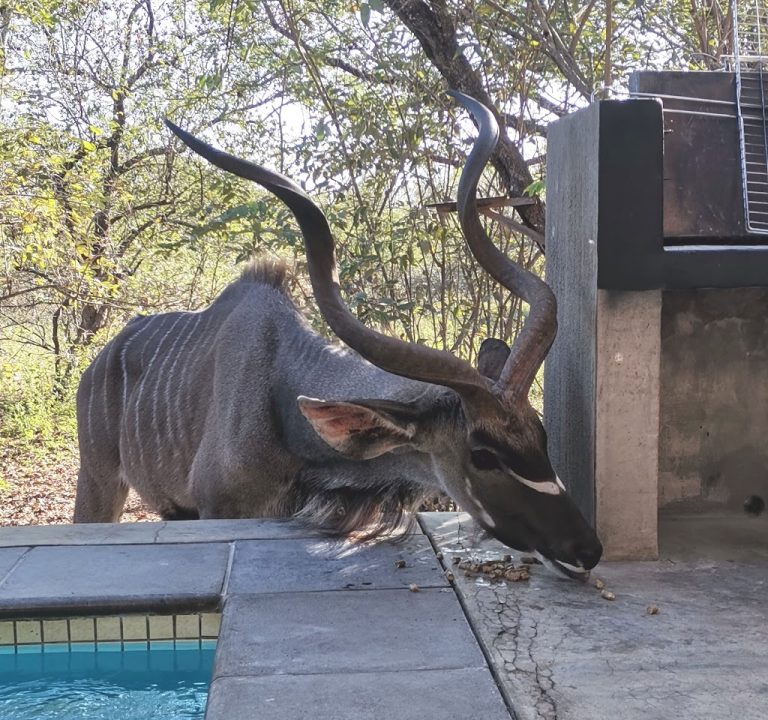
When planning a stay, think about the layout of Marloth Park and how you want to move around. The region is practical for self-drive days and guided game drives, with most lodges offering friendly tips and on-site hosts who can tailor activities for families, couples, or group getaways. Because the area is spread over a large, green expanse, many accommodation options are semi-rural and designed to blend into the bush, with verandahs or decks overlooking waterholes and natural habitats that attract abundant wildlife.
Accommodation choices range from intimate safari lodges to larger, self-catering houses. A central consideration is the proximity to animal viewing spots and access to the main gates or entrances to nearby reserves. Some properties are inland and tucked into leafy streets, while others are perched closer to the river, offering a stronger chance of viewing nocturnal activity. Look for features such as outdoor seating areas, well-equipped kitchens, secure parking, and reliable hot water and climate control, which are particularly valuable during warmer months or cooler evenings.
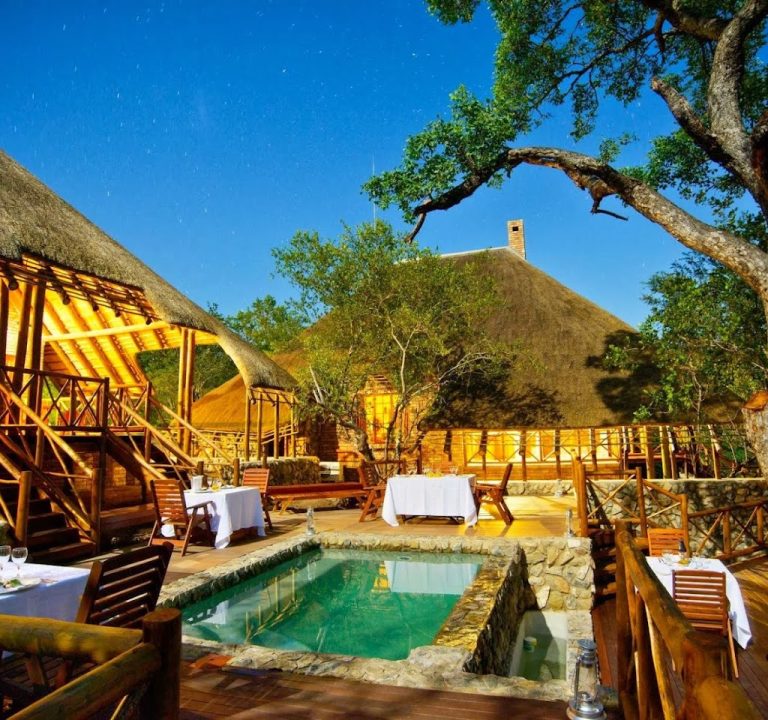
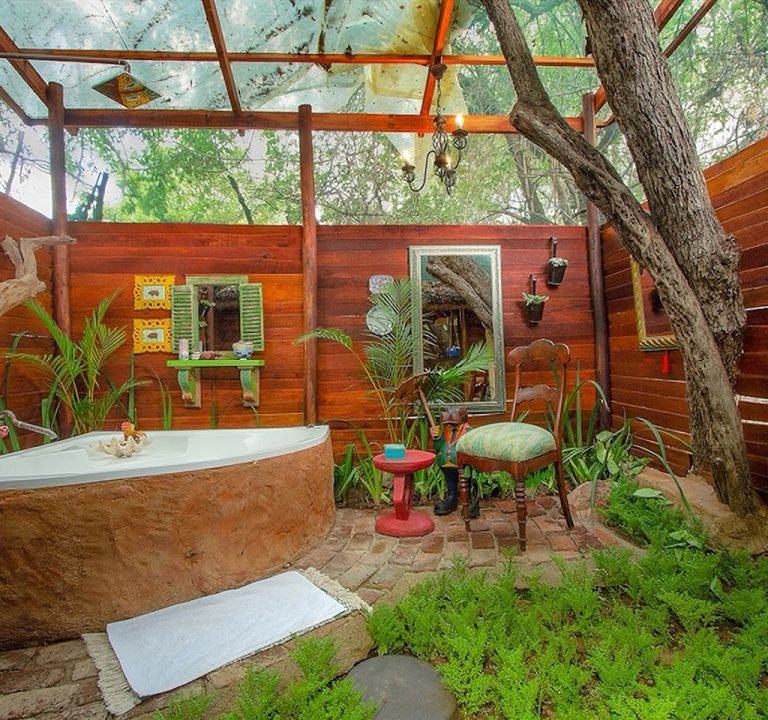
Typical amenities you may encounter include private or shared outdoor spaces, barbecues or braai facilities, mosquito nets, ceiling fans or air conditioning, private pools or plunge pools, and flexible check-in arrangements. A reliable Wi-Fi connection can be important for families staying with children or travellers who wish to stay connected while enjoying the outdoors. For those seeking pampering after a day on safari, some lodges offer spa services on site or arranged visits to nearby spas, which can be a welcome touch after a long day of exploring.
Practical planning tips help you maximise your Marloth Park stay. Consider how you will move around: many properties rely on self-driving for freedom, though guided excursions can be arranged through hosts or local operators. Plan your daily excursions around sunrise or late afternoon, the cooler windows when wildlife is most active. If you are visiting in peak dry season, waterhole sightings are often rewarding, so staying close to a water source can enhance your wildlife viewing. For rainy periods, ensure your vehicle has appropriate clearance and that your accommodation offers covered parking or secure spaces during storms.
Best time to visit Marloth Park aligns with the broader Kruger region. Dry season, typically from May to September, tends to offer excellent wildlife viewing as animals gather around water sources. However, the shoulder seasons can provide lush scenery and quieter roads, making it a good choice for those seeking a more intimate experience without the crowds. Be mindful of local weather patterns and heat—summertime can be hot, so air conditioning or fans are helpful and early morning activities are particularly pleasant.
Transport within Marloth Park is straightforward for guests with their own vehicle. Most lodges provide ample, secure parking, and many offer transfer options or help organising guided tours. If you plan to visit Kruger National Park, you’ll want to confirm what the lodge can arrange in terms of day trips or park access. Self-drive explorations escape the rigid timetables of large tours and allow you to pause for spontaneous wildlife sightings or a sunset drink on a deck with a view of an inland waterhole.
Restaurant and dining options in Marloth Park are generally low-key and informal, with many lodges offering in-house meals or self-catering facilities. It’s common to find guests cooking on braais (barbecues) and sharing meals with fellow travellers in communal spaces. For alternatives, some lodges are near small village hubs or wildlife-centric eateries where a relaxed meal can be had after a day of exploring. While Marloth Park itself is more about the safari experience than fine dining, the area benefits from a variety of simple, well-run eateries and lodges that aim to provide nutritious, hearty options suitable for families.
Popular nearby highlights, in general terms, include access to expansive wildlife areas, guided bush walks, and opportunities to learn about the ecology of the savannah and riverine habitats. Visitors often enjoy early-morning game drives, afternoon safaris, birdwatching, and sunset viewpoints. For those seeking a little luxury within a safari setting, some lodges offer spa or wellness facilities, private guides, and curated experiences that suit couples or discerning travellers.
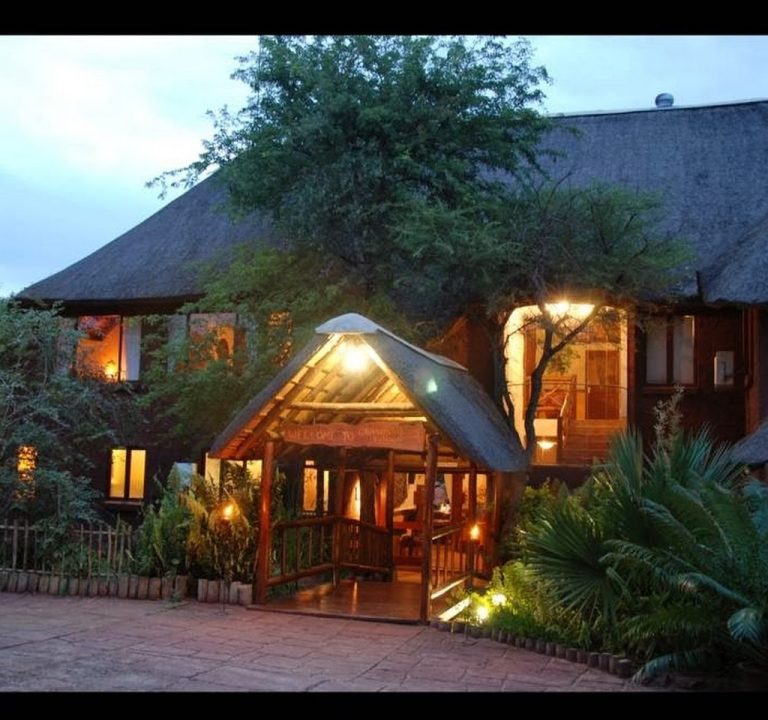
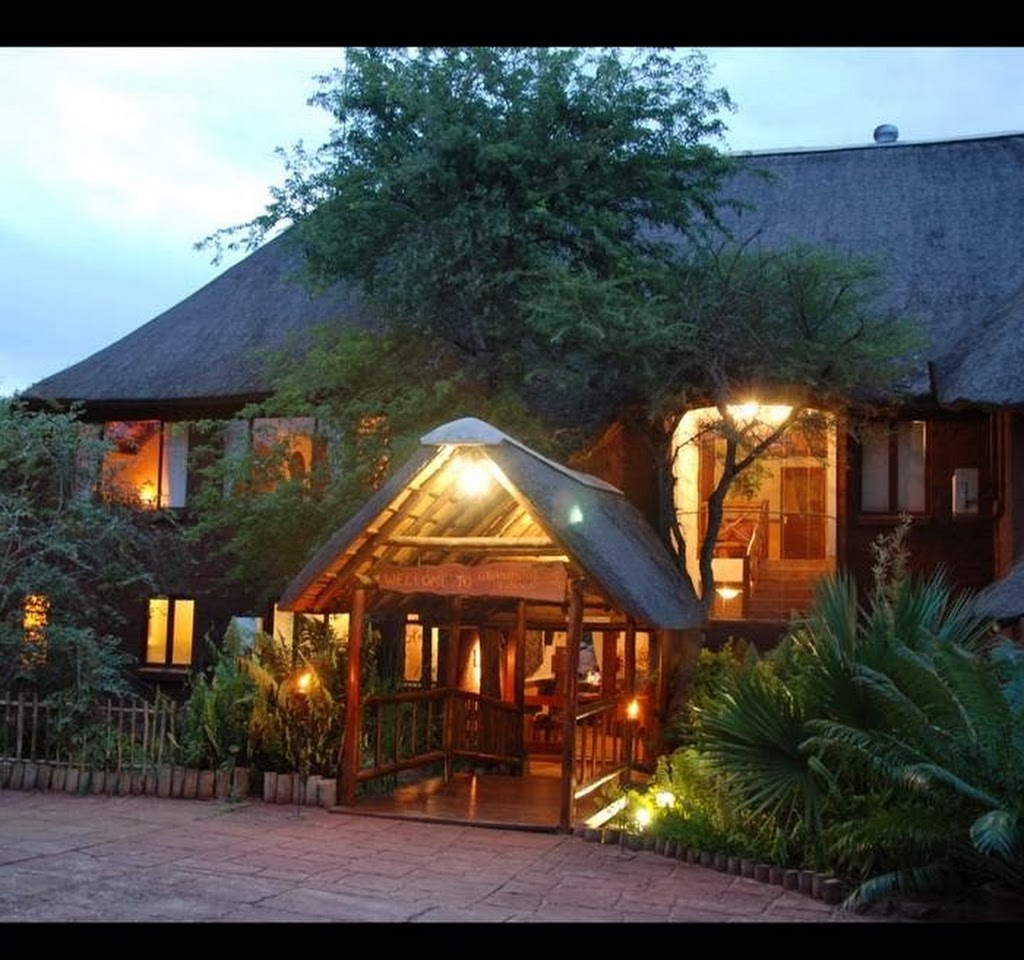
Accommodation example: Grand Kruger Lodge and SPA offers a lodge-based experience that combines relaxed comfort with proximity to Kruger’s vast landscapes. For more information, you can visit the lodge’s website at Grand Kruger Lodge and SPA.
- Consider what you want from your stay: self-catering versus included meals
- Check the proximity to waterholes and main viewing spots
- Confirm vehicle parking and accessibility for your group
- Ask about guided options, including safaris or night drives
- Look for practical features: insect protection, laundry facilities, and reliable climate control
Whether you are seeking a cosy bush retreat or a more expansive lodge experience, Marloth Park provides a practical base from which to explore Mpumalanga’s wildlife corridors. With thoughtful planning, your stay can balance comfortable accommodation with unforgettable wildlife moments, easy access to Kruger’s acclaimed landscapes, and a relaxed pace that makes for a truly memorable South African bush holiday.