Staying in Marloth Park, Mpumalanga: accommodation, planning and local highlights
Marloth Park is a leafy, wildlife-friendly escape on the edge of the Kruger National Park, where self-catering lodges, guesthouses and family-friendly retreats sit alongside shaded riverine corridors and open savannah. The key to a satisfying stay is choosing a base that suits your pace, whether you want easy access to wildlife viewing, comfortable comfort after long days on safari, or a quieter spot from which to explore the Mpumalanga countryside. The following guidance helps you plan a well-rounded visit, from where to stay to when to go and what to anticipate on the ground.
When selecting accommodation, consider how much time you plan to spend on site and what your priorities are. Marloth Park is divided into several curving streets and small clusters that weave through should-be wildlife corridors. Some lodges offer direct access to private or seasonal game-viewing decks, while others emphasise communal spaces and guided activities. If you prefer self-catering convenience, look for properties with fully equipped kitchens, outdoor braai areas, and reliable water and power supplies. For families, child-friendly features such as secure perimeter fencing, separate sleeping areas, and straightforward self-catering setups can make a big difference to everyone’s holiday rhythm.
Typical amenities to expect include air conditioning or ceiling fans, sufficient seating and dining spaces, clean en-suite bathrooms, and practical outdoor spaces for al fresco meals. Some properties provide game-viewing equipment, binoculars, or guided walk arrangements with rangers. If you’re planning long days out on wildlife drives, consider lodges with comfortable lounges, quiet corners for reading, and good shading to retreat from the heat during peak midday sun. Wi‑Fi tends to be variable in remote areas, so manage expectations if you rely on constant connectivity. Always check back-up power options in case of load shedding, which can affect heating, lighting, and refrigeration in self-catering homes.
Planning your route and transport is another core consideration. Marloth Park sits near the borders of the Kruger National Park and is accessible by road from Nelspruit (Mbombela) and other Mpumalanga towns. A private vehicle is usually the most convenient option, giving you the flexibility to move between different areas, waterholes, and viewpoints at your own pace. If you are visiting during peak wildlife activity periods or school holidays, allow extra time for gates, park rules and potential delays at common entry points. For guests without a car, some lodges offer airport transfers or local shuttle options, but always confirm availability and costs in advance.
Best time to visit Marloth Park aligns with your wildlife interests and comfort. The dry season, typically from May to September, tends to offer clearer wildlife sightings as animals gather around water sources. Expect cooler mornings and warm to hot afternoons. The summer months bring occasional afternoon thunder showers, lush landscapes, and abundant birdlife. If you’re keen on photography, plan dawn or dusk sessions when the light is soft and animals are most active near water. Regardless of season, mornings and late afternoons are usually the most rewarding times for safari-style viewing on foot or by vehicle, often from a safe distance under park regulations.
Practical planning tips help you get the most out of Marloth Park. Pack layers for variable temperatures, a hat and sunscreen for sun exposure, and sturdy footwear for short walks through the surrounding bush. Always heed wildlife safety guidance from your hosts or guides, keep a respectful distance from animals, and store food securely to avoid unwanted visits by curious creatures. If you intend to explore Kruger-related experiences, check whether your accommodation can assist with guided day trips or close-by park access times, as entry rules can vary by gate and season.
Dining and local experiences in Marloth Park tend to be informal and nature-forward. While on-site dining may be limited to communal kitchens or braai facilities, there are often nearby options offering basic meals, light snacks, or the chance to arrange a personalised outdoor barbecue beneath the stars. Many guests enjoy self-catering as well as occasional visits to nearby eateries or lodges that host sundowner decks, offering relaxed settings to reflect on a day spent in the bush. For a broader taste of the region, you can plan day trips to neighbouring towns or conservation-focused experiences that emphasise wildlife viewing, birdwatching, or guided bush walks.
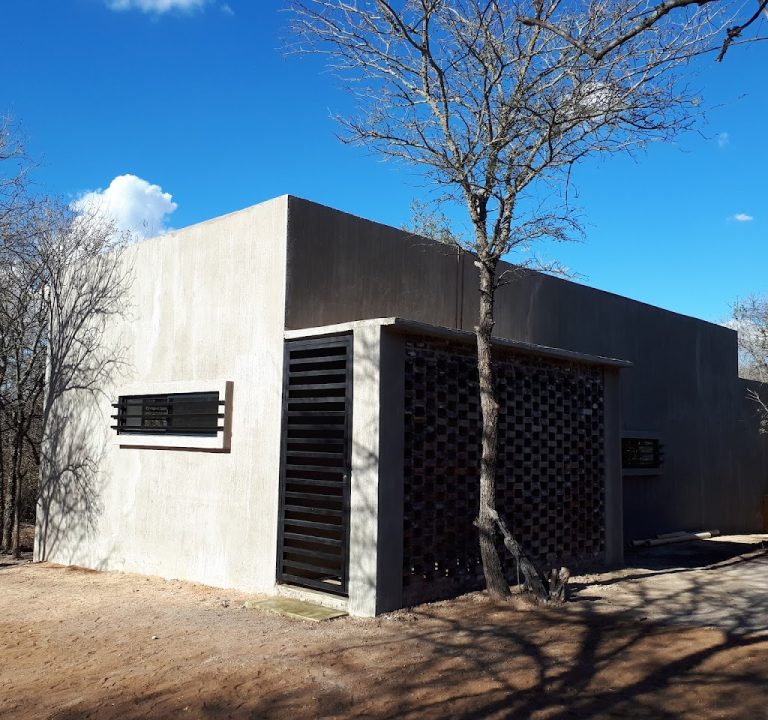
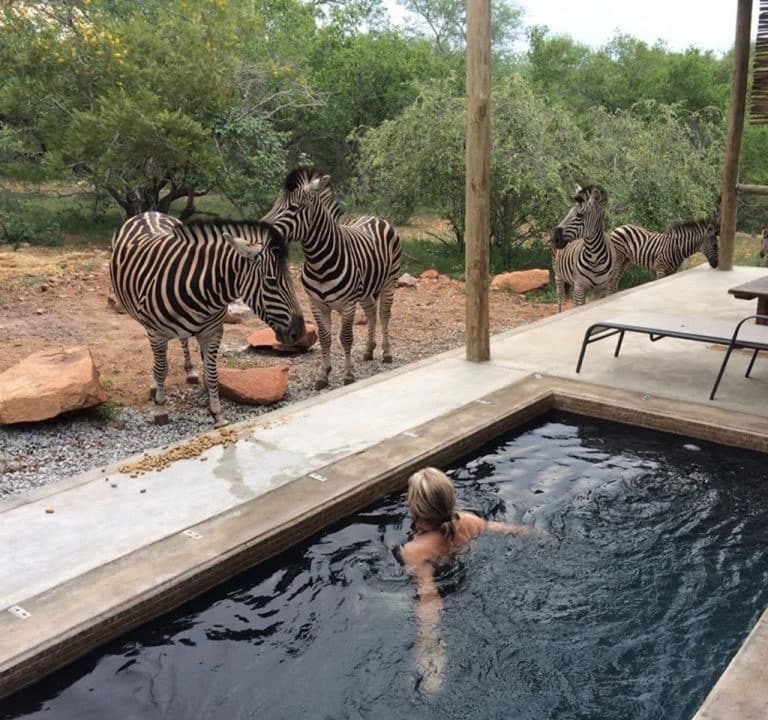
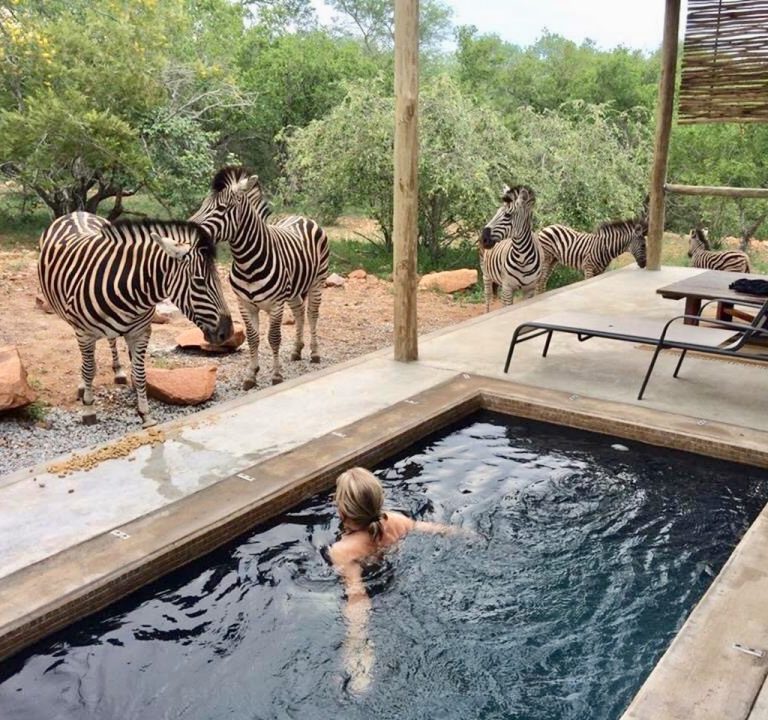
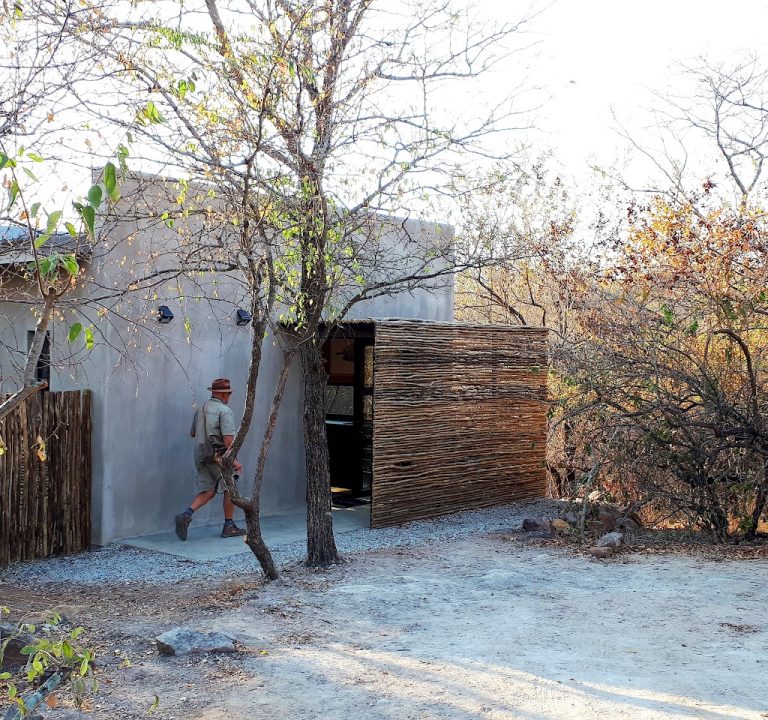
Accommodation options to consider, including a self-catering example such as Ochre House, provide a sense of what to expect. Ochre House, listed as self-catering, offers a versatile base with a focus on comfortable, independent living in Marloth Park. For more information and planning, visit the property’s website at Next Door Kruger. Always read recent guest reviews and confirmation of essential details such as available on-site facilities, parking arrangements, and access to water and electricity before booking.
- Look for clear photos and accurate room layouts
- Check for proximity to river or wildlife viewpoints
- Confirm gate access times and any park-entry requirements
- Ask about back-up power and water supply in case of outages
- Ask hosts about guided walks, safaris, or arranged activities
In summary, Marloth Park offers a relaxed, nature-forward base for discovering Mpumalanga’s wildlife-rich landscape. By choosing the right area, verifying essential amenities, planning transport and timing, and balancing self-catering convenience with opportunities for guided experiences, you can craft a memorable stay that makes the most of both the tranquillity of the bush and the accessibility to Kruger’s iconic landscapes.