Marloth Park, Mpumalanga: A Practical Guide to Accommodation and Things to Do
Nestled beside the Kruger National Park’s southern reaches, Marloth Park in Mpumalanga offers a unique blend of wildlife-on-your-doorstep appeal and relaxed self-catering options. Visitors come for close encounters with nature, versatile住宿, and easy access to iconic safari country while staying in comfortable, self-contained units that suit families, groups, or couples seeking a restorative break. The area is known for its residents-only feel, with many properties blending into the leafy bushveld and offering excellent wildlife viewing from the comfort of a private deck or courtyard.
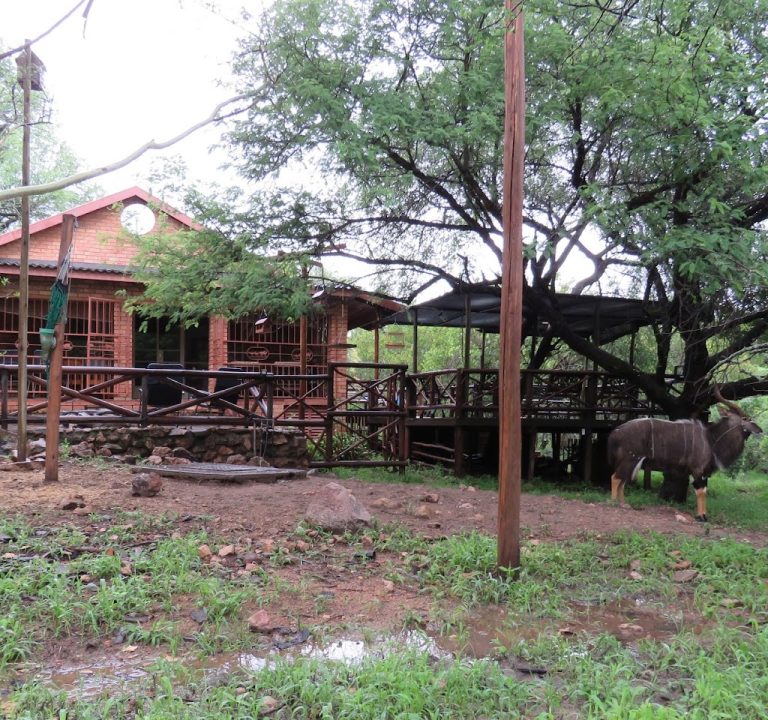
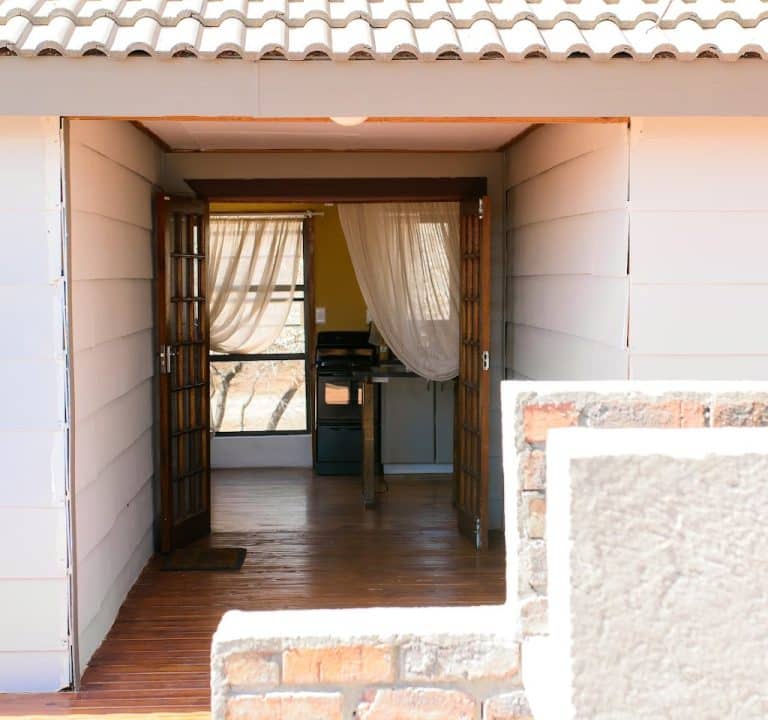
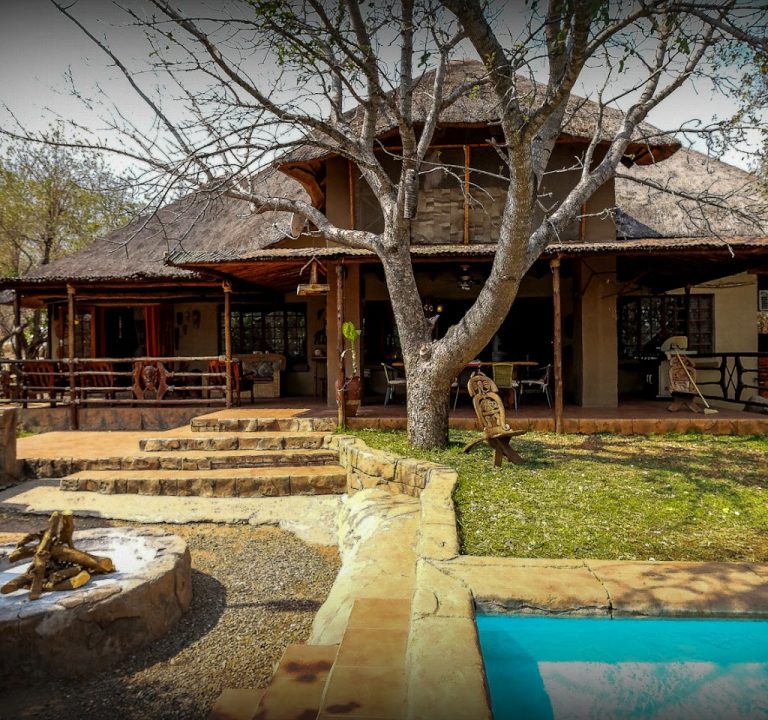
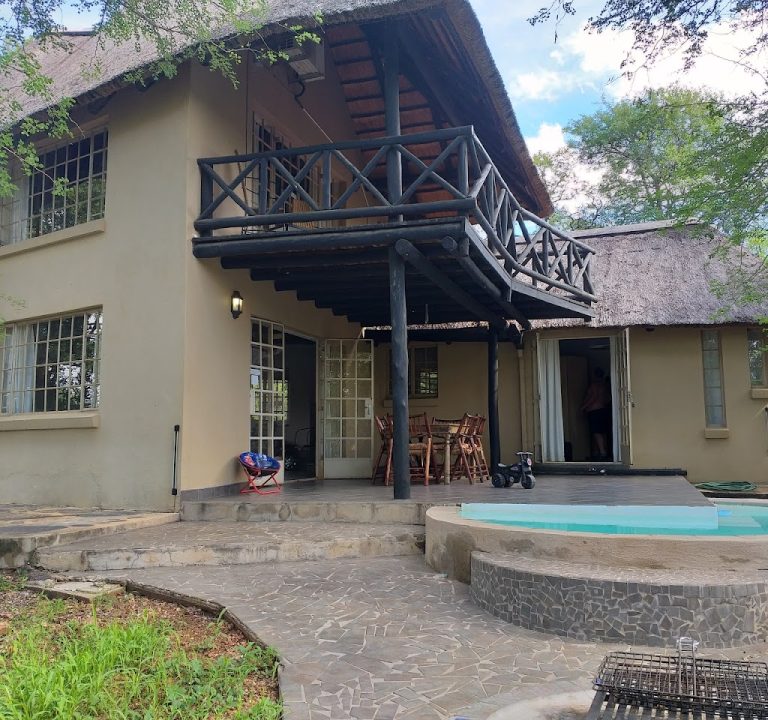
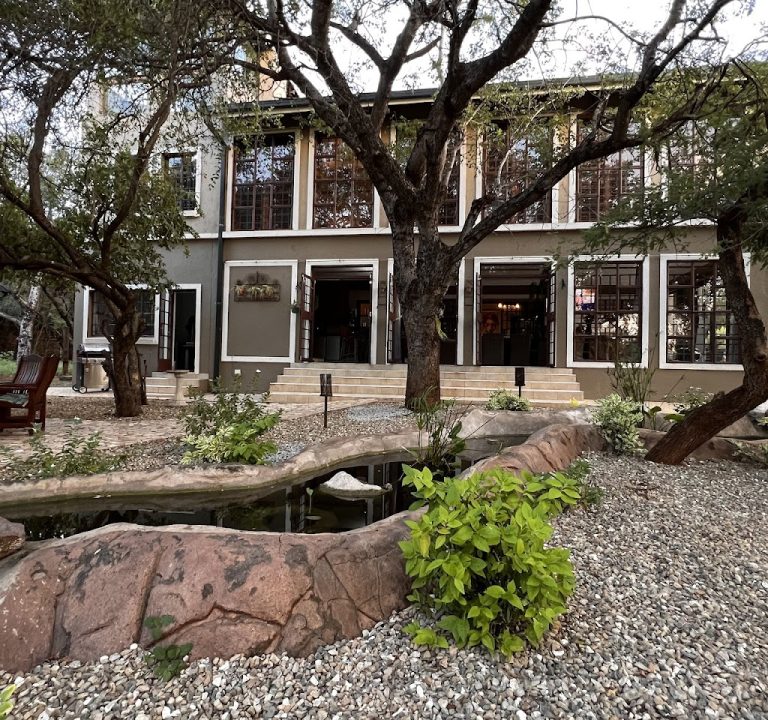
When planning a stay, consider the layout and surroundings of your chosen base. Marloth Park is split into zones around the river and along gravel roads that wind through the bush. Central areas tend to be convenient for accessing communal facilities, while river-adjacent spots offer the classic riverine landscape and improved chances of seeing visiting elephants, antelope, and a variety of birdlife from your veranda. Self-catering homes, bush lodges, and gated villas are common, with some properties offering private pools, braai areas, and fully equipped kitchens. A Milkwood Guest House stay, for example, demonstrates how self-catering accommodation can provide space, privacy, and a home-from-home feel while you explore the region (website: http://milkwoodguesthouse.com/).
Typical amenities to look for include a private veranda or balcony with wildlife-friendly railings, air conditioning or ceiling fans, reliable kitchen facilities, a safe parking space, and clear guidance on on-site rules to protect the surrounding habitat. Check whether supplied linen, towels, and cleaning services fit your plans, and whether there is a backup power option during occasional outages. For families, assess the suitability of travel cots or extra beds; for couples, a cosy kitchenette and a secluded outdoor seating area can make a big difference to the stay experience.
Transport arrangements are worth planning in advance. Marloth Park is best accessed by road from nearby towns with several gate crossings into Kruger National Park nearby. Many guests arrange self-drive safaris, combining long days behind the wheel with downtime back at their accommodation. If you plan day trips to Kruger or other wildlife reserves, verify access points and driving times for your chosen route. About half the appeal of Marloth Park is the ability to step outside and observe wildlife at dawn or dusk, so consider staying somewhere with clear access to outdoor living spaces and minimal external noise.
Best time to visit Marloth Park spans the year, but the winter months (May to September) offer drier conditions, easier wildlife viewing, and more comfortable day temperatures. The summer wet season (roughly October to April) brings lush scenery and louder birdlife but can reduce visibility and lead to heavier afternoon showers. Early mornings and late afternoons are often the most rewarding for wildlife photography and quiet animal sightings, regardless of season. Pack versatile clothing for variable weather, sturdy footwear for bush walks, and a compact binocular kit to enhance your viewing opportunities from your accommodation or a game-viewing area nearby.
Activities and experiences in Marloth Park are designed to be low-key and nature-forward. In general terms, guests can expect opportunities such as guided game drives or self-guided safaris in adjacent protected areas, river viewing from safe points, birdwatching, and relaxing evenings around a braai. For those seeking a broader outing, day trips to Kruger National Park gates and associated picnic spots are a popular option, with many operators offering logistical support or basic guidance from your host. Dine-out possibilities exist in nearby towns, where you can sample local cuisine in relaxed settings, with informal eateries and bakery-style cafés contributing to a casual, traveller-friendly dining scene.
Booking tips help ensure a smooth stay. Look for properties with clear house rules, transparent cancellation policies, and explicit inclusions such as power, water, and cleaning arrangements. Consider the size and layout of the property in relation to your group, and confirm whether pet policies, if applicable, are suitable for your plans. Check access to the property after dark, as wildlife movement near roads and properties can be more active at dusk. If you value flexibility, choose a host who offers practical local guidance, maps, and tips on gate times, best viewing spots, and safe routes for evening strolls.
- Define your priorities: self-catering convenience, proximity to the river, or a private outdoor space.
- Check connectivity and power arrangements for longer stays.
- Ask about wildlife safety guidelines and any restrictions on feeding or disposal of food.
- Plan day trips in advance, including Kruger Gate access hours and potential wildlife-viewing routes.
- Pack for mixed weather and versatile activities—sturdy footwear, sun protection, and binoculars.
With careful planning, Marloth Park offers a wilderness-forward escape that combines the comforts of self-catering accommodation with the thrill of Africa’s wildlife heritage. Whether you step out onto your veranda for a dawn chorus, or embark on a day trip to a nearby Kruger entry point, the region rewards curious travellers with authentic landscapes, wildlife sightings, and a relaxed, friendly atmosphere that makes you feel right at home in the bush. For accommodation ideas and practical planning, exploring a few different options in Marloth Park’s zones can help you find a setting that matches your pace, budget, and style of stay.