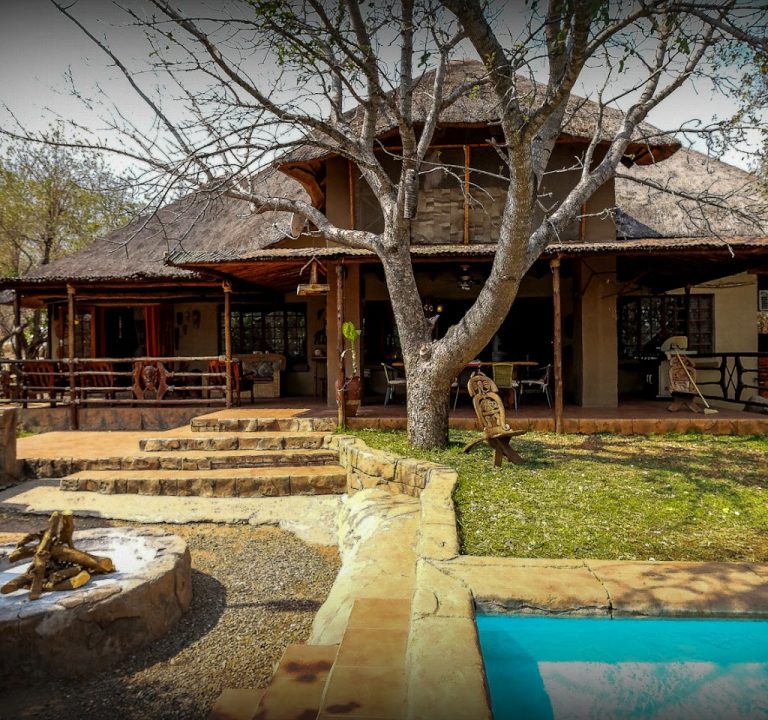
Accommodation and Visitor Guide to Marloth Park, Mpumalanga
Situated on the edge of the Kruger National Park corridor, Marloth Park offers a unique blend of wildlife-rich landscapes and relaxed lodge-style hospitality. The area is known for its natural appeal, with a network of private lodges, guesthouses and self-catering villas set among riverine forests and spacious savannahs. A stay here typically combines easy access to wildlife viewing with the comforts of well-equipped accommodation, making it a popular choice for visitors seeking an immersive South African safari experience without the crowds of larger reserves.
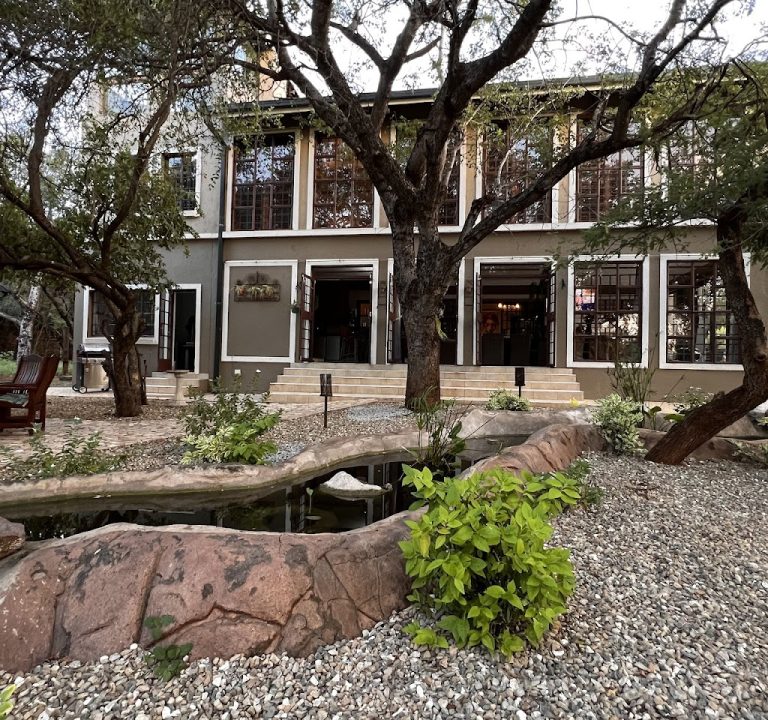
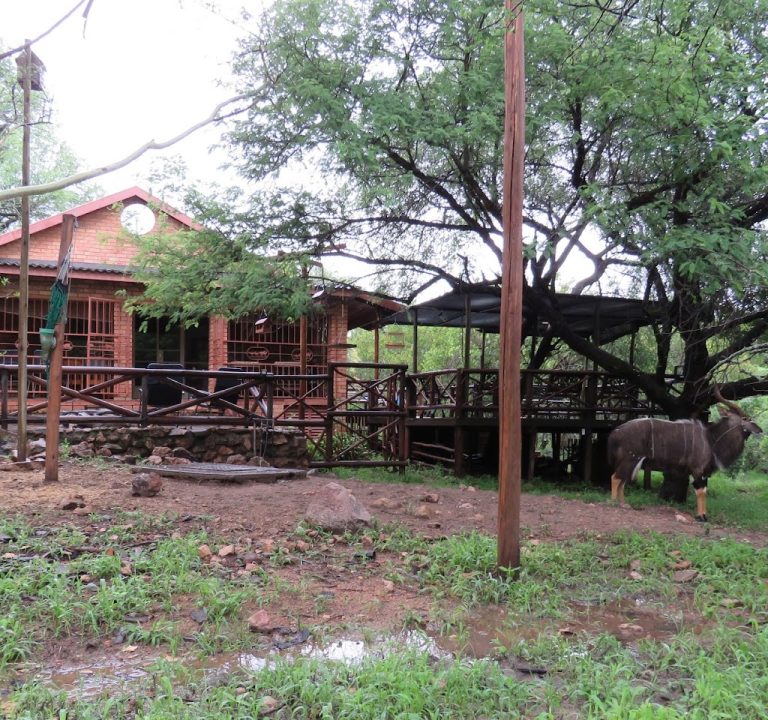
When selecting a place to stay, consider the surrounding environment and the type of experience you want. Marloth Park comprises several distinct zones, each with its own character. Some properties are nestled in dense bush, offering a cabin-style or villa setup with private decks and outdoor areas. Others are on the edge of open spaces with wider views and more direct access to common wildlife sightings. If you are travelling with children or want flexibility for self-catering, look for properties that provide fully equipped kitchens, outdoor braai (barbecue) facilities, and safe exterior spaces. For a more intimate retreat, private lodges and small guesthouses can deliver personalised service and a quieter setting.
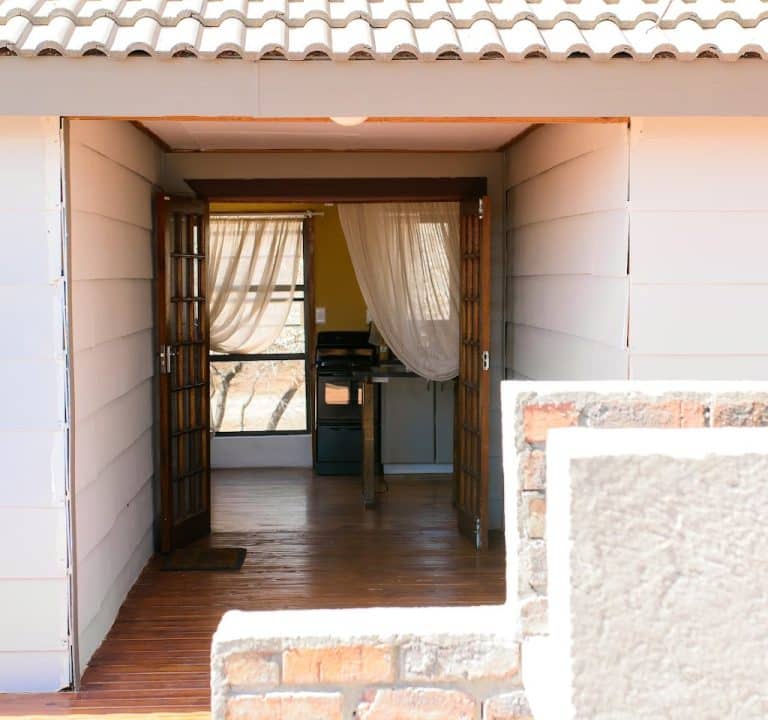
Typical amenities across Marloth Park properties include guided game drives or organised wildlife safaris, swimming pools, and outdoor living areas designed to maximise outdoor enjoyment. Many lodges offer air-conditioned bedrooms, Wi‑Fi, and in some cases satellite television. It is common to find spacious living areas, interconnecting rooms for families, and covered patios with bush views. If you are planning a longer stay or travel with a group, a self-catering villa or suite with a fully equipped kitchen, lounge, and multiple bedrooms can be more economical and convenient than multiple hotel rooms.
Transport in and around Marloth Park is typically informal and vehicle-based. A private vehicle is the most convenient option for accessing the reserve gates, going on self‑drive safaris, and moving between leisure facilities. Some lodges offer airport shuttles or arranged transfers from major hubs, but guests should be prepared to hire a vehicle if they want the freedom to explore on their own schedule. Roads within Marloth Park are generally well maintained, but conditions can vary, particularly after heavy rain. It pays to check whether your chosen accommodation provides secure parking or night-time security for your vehicle.
Best time to visit Marloth Park aligns with wider Mpumalanga weather patterns. The dry season, from late May to September, tends to offer clearer wildlife sightings as animals congregate around remaining water sources. It is also a comfortable period for al fresco dining and long zebra and antelope-watching drives. The summer months bring bursts of colour and warmth, with a higher chance of rain and more lush vegetation. This can be excellent for those who enjoy birds and green scenery, but it may affect road visibility and drive times. Pack adaptable clothing, sun protection, and a light rain layer for variable conditions. In the shoulder seasons, you may encounter fewer crowds while still enjoying good wildlife viewing opportunities.
Planning your stay around activities that complement a bush experience is key. Marloth Park’s broad appeal lies in its proximity to wildlife-rich habitats rather than large urban attractions. Expect to enjoy self-guided or guided wildlife viewing from private decks, verandahs, or vehicle safaris. Most guests organise morning and late-afternoon game drives or river walks, which offer chances to spot elephants, giraffes, antelope, and a variety of birdlife. Some properties also arrange night drives or bush dinners, subject to local regulations and safety considerations. For a well-rounded trip, combine days in Marloth Park with day trips to nearby natural areas or the Kruger precinct, taking care to plan travel times and gates opening hours.
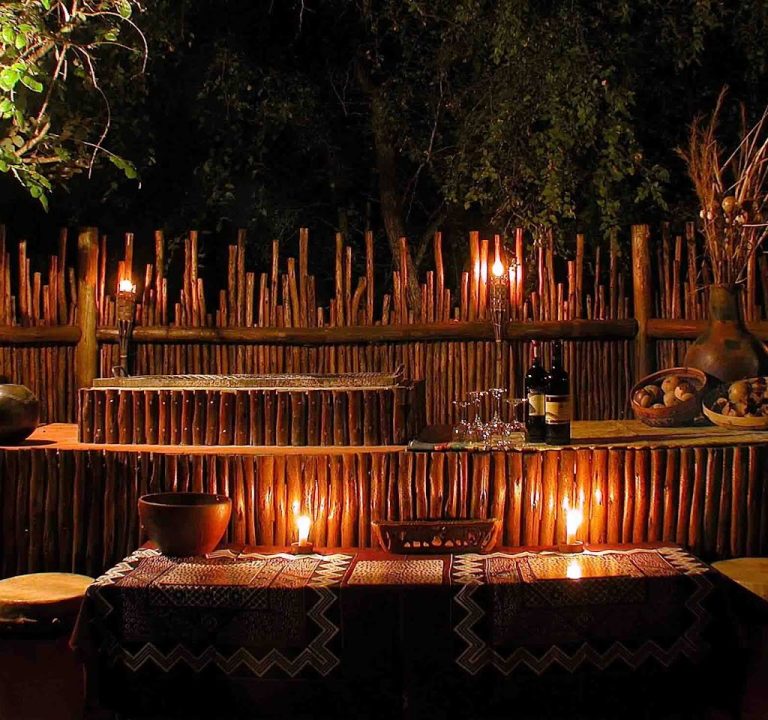
Food and dining are central to the Marloth Park experience. Lodges often provide meals on-site, ranging from full-board packages to self-catering options. If you prefer eating out, there are a handful of guest-friendly dining venues within easy reach, though selections can be more limited than in larger towns. Many guests opt to utilise their accommodation’s kitchen facilities for freshness and convenience, with local markets offering seasonal produce and meat. When available, recommendations from hosts or guest reviews can guide you to seasonal specials or animal sightings at nearby spots, all while ensuring a relaxed, safe evening in a bush setting.
Practical tips to help you plan a smooth stay:
- Book in advance during peak safari season and school holidays, as properties fill quickly.
- Request a ground-level unit with a verandah or pool area for easier wildlife observation from your accommodation.
- Confirm the availability of air conditioning or fans for hot afternoons, and a reliable kitchen if you plan self-catering.
- Clarify gate access, security arrangements, and the recommended driving routes for safe travel within Marloth Park.
- Check if a property offers guided activities or assists with arranging home-style meals to enhance your stay.
For those researching accommodation such as the Les 3 Marulas category hotels, consider how each option aligns with your travel style and budget. Read guest reviews to gauge reliability, cleanliness, and the responsiveness of hosts or management. If you are curious about the area, many properties maintain links to local tourism information or partner with nearby reserves to provide an authentic, well-coordinated visit. Basic steps—deciding on your preferred area within Marloth Park, matching your amenities needs, and budgeting for transportation—will help ensure your stay is comfortable and memorable.
Ultimately, Marloth Park offers a relaxed, intimate backdrop for wildlife enthusiasts and families alike. With thoughtful planning, your accommodation can act as a welcoming base for daily wildlife experiences, restful downtime, and convenient access to the tranquil beauty of Mpumalanga’s bushveld.
More information and booking options can be found on dedicated travel sites or the respective property pages through the general Marloth Park tourism network. For broader context, consider exploring nearby natural attractions and representative dining experiences to plan a well-balanced itinerary that respects the environment and supports sustainable tourism.