Planning a Stay in Cape Town: Where to Stay, What to Look For, and How to Make the Most of Your Visit
Cape Town is a city of contrasts, where dramatic natural scenery meets vibrant streets, world-class dining, and a tapestry of neighbourhoods each with its own character. Whether you’re seeking fresh Atlantic air, easy access to iconic viewpoints, or a place close to markets and eateries, a well-chosen base can transform your trip. This guide covers accommodation options, practical planning tips, and a flavour of attractions and experiences you can expect to enjoy during a stay in the Western Cape’s premier city.
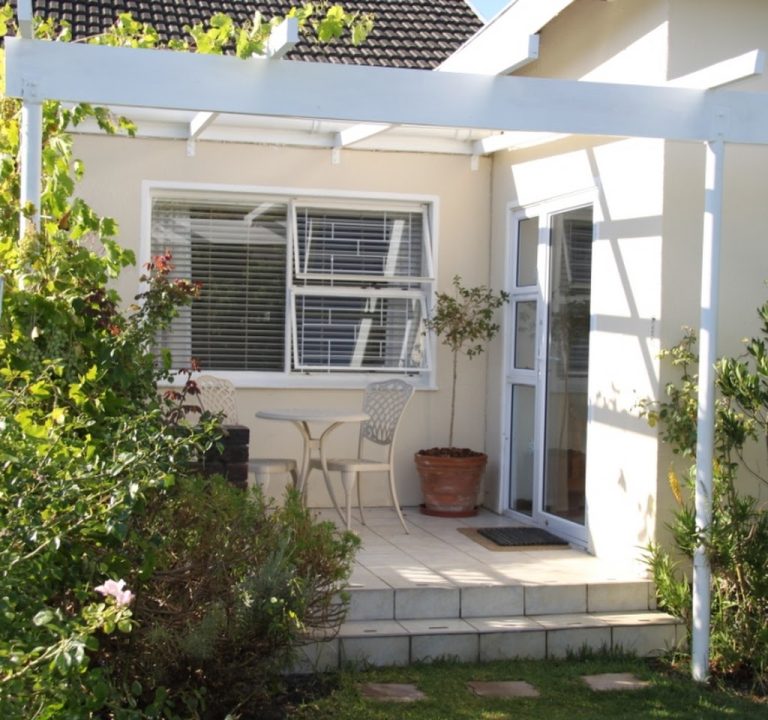
Accommodation options in Cape Town span boutique B&Bs, guesthouses, well-appointed hotels, and self‑catering apartments. Each category tends to cluster in certain areas, so your choice will influence daily rhythms, transport needs, and the pace of sightseeing. City Bowl and the central Atlantic Seaboard offer convenient access to business districts, museums, and a lively dining scene. Green Point and V&A Waterfront provide a buzz near harbour walks and popular attractions, while Camps Bay and Clifton bring a beachside atmosphere and spectacular sunset views. For a more residential feel with pristine mountain air, the Southern Suburbs—including places with easy access to Constantia and Kirstenbosch—can be a good base for slower days and day trips.
When booking, consider a few practical factors. Proximity to transport links is invaluable: Cape Town’s MyCiTi bus network and urban rail can help you reach the mountains, coastal routes, and the city centre without relying on a car. If you plan longer day trips along the Atlantic Seaboard or to the Cape Winelands, a guesthouse or apartment with parking or easy access to taxi routes can save time. Noise levels matter in popular districts, especially near nightlife hubs or market areas, so check room positions and soundproofing if you are a light sleeper. Many hosts and hotels offer flexible cancellation policies, which can be a wise option for a city stay where weather, events, or flight schedules can shift plans.
Typical amenities vary by type, but there are common features that most guests appreciate. A well-equipped kitchen or kitchenette can be a lifesaver for travellers who want to savour a relaxed breakfast before heading out to explore. Free or paid Wi‑Fi is standard across most properties, supporting remote work or travel planning on the go. A comfortable bed and good room lighting are essential for rest after long days of sightseeing. Some properties offer extras such as communal lounges, rooftop terraces with city or ocean views, and curated recommendations for local experiences, restaurants, and markets. If you’re pursuing wellness as part of your trip, look for spaces that advertise a calm environment, easy access to yoga studios, and wellness facilities nearby. A wellness-focused option is Life Retreat Studio, which provides a venue for practice nearby the city’s nature trails and urban parks (see website for details: http://www.liferetreat.co.za/).
Food and drink are central to Cape Town’s experience. When choosing a base, you might want convenient access to a mix of casual eateries, markets, and finer dining. The city is known for its markets, cafes, and restaurants that celebrate regional produce and global influences. Rather than focusing on specific venues, you can plan to explore areas where several eateries cluster, enabling you to sample different cuisines without long detours. The surrounding regions also offer day trips to vineyards and coastal towns, where a relaxed lunch or early dinner can complement a day of hiking or sightseeing.
Top areas to consider for your stay:
- City Bowl and Central City: easy access to museums, theatres, and a walkable urban landscape.
- Atlantic Seaboard (Sea Point, Green Point, and Camps Bay): a blend of coastal views, promenade strolls, and beach rituals.
- V&A Waterfront: harbour setting with easy access to boat trips and waterfront attractions.
- Southern Suburbs (Constantia, Bergvliet, Wynberg): quieter, leafy streets and views of the mountain range.
Best time to visit Cape Town depends on your priorities. Summer (December to February) brings long days and lively outdoor scenes, but it’s also peak season. Autumn (March to May) and spring (September to November) offer milder weather, fewer crowds, and excellent conditions for hiking and coastal walks. Winter (June to August) brings cooler, wetter weather, but it can be ideal for wine country tours and cosy city explorations when indoors activities and food scene shine.
Practical tips to help you plan smoothly. Pack comfortable walking shoes for hills and uneven streets, and carry a light jacket for coastal breezes. If you hire a car, be mindful of parking availability in busy areas and the occasional tight street geometry in historic neighbourhoods. For days spent on the coast, sunscreen and a hat are essential, even when the sky looks bright. Always check property policies regarding self-catering, shared spaces, and access to common facilities, as these can vary considerably. Map out a rough itinerary that balances a few must-see spots with time to wander markets, coffee shops, and viewpoints. If you’re aiming to connect with local wellness or yoga communities, look for accommodation that sits close to studios or parks, allowing you to mix practice with scenic walks along the Atlantic coast or up Table Mountain’s foothills. A stay that combines restful mornings, easy access to nature, and a handful of shared spaces for social moments can offer a well-rounded Cape Town experience.
In short, Cape Town rewards guests who blend thoughtful preparation with flexible plans. By choosing a base that suits your pace and interests, you’ll enjoy easier access to exquisite scenery, a thriving food and arts scene, and the chance to unwind in spaces designed with traveller comfort in mind. For more information on wellness-focused stays or to explore nearby studios and experiences, visit recommended local resources and partner sites that focus on sustainable travel and memorable South African hospitality.