Accommodation and Alongside Cape Town: Where to Stay and What to Do
Cape Town, perched between the Atlantic Ocean and the surrounding mountains, offers a diverse mix of neighbourhoods, styles of lodging and a wealth of experiences for every traveller. When planning a stay, consider how you want to balance easy access to sights with a sense of place. Whether you favour a boutique guesthouse, a stylish lodge, or a self-catering apartment, the city has options to suit most budgets and rhythms of travel. A well-chosen base can transform a visit from a quick whistle-stop tour into a relaxed and immersive experience.
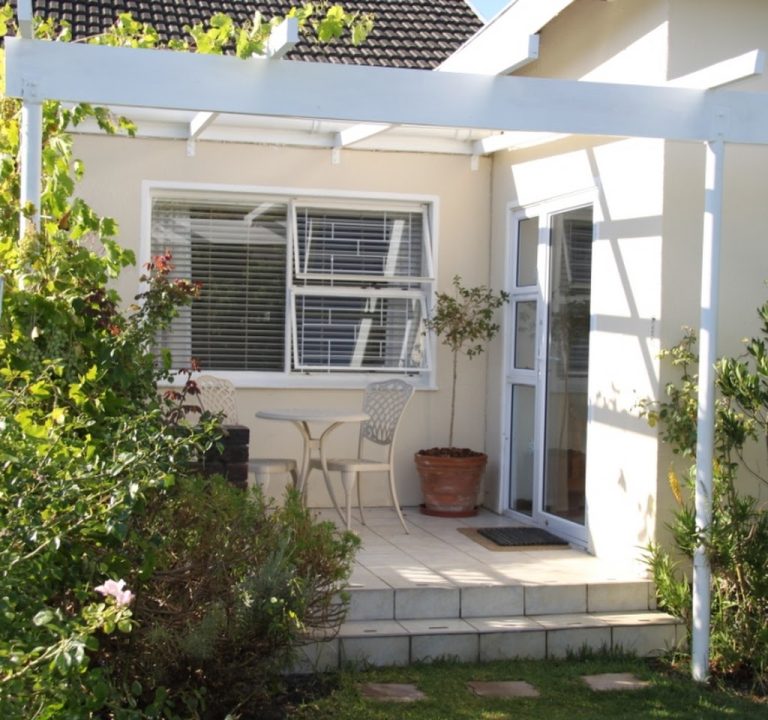
One practical starting point is to select a neighbourhood that aligns with your itinerary. The city centre and the V&A Waterfront area are convenient for first-time visitors who want compact, walkable days and straightforward access to public transport. For those chasing scenic views and a more tranquil pace, the Atlantic Seaboard—think Camps Bay, Clifton, or Sea Point—offers sunsets, coastal walks, and airier boulevards. The Constantia Valley and Constantia Uitsig region provide leafy tranquillity with easy access to wine estates and mountain trails. For a taste of authentic neighbourhood life, stay in Green Point, de Waterkant, or the bohemian precincts near Woodstock and Salt River. Erinview Guest House, for example, represents an indoor lodging option that emphasises a comfortable, home-like environment within reach of central sights and access routes.
When you book, focus on several practical details. Room configuration and bed quality matter after long days of exploration. Check whether the property offers en-suite bathrooms, reliable heating or air conditioning, and adequate blackout curtains for restful sleep. In coastal or higher-altitude locations, a sturdy building with good insulation makes a noticeable difference. Wi‑Fi stability is often essential for travellers balancing downtime with work or streaming while away. If you plan to cook occasionally, a well-equipped kitchenette or access to shared cooking facilities can be a real convenience. Look for secure access, on-site parking if you’ll hire a car, and helpful front-desk hours that align with your travel timeline.
Transportation is another key consideration. Cape Town is served by MyCiTi buses, trains, authorised tour operators, and ride-hailing services. A stay with easy access to a main route or station can save time and reduce dependence on taxis. If you’re self-driving, confirm parking arrangements and whether there are any height or access restrictions in the building or compound. For longer stays, you might prefer a place with laundry facilities and longer-stay options such as apartment-style units or guesthouses that offer flexible durations.
The best time to visit Cape Town largely depends on what you want from the trip. The summer months (roughly November to February) deliver long days, beach-friendly weather, and lively street life, but can be busier and pricier. Autumn (March to May) and spring (September to November) offer pleasant temperatures for hiking and sightseeing with generally fewer crowds. Winter (June to August) brings cooler weather and the chance of rain, yet the city still has cultural events and indoor attractions that can be enjoyed. Pack layers: mornings and evenings near the coast can be chilly, while afternoons may warm up quickly in the sun.
Where to stay is only part of the plan. Cape Town’s attractions span natural scenery, historic sites, and cultural experiences. The iconic Table Mountain is best reached by cable car or by a network of scenic hikes, with weather driving access. The Cape Peninsula provides dramatic coastal drives, penguin viewing at Boulders Beach (outside peak season times and access conditions vary), and scenic viewpoints along Chapman's Peak. The Constantia Valley offers verdant hillsides, fine wine, and elegant farms, while the City Bowl provides museums, markets, and a vibrant dining scene. The V&A Waterfront area is ideal for breezy strolls, contemporary galleries, and family-friendly activities, with easy harbour views and nightlife near the harbour precinct. For a broader sense of place, explore nearby townships and villages where guided experiences can illuminate the city’s diverse histories and cultures.
In terms of dining and food experiences, Cape Town’s restaurant scene celebrates South African produce as well as global flavours. You’ll find a spectrum from casual bistros to refined establishments, with menus that often emphasise seafood, game, seasonal vegetables, and locally produced wines. In many areas, markets and casual eateries offer easy options for social dining, quick bites between sights, or relaxed evenings with a view. When planning meals, think about balancing restaurant reservations with days spent outdoors, so you’re not constrained by peak hours in the most popular spots. Websites and local guides can provide current venue suggestions and opening times while avoiding fixed-price claims.
Practical tips to help you plan smoothly:
- Book accommodation with a clear cancellation policy and flexible dates when possible, especially in shoulder seasons.
- Choose a base that minimises travel time between your must-see sights and offers a comfortable rest after busy days.
- Pack a versatile wardrobe for sea breezes, mountain winds, and occasional rain showers.
- Verify accessibility features if needed, including step-free entry and bathroom configurations.
- Check for responsibly managed properties with good guest reviews and clear housekeeping practices.
For those seeking a balanced stay that combines comfort with location, Erinview Guest House represents a thoughtful example of indoor lodging that can be a convenient launch point for adventures around Cape Town. The right choice of accommodation, along with a sensible itinerary and a sense of curiosity, will help you uncover the city’s natural beauty and cultural richness. When you’re ready to plan further, useful resources and official tourism information can help confirm routes, timings, and openings, keeping your trip enjoyable and well organised. If you’d like general planning tips or links to reputable sources, I’m happy to help tailor a suggested itinerary based on your dates and interests.