Discover Cape Town: accommodation, attractions, and practical tips for travellers
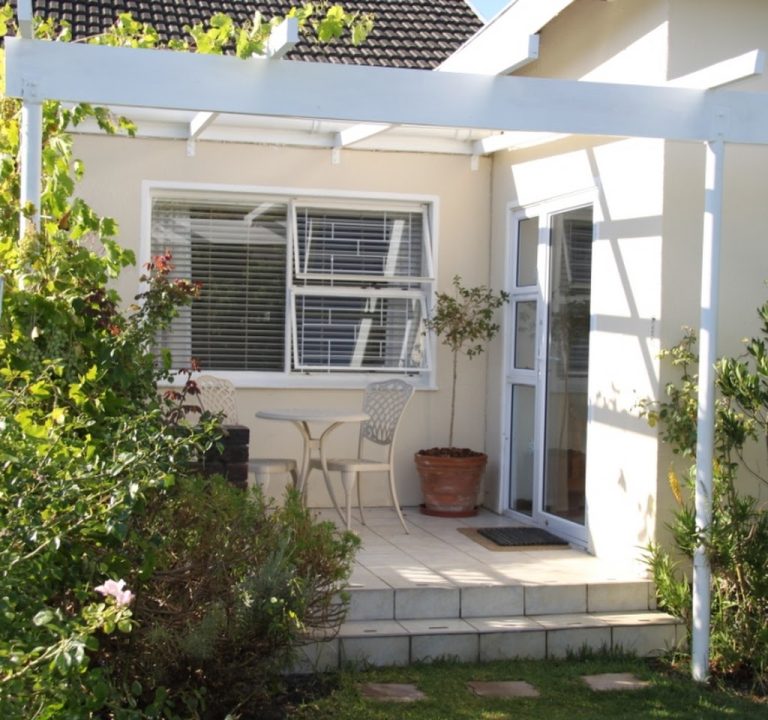
Cape Town offers a diverse mix of places to stay, from classic seaside guesthouses to contemporary lodges and boutique hotels. When planning a stay, it helps to start with where you’ll spend most of your time. The city’s neighbourhoods each have a distinct character: the Atlantic Seaboard and central city are vibrant and walkable with stunning coastal views; the cosmopolitan V&A Waterfront area is great for easy access to shops and dining; the leafy suburbs of Camps Bay, Constantia, and the southern peninsula provide a more relaxed, scenic backdrop. For a more rural-calm contrast, the winelands regions near Stellenbosch and Franschhoek offer vineyards, cuisine, and day trips within reach of Cape Town itself. As a lodge option, Erinvale Lodge in Somerset West exemplifies a tranquil base a short drive from the city yet close to wine-country attractions and beaches.
When booking, look for accommodation that suits your priorities: proximity to sights, ease of transport, and the kind of experience you want—luxury, laid-back, or family-friendly. Common amenities to expect include reliable Wi‑Fi, comfortable en-suite rooms, secure parking, and in some places, self-catering facilities or a pool. If you are travelling with a vehicle, confirm on-site parking and distance to main routes; if you prefer not to drive, check whether the property offers airport transfers or proximity to MyCiTi buses or the rail network. A good location often means more time exploring rather than commuting, so weigh street noise, especially in busy CBD or nightlife hubs, against the convenience of being close to your interests.
Accommodation types vary widely. Boutique hotels and guesthouses in the central areas provide personalised service and breakfast options, while boutique lodges or villas in the winelands combine refined décor with a sense of a countryside retreat. For families, self-catering apartments or guesthouses with multiple bedrooms and kitchen spaces can be practical. If you are seeking a few days’ pampering, a lodge with spa facilities and scenic surroundings can be ideal, while budget-conscious travellers may find generous dorms or simple B&Bs along the coast or in the suburbs.
Typical amenities you may encounter include air conditioning or ceiling fans for the warmer months, heating for the winter, coffee and tea provisions, and sometimes complimentary shuttle services to popular spots. Many places in Cape Town offer breakfast as part of the rate, and some provide evening meals or access to a shared kitchen. If you are travelling during peak tourist season (roughly October to April, with the warmest months spent outdoors), consider booking well in advance and asking about flexible rates in case your plans shift. For winter escapes, look for cosy lounges and fireplaces, plus terraces or verandas that capture the city’s dramatic scenery.
Transport in Cape Town is relatively straightforward but planning ahead pays off. The MyCiTi bus network covers many tourist-friendly routes, and Uber or other ride-hailing services are widely available. If you rent a car, you’ll have the freedom to explore the Cape Peninsula, Cape Point, and the Constantia Valley at your own pace. When basing yourself in the city centre, many attractions are within walking distance or a short taxi ride; in the southern suburbs or the winelands, a car becomes more practical to reach vineyards, hiking trails, and coastline viewpoints.
Best time to visit Cape Town is highly dependent on preferences. Spring (September to November) brings blooming gardens and milder temperatures, ideal for hiking and outdoor dining. Summer (December to February) is peak season with warm days and long daylight hours, perfect for beach days and coastal trips, but it can be busy. Autumn (March to May) offers comfortable weather and fewer crowds, while winter (June to August) is cooler and wetter, yet many attractions remain open and rain can bring dramatic skies over the mountains. Pack layers, sun protection, and a light rain jacket year-round, as the climate can be changeable along the coast and at higher elevations.
To help you structure a stay, consider a mix of experiences: a few days in the city centre exploring museums, markets, and the V&A Waterfront; a day or two on the Atlantic Seaboard for beaches and scenic drives; and a day in the winelands for cellar doors, lunch at vineyard restaurants, and majestic scenery. For a memorable palate-led itinerary, plan visits to wine estates in Stellenbosch or Franschhoek, followed by a scenic drive to the tip of the Cape Peninsula for dramatic coastal views and a rewarding seafood meal along the way. Booking a guided tour or a customised private day can simplify logistics and enhance your understanding of the region’s history and landscapes.
Practical tips for a smooth stay:
- Book early if you’re visiting during peak season or around major events to secure preferred locations.
- Check access to parking, elevator availability if staying on an upper floor, and potential restrictions in historic buildings.
- Inquire about housekeeping frequency, laundry options, and whether breakfast is included or available nearby.
- Ask about airport transfers or proximity to reliable public transport to avoid last-minute stress.
- When staying near the coast, be mindful of sea conditions and follow local safety advisories for beaches and coastal walks.
In short, Cape Town hospitality is as varied as its scenery. Whether you choose the convenience of a city base, the tranquillity of a lodge like Erinvale Lodge in the Winelands, or a chic stay along the Atlantic shoreline, you’ll find accommodation and experiences that align with every pace and preference. Planning ahead, prioritising practical needs, and balancing urban discoveries with nature and gastronomy will help you make the most of a memorable Cape Town visit. For further inspiration, explore reputable travel guides and the official tourism sites to tailor your trip to your interests and travel style.