Accommodation and Experiences in Cape Town: Planning a Comfortable Stay and Memorable Visits
Cape Town offers a diverse range of places to stay, from boutique self‑catering cottages to stylish guesthouses and family‑friendly lodges. When planning a visit, consider the neighbourhoods that best fit your priorities—scenic views, walkability, access to beaches, or proximity to the city’s cultural sights. The city is compact enough to explore on foot in some areas, yet well connected by taxis, ride‑hailing services, and regional transport for longer trips. A well‑chosen base can make the difference between a rushed itinerary and a relaxed, immersive stay.
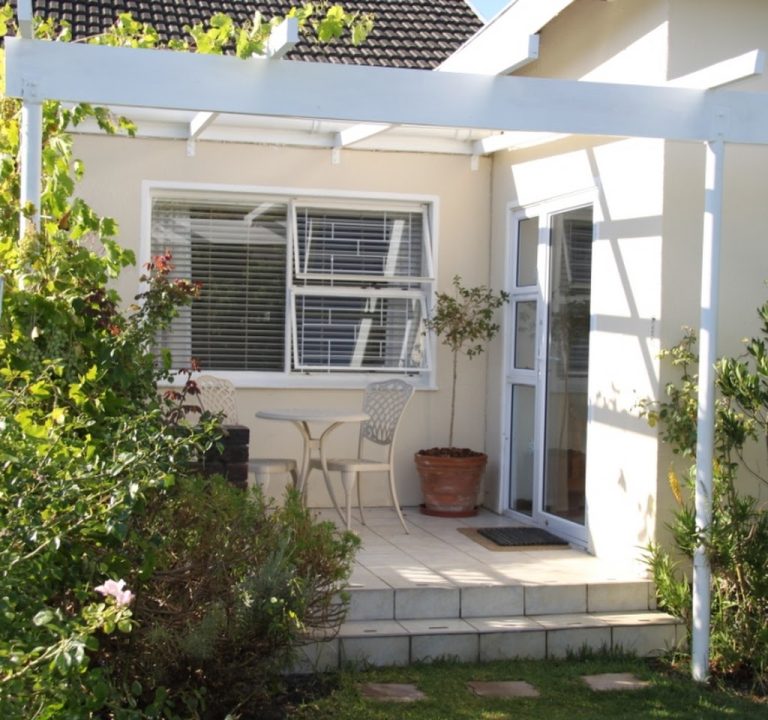
One notable example of self‑catering accommodation is Magnolia House Cottage, a compact option that may suit travellers seeking privacy, kitchen facilities, and a homely atmosphere. While exact details will depend on the listing, self‑catering lets you tailor meal times and routines, which can be convenient after long days of sightseeing. If Magnolia House Cottage or similar properties appeal, check for essential features such as a well‑equipped kitchen, reliable Wi‑Fi, secure parking, and clear access information. Always review cancellation policies and house rules before booking.
Areas to consider:
- City Bowl and the Central Cape Town area: central for access to museums, markets, and the V&A Waterfront. Look for compact well‑connected stays with easy access to public transport or parking options.
- Green Point and De Waterkant: close to the coastline, the promenade, and many dining spots, with a lively atmosphere and good transit links.
- Sea Point and Bantry Bay: perks include sea views, promenades, and a calmer residential feel while remaining convenient for hops to the city core.
- Constantia and the Constantia Valley: ideal for visitors who want a more tranquil, leafy setting and easy access to wine farms and nature trails.
- Beautiful beaches and bays near Camps Bay and Clifton: perfect for sunshine and scenic outings, with a broader selection of upscale lodgings and coastal walks.
What to look for when booking:
- Location relative to your planned activities—whether you’ll be exploring the city, venturing to the Winelands, or taking day trips along the coast.
- Amenities that match your pace: self‑catering convenience, laundry facilities, parking, and safety features in secure buildings or complexes.
- Access and transport: proximity to MyCiTY, a reliable Uber or taxi service, or whether the property offers arranged transfers or parking permits.
- Reviews and recent photos: check for consistency in hospitality, cleanliness, and accuracy of the listing’s description.
- Flexibility and policies: departure times, housekeeping options, and how the host handles guest requests or recommendations.
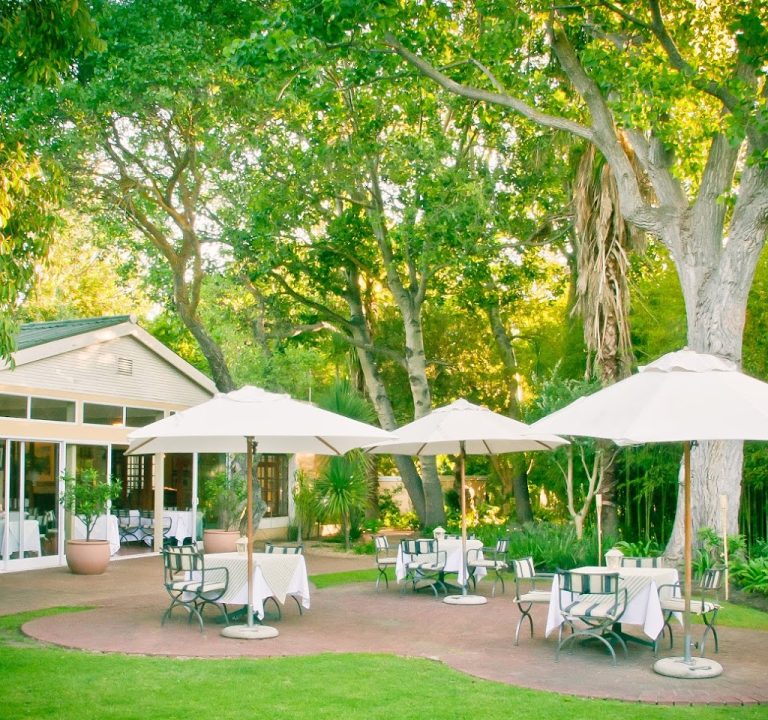
Typical amenities you may encounter in Cape Town accommodation include high‑speed Wi‑Fi, well‑equipped kitchens or kitchenettes, comfortable bedding, climate control, and outdoor spaces such as courtyards or balconies with sea or mountain views. Some properties provide shared facilities like swimming pools, laundries, or terraces that make evenings after busy days more enjoyable. If you are staying in a smaller self‑catering unit, confirm what is included in the kitchen—oil, tea and coffee, basic spices, and cookware can save last‑minute shopping trips.
Transport and getting around:
Cape Town’s geography means having a plan helps. The city centre is walkable in parts, but for longer trips you’ll often rely on taxis, ride‑hailing apps, or rental cars. The MyCiTY public transport network can be useful for some routes, though services outside central areas vary in frequency. If you plan trips to the Cape Peninsula, the Winelands, or Kirstenbosch, a rental car or organised day tours can be efficient options. When selecting a stay, consider its access to major routes and the frequency of nearby transit stops or pick‑ups for day trips.
Best time to visit and practical tips:
Cape Town experiences a temperate climate with dry summers and wet winters. Peak tourist season tends to be from late spring to early autumn, when coastal weather is pleasant and outdoor activities are plentiful. Spring (September to November) and autumn (March to May) offer mild temperatures and fewer crowds in some areas, which can be ideal for exploring vineyards or hiking trails. Pack layered clothing for the changes in breeze near the coast and in the mountains, plus comfortable walking shoes for uneven pavements and scenic climbs.
Visitors should also plan for common practicalities: book popular attractions well in advance if possible, allow time for weather‑dependent activities, and stay hydrated while hiking or walking long distances. For dining, Cape Town boasts a vibrant restaurant scene ranging from casual cafes to high‑end eateries, often with menus inspired by coastal produce, Cape Malay influences, and modern South African cuisine. When choosing places to eat, look for neighbourhood spots near your stay for easy evenings after a day of exploration.
Sample itineraries and attractions (in general terms):
- Morning hikes up Table Mountain or strolls through the Kirstenbosch National Botanical Garden, followed by scenic drives along coastal routes.
- Boat or ferry trips to Robben Island or harbour tours at the V&A Waterfront to understand the city’s history and harbour life.
- Wine‑tasting days in the nearby Constantia or Franschhoek valleys, coupled with relaxed lunches and garden settings.
- Beaches and coastal walks in Sea Point, Camps Bay, or Clifton, with late‑afternoon sunsets over the Atlantic.
In summary, Cape Town rewards thoughtful planning with a comfortable base, thoughtful amenities, and easy access to a mix of natural beauty, culture, and dining. By weighing the location, transport options, and the practical details of your self‑catering or guesthouse stay, you can tailor a stay that balances rest with discovery, all within the spectacular setting of the Western Cape.