Accommodation options and planning for a stay in Cape Town
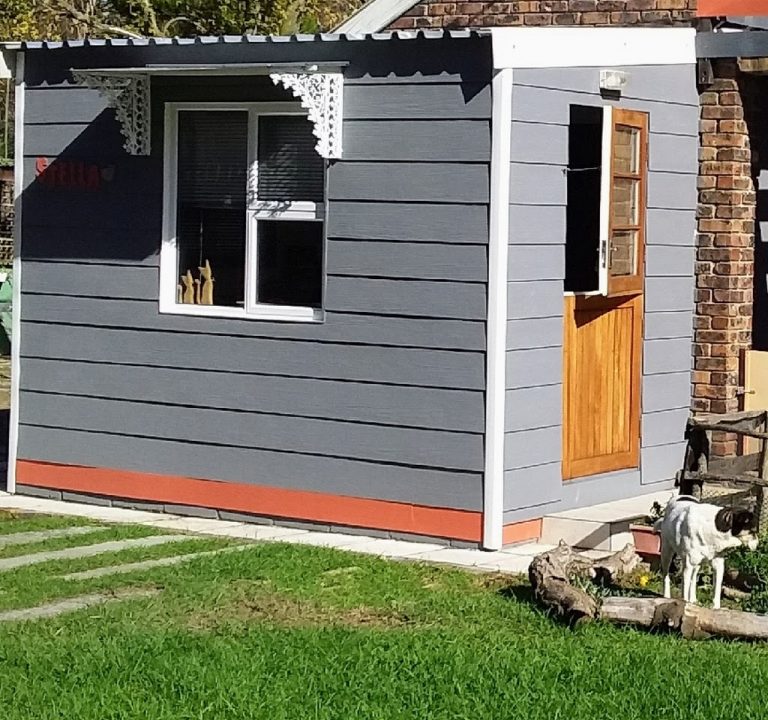
Cape Town offers a diverse range of places to stay, from characterful bed and breakfasts and boutique lodges to modern hotels and self‑catering apartments. When planning a visit, it helps to think about what you want from your base: proximity to sights, ease of getting around, and the kind of experience you favour, whether that’s a coastal breeze, mountain views, or a quieter neighbourhood with local charm. A lodging option such as La Pension Stella can illustrate how Cape Town stays often blend personalised service with a distinctive sense of place, though the city hosts a wide spectrum to suit different budgets and itineraries.
Neighbourhoods to consider include the City Centre and the adjacent City Bowl for easy access to museums, markets and a lively dining scene; the Atlantic Seaboard, including Camps Bay and Sea Point, for beachside ambience and long coastal walks; and the greater Constantia Valley for wine estates and leafy streets. If you want a true local flavour, consider areas closer to the city’s cultural hubs or historic townships where guided tours and community experiences can add depth to your trip. For business stays or short breaks, central locations shorten commutes to attractions and eateries, while for a relaxed beach holiday, the seaside districts provide convenient access to surf and sunsets.
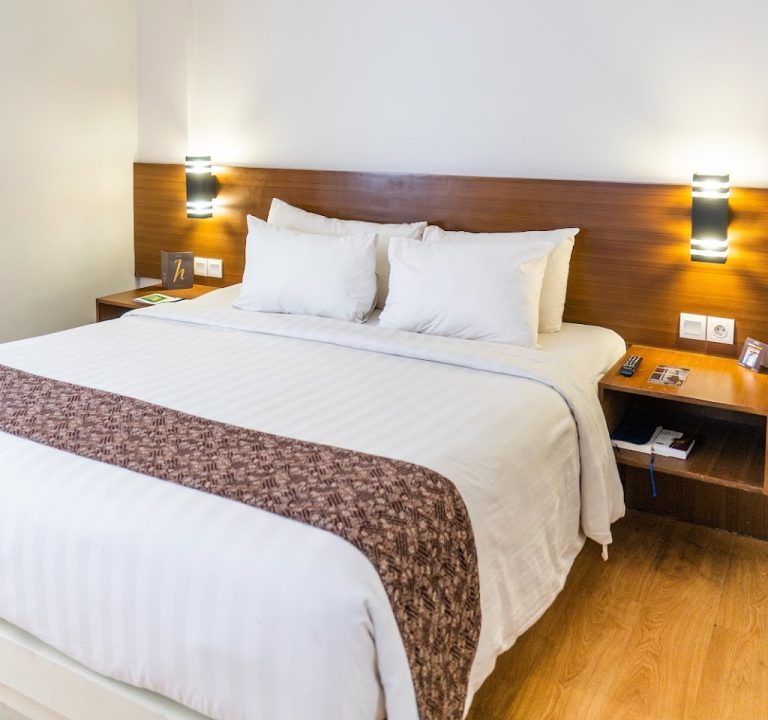
Typical amenities to look for include reliable WiFi, compact kitchen facilities if you prefer self‑catering, comfortable bedding and en‑suite bathrooms, and thoughtful extras such as a generous breakfast, accessible transport links, parking arrangements, and on‑site parking if you plan to hire a car. Many guesthouses and lodges offer verandas or balconies with harbour or mountain views, helping you feel connected to the landscape without leaving your room. If a flexible cancellation policy matters to you, check the terms in advance, particularly if you are travelling out of peak season or during uncertain weather patterns.
Transport in Cape Town is usually straightforward but can require a little planning. The MyCiTi bus network covers many popular routes, though some routes may be less frequent outside peak times. Ride‑hailing services and private transfers are reliable options for airport trips, evenings out, or when you want to reach places that are not easily served by public transport. If you plan to explore beyond the immediate city, renting a car can provide freedom to visit winelands, coastal coves, and nature reserves at your own pace. In most central areas, compact streets and small parking zones mean that walking is a great way to move between sights and eateries, especially if you are staying in a hotel or guesthouse with a courtyard or terrace for a post‑day rest.
Best time to visit Cape Town depends on your preferences. Spring (September to November) brings wildflowers in the mountains and comfortable temperatures for outdoor exploring. Summer (December to February) offers long days, warm seas and vibrant outdoor activities, though it is also peak tourist season. Autumn (March to May) is typically calmer, with pleasant temperatures and good light for photography, while winter (June to August) can be cooler and wetter, but still rewarding for museum visits, harbour walks, and city culture. If you plan coastal activities, check sea conditions and local safety advisories, and always bring layers for the variable climate near the Atlantic coast.
When booking, consider these practical factors to optimise your stay:
- Location relative to the sights you want to see and the restaurants you wish to try
- Accessibility to public transport or on‑site parking
- Room configuration, ensuite facilities, and any shared spaces
- Included meals, kitchen access, and laundry facilities
- Cancellation terms and policies for flexibility
- Host or property feedback, cleanliness, and responsiveness
- Soundproofing in busy areas or near nightlife, if you prefer quiet evenings
Amenities beyond the basics can enhance your stay. Consider whether you would value a swimming pool or a shaded outdoor area for hot days, a well‑equipped kitchenette for flexible meals, and a cosy lounge or library for evening downtime. Some lodgings offer guided experiences or curated recommendations for local walks, markets, and dining, which can help you discover neighbourhoods beyond the tourist routes. If you enjoy wine country, book visits to nearby estates in advance or opt for packages that combine a stay with tastings or cellar tours.
For dining and leisure, Cape Town presents a broad spectrum—from casual cafés serving artisanal coffee and light meals to refined restaurants emphasising fresh seafood and coastal produce. In general terms, choose settings that align with your stay’s pace: a vibrant neighbourhood hub for evening meals and nightlife, or a quieter street near green spaces for relaxed mornings and scenic walks. Remember to sample the city’s broader hospitality scene mindfully—many venues prioritise seasonal menus, friendly service, and locally sourced ingredients, which can enrich your visit without requiring a rigid plan.
Finally, plan some easy, signature activities you can mix and match during your stay. Consider a scenic harbour or waterfront stroll, a cable car or vantage point for sweeping views of the coastline and mountains, a day trip to winelands or nature reserves, and an afternoon exploring markets or galleries. Cape Town rewards travellers who balance a comfortable base with time to wander, discover, and return to a welcoming place to rest. For more information and ideas, you can visit official tourism resources or short‑list properties that offer clear guidance and approachable hosts to support your itinerary.