Cape Town: Accommodation and Experiences for a Memorable Stay
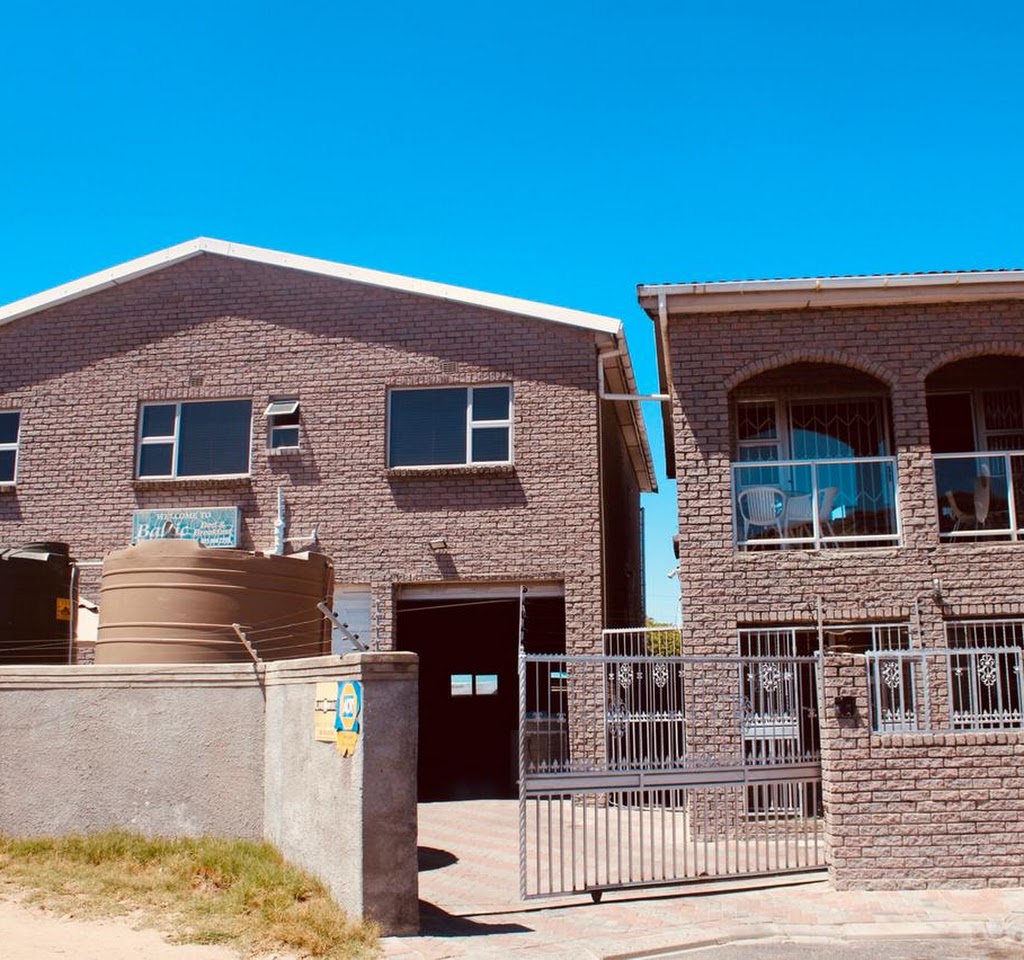
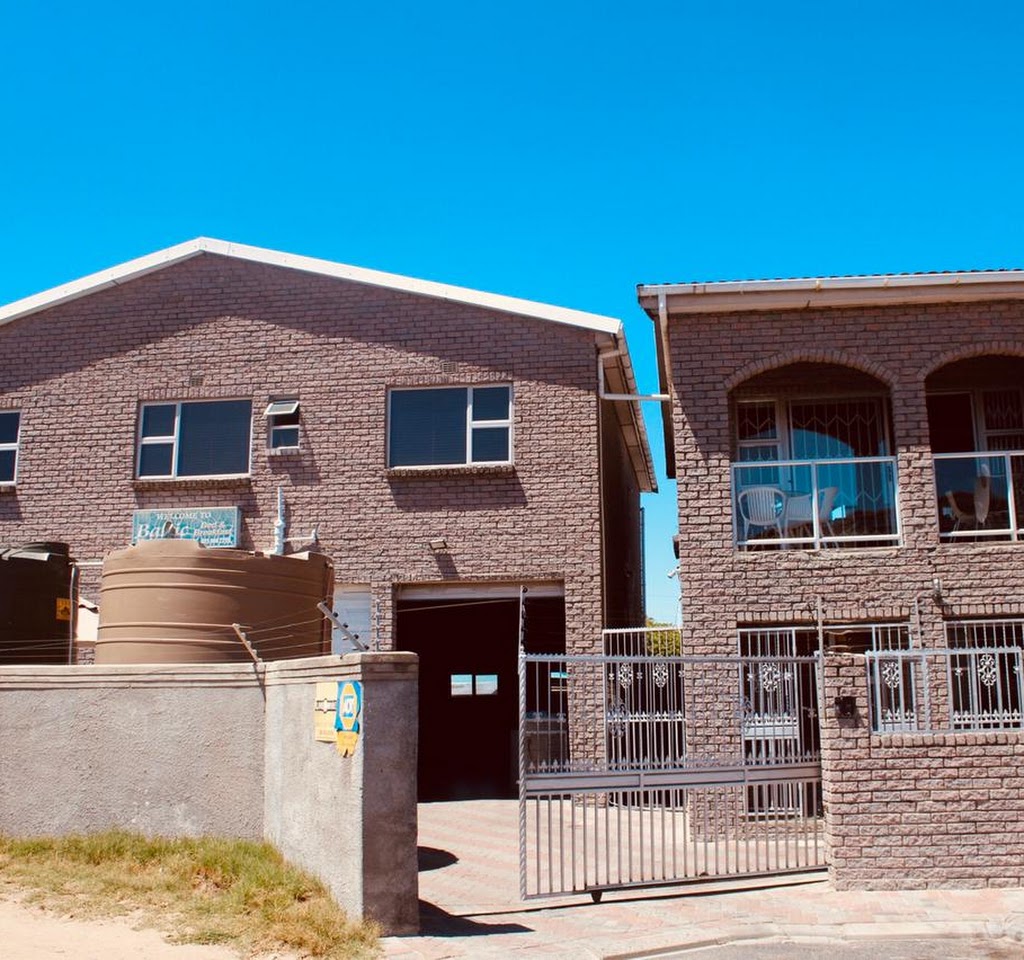
Cape Town presents a diverse tapestry of places to base yourself, from stylish guest houses to family-run B&Bs and contemporary hotels. When planning a stay, consider which neighbourhood aligns with your interests, budget and pace. Whether you want waterfront views, easy access to table mountain trails, or a vibrant urban scene with restaurants and markets, there is a suitable option close by. For a stay that feels authentically local, you might look to guest houses such as Baltic B&B, where thoughtful service and a comfortable atmosphere can be a welcome home between day trips.
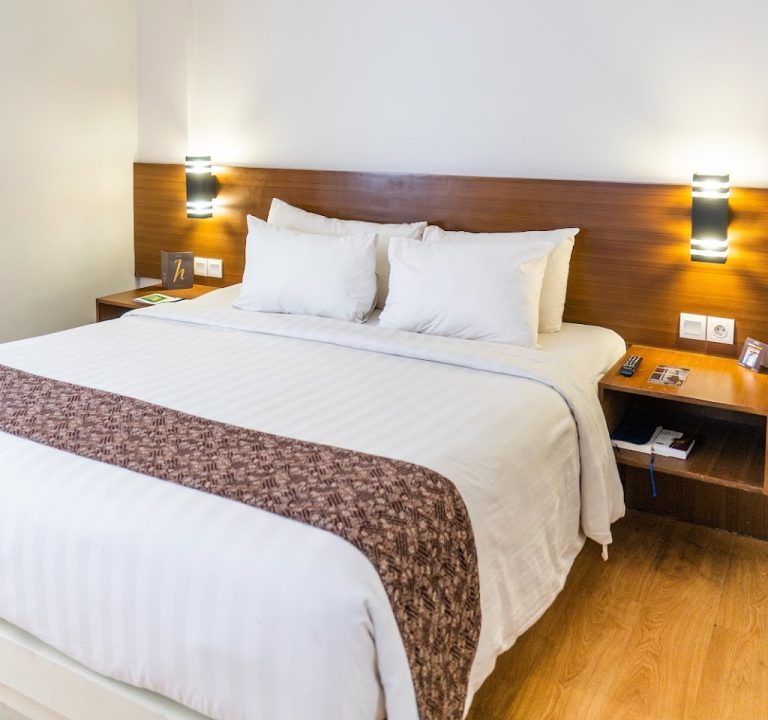
Common accommodation options include guest houses and B&Bs with personalised hospitality, small boutique hotels with character, and self-catering apartments in city or coastal precincts. In Cape Town, many properties offer en-suite rooms, free Wi‑Fi, and breakfast included. You will often find facilities such as secure parking, swimming pools, and garden spaces. For families or groups, larger rooms or suites with kitchens or kitchenette facilities are particularly practical, while business travellers may appreciate quiet workspaces and reliable connectivity. When researching, read guest reviews to learn about consistency in service, noise levels, and how hosts handle peak seasons.
Areas to consider include:
- City Bowl and the central business district for easy access to museums, markets and a lively nightlife.
- Atlantic Seaboard, including the Camps Bay and Clifton stretches, for dramatic ocean scenery and sunset drives.
- The Victoria & Alfred Waterfront, combining harbour views with easy walks and dining.
- Constantia Valley, ideal for wine lovers and scenic hilltop views, with tranquil streets and boutique stays.
- Bo-Kaap and the De Waterkant neighbourhoods for colour, culture and compact guesthouses near cafes and eateries.
Booking considerations should include room configuration (are there single or multi-bedroom options), breakfast service, and access to outdoor spaces or terraces. Proximity to transport hubs is important if you plan to explore widely. Cape Town benefits from a relatively compact urban core, but some destinations require a car or reputable ride-sharing options, especially if you venture to the Cape Peninsula or winelands. If you prefer not to drive, select accommodation near MyCiTi bus routes or near the V&A Waterfront where short walks will connect you to tours and excursions.
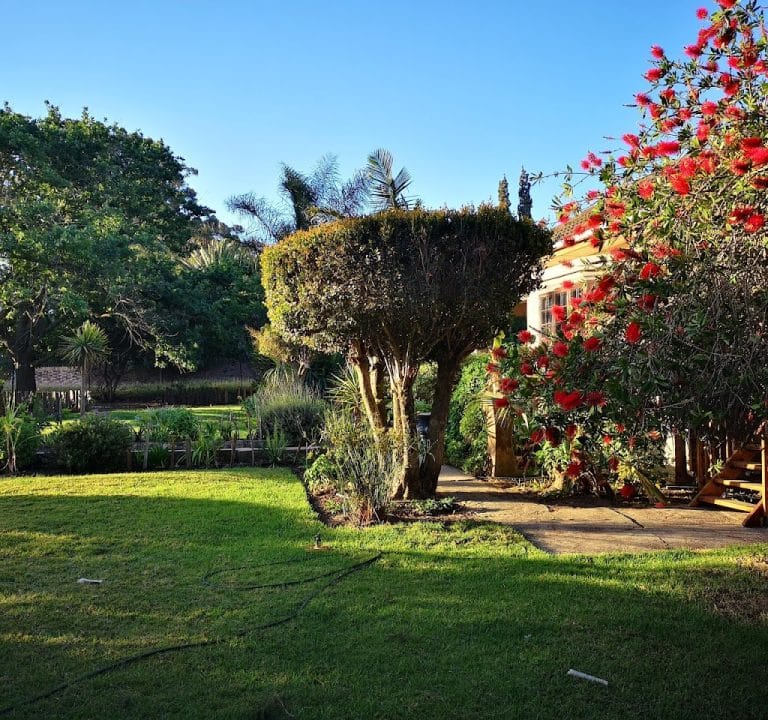
Typical amenities to look for include secure parking or safe access, strong heating or cooling depending on the season, well-equipped kitchens or tea-and-coffee facilities, climate control, and good natural light. Many guest houses provide kitchenettes, comfortable lounges, and outdoor terraces that become pleasant in the late afternoon. Consider whether you want a pool or garden spaces to relax after a day of sightseeing. Reading reviews about breakfast variety, cleanliness, and the responsiveness of hosts can help set expectations for your stay.
The best time to visit Cape Town varies with what you wish to do. Summer (December to February) brings long days, sea breezes, and outdoor activities along the coast, while winter (June to August) offers cooler spells and calmer beaches, complemented by the appeal of the city’s indoor attractions and wine regions. Shoulder seasons in spring and autumn often provide pleasant weather, fewer crowds, and more affordable rates. If you plan a coastal and outdoor itinerary—with Table Mountain, Robben Island tours, and scenic drives to the Cape Point reserve—flexible dates can yield better accommodation options and value for money.
Practical tips for a smooth stay include allowing time to disentangle city traffic, especially during peak hours, and budgeting for coastal winds which can be invigorating but unpredictable. When booking, check cancellation policies and whether breakfast includes hot options or self-serve provisions. If visiting with children, verify family-friendly room configurations and proximity to parks or playgrounds. For travellers with mobility considerations, confirm elevator access and ground-floor rooms where required.
Attractions and experiences, approached broadly, span natural wonders and cultural concentrations. You might spend mornings exploring Table Mountain’s viewpoints or hiking trails, followed by harbour-front strolls and markets in the V&A precinct. Regions around Constantia offer wine-tasting experiences and hillside walks, while the Atlantic seaboard provides beaches and sunset drives. In the evenings, Cape Town’s dining scene ranges from casual bistros to refined eateries offering modern South African cuisine and seafood close to the coast. For a sense of the city’s heritage, consider guided walking routes through Bo-Kaap or historic districts that provide insights into the area’s diverse communities. Visitors can also seek out local culinary experiences that focus on fresh produce, street foods, and markets rather than fixed-name attractions.
To plan ahead, consult reputable sources for maps, transit options, and seasonal events. A well-chosen base with reliable transport links can reduce travel time and enhance your ability to sample Cape Town’s breadth—from mountain trails to art venues, cafés, and markets. For more inspiration and practical planning, visit reputable tourism pages and online guides that offer current recommendations and itineraries aligned with your interests and travel dates.