Discover Cape Town: where to stay, what to explore, and how to plan a memorable visit
Cape Town combines dramatic natural beauty with a rich cultural scene, making it a destination that rewards varied stays. From intimate guest houses and boutique hotels to family-friendly lodges and stylish apartments, the city offers options to suit different budgets and itineraries. When planning a stay, think about which neighbourhood will best frame your days: whether you want a mountain backdrop, easy beach access, or a lively urban hub with dining and galleries on your doorstep.
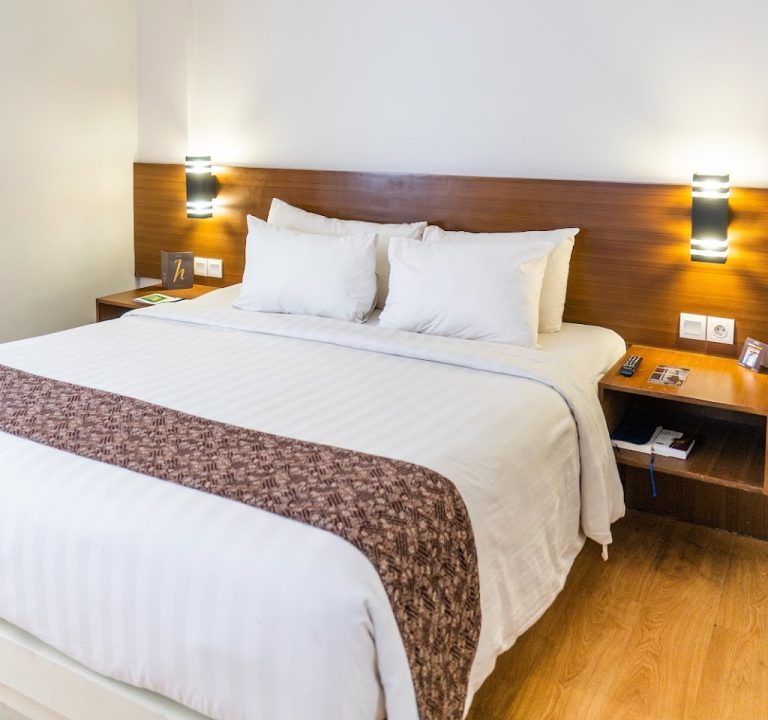
Emperor Guest House, a well-positioned guest house in the city’s central belt, illustrates the kind of stay many travellers seek: comfortable rooms, warm hospitality, and convenient access to both the Atlantic coast and the inner-city precincts. While visiting, you can expect accommodations that emphasise ease of living—brightly lit rooms, storage space for longer stays, and a welcoming start to the day with breakfast options that suit an early excursion or a late lie-in.
Areas to consider when choosing where to stay:
- City Centre and the refreshing hub of the City Bowl offer easy access to museums, theatres, and historic streets, with a mix of guest houses, boutique hotels, and self-catering stays.
- V&A Waterfront and Green Point provide waterfront views, a lively dining scene, and convenient links to hop-on hop-off tours and coastal walks.
- Camps Bay and Clifton present glamorous beachside settings, crisp sea air, and sunset viewpoints, ideal for a calmer, scenically oriented stay.
- Constantia and the Constantia Valley deliver wine estates and expansive gardens, paired with leafy streets and excellent dining within a short drive of the city centre.
- Hout Bay and the Atlantic Seaboard north of the city offer a mix of harbour charm, seafood spots, and easy access to coastal trails.
- Residential areas such as Observatory or Cape Town’s southern suburbs can feel more local, with guest houses and small hotels that provide a quieter base.
What to look for when booking a stay:
- Location balance: proximity to your planned activities versus the pace you want. If you plan long days out, a central base may reduce transit time; for beach days, a seaside spot could be ideal.
- Ambience and character: many guest houses in Cape Town offer personalised touches, whether a home-from-home atmosphere or a chic, design-led vibe.
- Amenities: en-suite bathrooms, reliable hot water, climate control, free Wi-Fi, secure parking, and on-site meals or easy access to cafés are common and helpful.
- Safety and accessibility: ensure entrances, lighting, and neighbourhood safety align with your comfort level, especially if you’ll be returning late from excursions.
- Transport links: check that your accommodation is well connected to MyCiTi bus routes, rideshare options, or has convenient parking if you plan to hire a car.
- Cancellation and value: flexible terms and a clear outline of included breakfasts or amenities help in planning trips around Cape Town’s variable weather.
Typical amenities and features you might expect include comfortable guest rooms, private or shared living spaces, everyday touches like robes and toiletries, and a varied breakfast offering that may include fresh fruit, breads, and hot options. Many properties also provide outdoor spaces—patios, terraces, or small gardens—from which you can enjoy the mountain views or sea breezes. A well-run guest house can offer staff recommendations for day trips, theatre shows, markets, and must-visit eateries, helping you to experience both popular sights and hidden gems.
Transport and getting around:
Capetown's geography makes certain routes more convenient than others. A car gives you freedom to explore coastal towns, wine estates, and the scenic Atlantic seaboard at your own pace. If you prefer not to drive, the MyCiTi bus network, ride-hailing services, and organised tours provide practical alternatives. Many guest houses are happy to assist with taxi bookings or airport transfers, ensuring you start and end your stay smoothly. When planning day trips, factor in traffic patterns, especially during peak tourist seasons and on weekends near popular attractions.
Best time to visit and practical tips:
Cape Town enjoys a Mediterranean climate, with warm, dry summers and cooler, wet winters. The most crowded months tend to be the southern hemisphere’s peak travel periods, particularly in December and January. For best value and milder crowds, consider shoulder seasons in spring or autumn, when wildflowers or whale watching can be highlights, depending on the month. Pack layers for changeable weather, sunglasses for the sun by the sea, and comfortable footwear for hills and coastal paths. If you enjoy outdoor activities, mornings are often ideal for hikes on the slopes of Table Mountain or the surrounding nature reserves, followed by relaxed lunches or a coastal stroll along the promenade.
What to do and where to eat, in general terms:
Cape Town offers a compact, walkable core with easy access to city museums, galleries, and markets, alongside a dramatic coastline and iconic landscapes. Day trips commonly include a cable car or tram-to-midmountain excursion, scenic coastal drives, and visits to wine estates just beyond the suburbs. Dining ranges from casual seaside cafés to elegant restaurants with tasting menus, and markets provide a taste of local produce, crafts, and street food. For evenings, many visitors enjoy a stroll along the harbour or a moody sunset from a viewpoint above the city, followed by a relaxed dinner that showcases regional ingredients and coastal flavours.
For ideas and practical planning, you can explore resources such as official tourism sites or hospitality guides. They offer current listings for accommodation, tips on safety and transport, and suggestions for seasonal events. Cape Town is a destination that rewards planning yet invites spontaneous exploration—an ideal combination for a memorable stay.