Finding the right stay in Cape Town: accommodation, attractions and practical tips
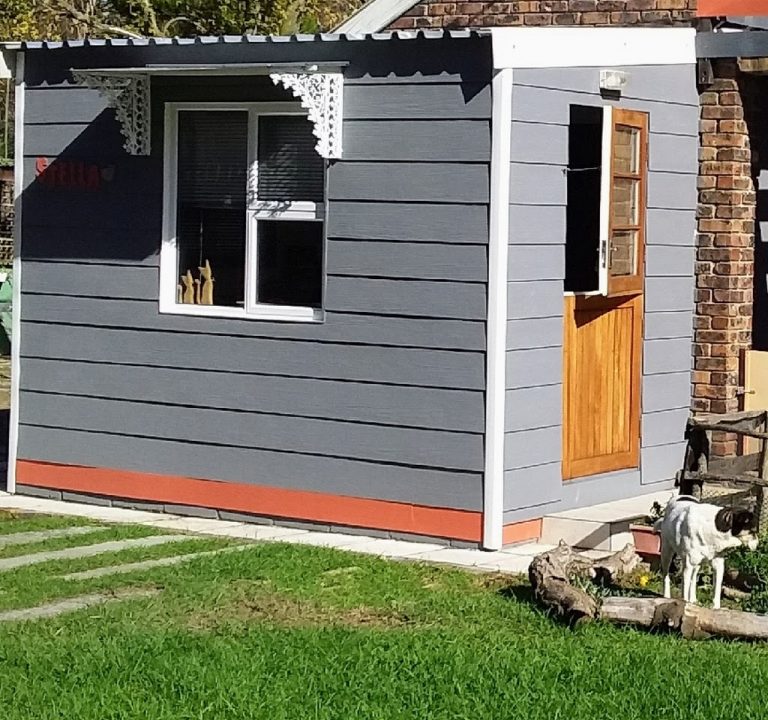
Cape Town offers a diverse blend of neighbourhoods, landscapes and cultural experiences that suit a wide range of travellers. From harbour views and mountain vistas to wine country drives and beach strolls, planning a stay that matches your interests will help you make the most of your time in the Western Cape. Aphiroom bnb is one of many charming bed & breakfast options you might consider when choosing a base from which to explore the city and its surrounds.
Areas to consider when choosing where to stay include the City Bowl and central Cape Town for easy access on foot or by ride-hailing to galleries, markets and restaurants; the V&A Waterfront area for harbour‑side vibes and scenic walks; Camps Bay and Clifton for dramatic coastline and upscale dining; the subtropical Constantia and Steenberg corridors for easy access to wine routes; Woodstock and Observatory for characterful, trendy stays close to hip dining and street art. If you’re travelling with family or a larger group, look for self‑catering apartments or guesthouses with multiple rooms and private entrances. For a quieter pace, the Constantia Valley offers leafy estates and wine estates with extended stays in mind.
When you book, consider what you want to be able to do without long commutes. The City Centre is compact and walkable, but traffic can be heavy at peak times. The Atlantic coast near Camps Bay or Clifton is scenic, but parking can be challenging in peak season. The Cape Town metro has a growing public transport network, yet many visitors still find it more convenient to use licensed operators or ride-hailing services, especially if you plan to visit locations farther afield like Cape Point or Simon’s Town.
Typical amenities to look for include reliable wi‑fi, secure parking or easy transport access, ensuite bathrooms, and a well‑equipped kitchenette or breakfast option if you prefer mornings at a slower pace. Many guesthouses and B&Bs in Cape Town offer a guest lounge, outdoor spaces with mountain or sea views, and a breakfast service that showcases regional flavours. For families or groups, request a room layout that suits your needs, and check whether late check‑in or early check‑out arrangements are possible if your travel plans involve flexible flight times.
- Comfortable beds and quality linens
- Ensuite bathrooms with hot water and good water pressure
- Safe neighbourhood and clear instructions for access
- Quiet rooms or soundproofing, particularly if you’re near a busy street
- Access to local tips from hosts, including restaurant reservations and activity suggestions
Transport in Cape Town is diverse. In the city centre and popular coastal areas, Uber, Bolt or local ride-hailing services are widely available. Some guesthouses and hotels provide shuttle services or bicycles for short trips to the nearby beaches or markets. If you plan day trips along the coastline or to the Cape Winelands, you might hire a car or book a guided tour. Remember to factor parking arrangements into your booking, especially if you’ll be driving to activities like Table Mountain cableway or coastal drives that can be busy in peak season.
The best time to visit Cape Town spans several seasons. Spring (September to November) brings blooming gardens and pleasant weather, while autumn (March to May) offers mild temperatures and fewer crowds. Summer (December to February) is popular for beaches and outdoor dining, though it can be busier and pricier. Winter (June to August) is cooler and rainier, but there are fewer tourists and the indoor‑oriented venues, markets and museums can be particularly appealing. If you’re planning outdoor adventures such as hiking Table Mountain or visiting Cape Point, be mindful of weather conditions and plan for occasional changes in the forecast.
Key attractions to consider include the natural beauty of Table Mountain, the iconic shoreline and harbour areas, and world‑class botanical and cultural spaces. Nature lovers may enjoy coastal walks, wildlife reserves nearby, and the scenic drives along Chapman’s Peak. For a day of discovery, you might combine a ride to the V&A Waterfront with a visit to the nearby museums or a stroll through historic districts. Food lovers can expect a wide range of dining options, from casual eateries to refined restaurants, often showcasing fresh seafood, South African wines and regional ingredients. In addition to dining, markets and neighbourhood cafés offer opportunities to sample artisanal goods, coffee culture and street food in a relaxed, friendly setting.
Practical tips to help you plan a smooth stay: book early for peak seasons and popular events, read recent guest reviews for updates on service and neighbourhood vibe, and request a host’s advice on safe routes and local considerations. When packing, bring layers for changing coastal weather, comfortable walking shoes for hillier streets, and a compact daypack for excursions. If you’re staying near the coast, consider sun protection and hydration, as conditions can be sunny and dry even on cooler days. Finally, keep in mind that Cape Town’s appeal lies in its variety—allow time for both planned activities and spontaneous finds, whether that’s a sunset lookout, a farmers’ market or a quiet corner café discovered along a scenic drive.