Johannesburg: where to stay, what to do and how to plan a visitor-friendly trip
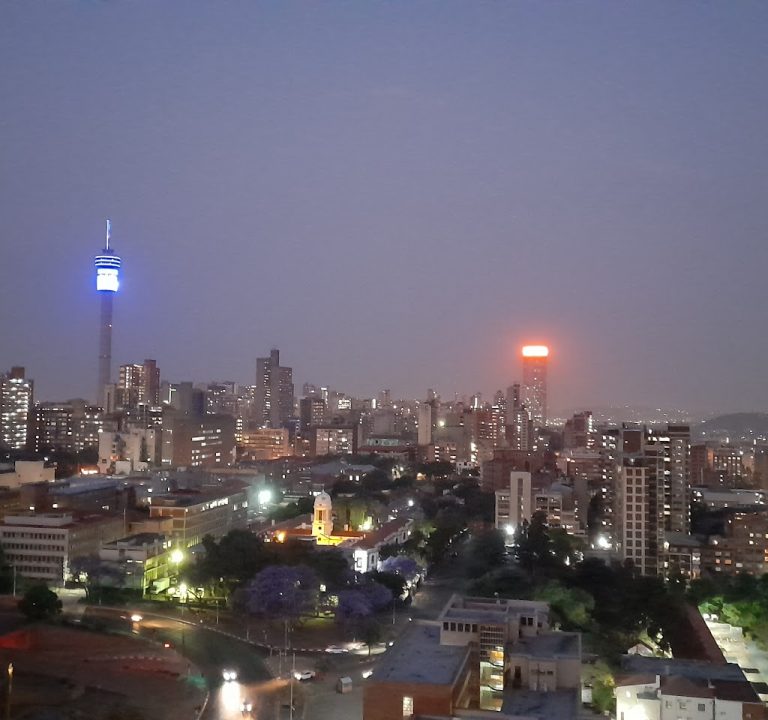
Johannesburg, the bustling Gauteng gateway to South Africa, offers a dynamic mix of modern comforts, heritage-rich neighbourhoods, and vibrant dining and cultural scenes. When planning a stay, selecting the right area can shape your experience—from relaxed residential vibes to buzzing urban hubs with easy access to major sights. Accommodation ranges from serviced apartments and guesthouses to boutique hotels, each with its own character and practical perks. For travellers seeking reliability and space, serviced accommodation can provide home-like comfort with the convenience of on-site services.
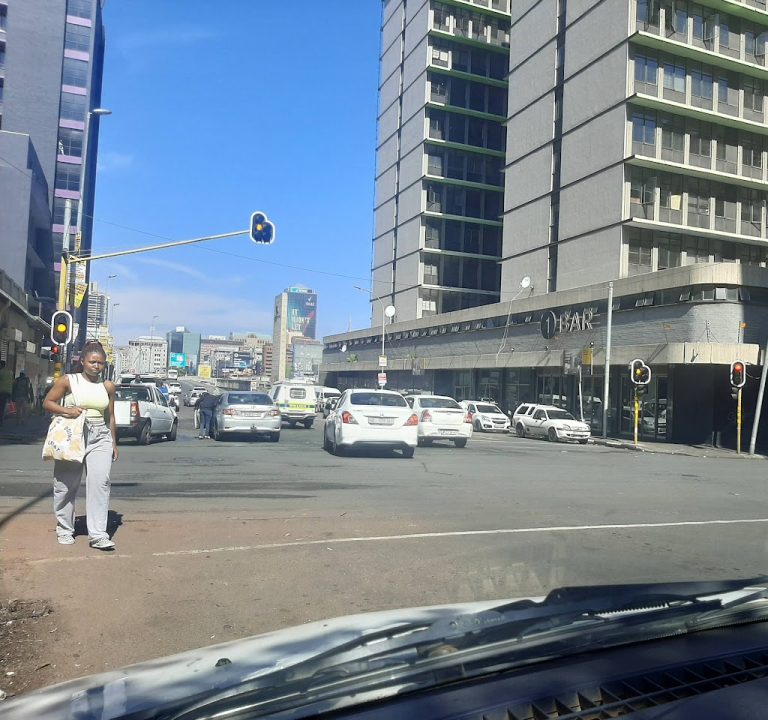
Consider these core areas when choosing a base. The central business district and nearby Maboneng and Braamfontein are magnets for urban culture, art, and nightlife, with convenient access to museums, markets, theatres, and fast lists of eateries. Rosebank and Sandton offer leafy streets, shopping, and well-reviewed dining, with straightforward rail and taxi links to the inner city. If you prefer a calmer, more residential feeling with easy outdoor escapes, consider areas such as Hyde Park, Greenside, or Melville, each offering a balance of local cafés and easy transport into the city. For a more reflective experience of Africa’s past alongside contemporary life, Soweto and the surrounding townships present poignant history and spontaneous eateries; guided tours can enhance safety and context for first-time visitors.
Booking tips to help you make the most of your stay:
- Look for quiet upstairs rooms if you are sensitive to street noise, especially in busy districts. A good night’s sleep is essential for long days of sightseeing.
- Check access to public transport or reliable transfer options. Johannesburg’s public transport network is expanding, but many visitors prefer organised uplift from accommodation hubs or rideshare services for convenience and safety.
- Read guest reviews focusing on cleanliness, security, and the responsiveness of staff or management. A well-maintained property with clear communication can save time and worry.
- Confirm amenities that matter to you, such as a well-equipped kitchen, laundry facilities, parking arrangements, and Wi‑Fi reliability. For longer stays, a workspace and on-site laundry can be particularly valuable.
- Consider flexibility in booking policies, especially for travel plans that may shift. Many hosts offer modest cancellation terms, which can be a prudent choice in uncertain times.
Typical amenities you might expect from comfortable Johannesburg stays include secure parking (or easy street parking), 24-hour security or staffed reception, daily housekeeping options, and well-equipped kitchens or kitchenettes. Some serviced accommodation options provide on-site fitness areas, communal lounges, or rooftop decks with city views. Property descriptions often highlight convenience items such as air conditioning, heating, and quality bedding, which make a significant difference in comfort during hot summers or cooler evenings.
Transport in Johannesburg is best planned with a mix of walking, ridesharing, and some level of self-drive or organised transfers. The city’s layout means many points of interest spread out across several neighbourhoods, so knowing your routes in advance saves time. If you are driving, check whether your accommodation provides secure parking and whether there are any parking restrictions in the area. For those relying on public transport, identify a base with easy access to major bus routes or a metro rail link, and be prepared for peak-hour congestion in central areas.
The best time to visit Johannesburg generally mirrors temperate southern African climates. Spring (September to November) and autumn (March to May) offer mild temperatures and lower rainfall, ideal for city walks and outdoor markets. Summers can be hot and rainy, but showers are often brief and brief. Winter (June to August) is cool, with crisp mornings and many cultural events indoors. If you plan to visit the surrounding scenery—such as the Cradle of Humankind, nature reserves, or nearby winelands—the climate in these months can influence how much you enjoy outdoor activities, so pack layers and a versatile wardrobe.
When exploring, you’ll encounter a rich mix of visitor experiences. Museums and heritage centres illuminate South Africa’s complex history and contemporary culture. Markets and precincts celebrate local crafts, design, and culinary diversity, offering opportunities to sample dishes and street foods in safe, well-regulated settings. For dining, you’ll find everything from traditional South African eateries to modern bistros and cosmopolitan restaurants. Rather than relying on a single hotspot, consider strolling through several precincts to experience a range of flavours, atmospheres, and service styles. If you enjoy a balanced itinerary, pair a museum visit with an afternoon coffee stop or a casual dining, then finish with a live music venue or theatre performance in the evening.
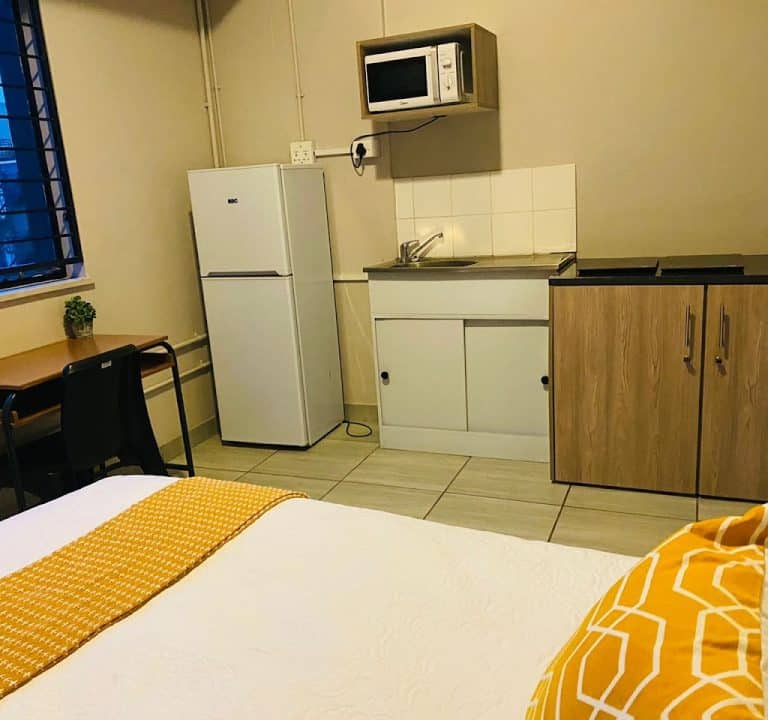
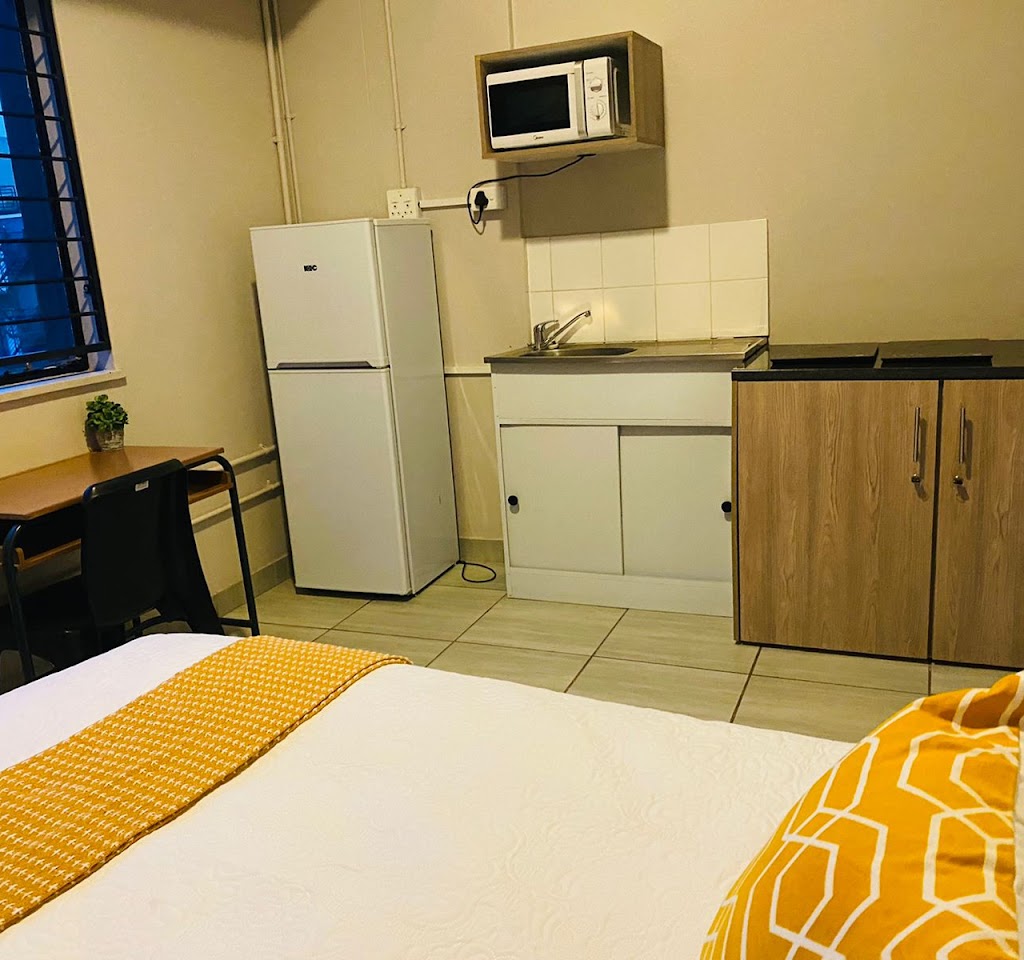
One practical option to consider is serviced accommodation that provides a steady base while you explore. For example, Kwatloe Pro Power offers a home-like setting with services designed to simplify stays, especially for longer visits or business trips. It can function as a comfortable home base from which to explore the city, with easy access to main routes and local conveniences. Learn more about this or similar properties on their website: kwatloepropower.co.za.
In short, Johannesburg rewards curious travellers who plan thoughtfully. By selecting a well-connected area, prioritising clear responses from your host or management, and familiarising yourself with transport options, you can enjoy a varied, comfortable stay that makes the most of the city’s energy, heritage, and hospitality. A well-chosen base paired with flexible plans can turn a busy itinerary into a rewarding, relaxed experience—whether you’re here for culture, business, or a blend of both.