Johannesburg: Accommodation, neighbourhoods to consider, and a flavour of what to do
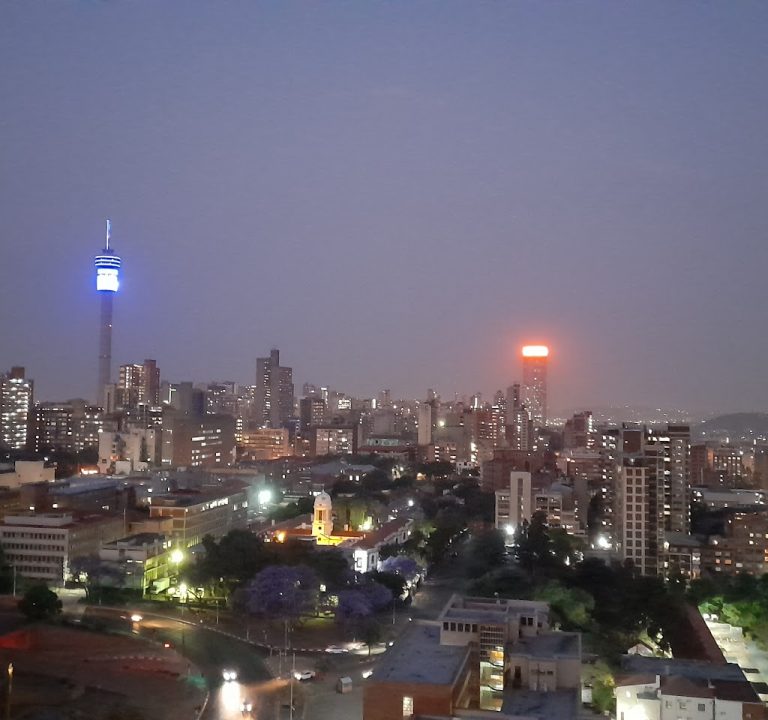
Johannesburg, or Jo’burg as many locals affectionately call it, is a sprawling city that blends modern hotels with historic neighbourhoods, vibrant dining scenes and remarkable cultural attractions. When planning a stay, focus on the area that suits your plans, budget and pace. For visitors who want easy access to business districts and nightlife, central and northern zones tend to offer the greatest convenience, while quieter, residential pockets can offer a calmer base for exploring the wider Gauteng region.
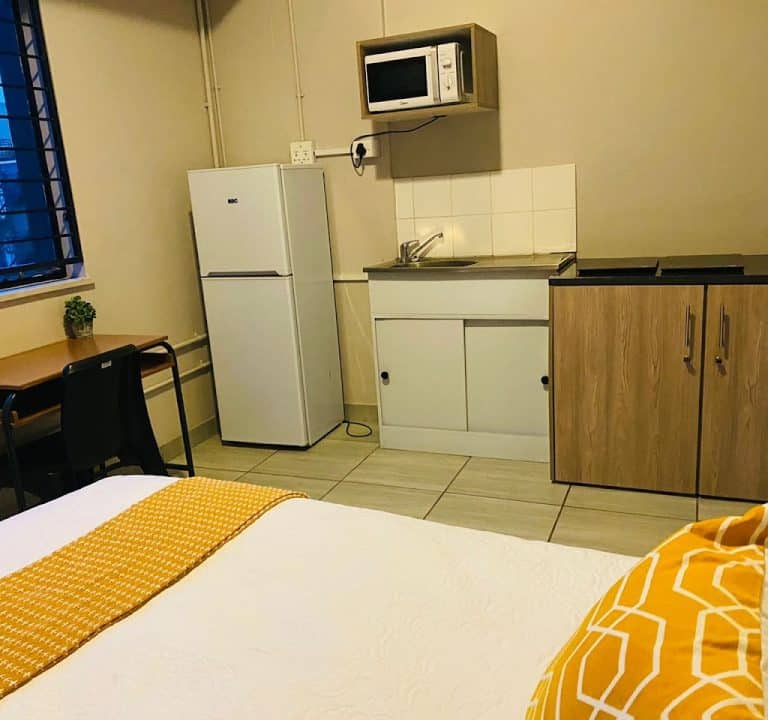
Accommodation in Johannesburg runs from stylish boutique guesthouses and mid‑range hotels to luxury properties with full service and on‑site entertainment. Some places emphasise a contemporary, design‑led aesthetic, while others prioritise traditional hospitality with generously sized rooms and attentive staff. An example of the type of property you might encounter is a luxury accommodation and entertainment centre, which aims to pair comfortable rooms with additional on‑site facilities. Regardless of style, most properties in the city offer reliable amenities and straightforward access to transport links.
When choosing where to stay, consider the following areas and what they typically offer:
- Sandton: Often described as Johannesburg’s business heart, with upscale hotels, shopping centres and easy access to the Gautrain for day trips.
- Rosebank: A lively suburb known for its markets, cafés and cosmopolitan atmosphere; good transport connections to the city centre and northern suburbs.
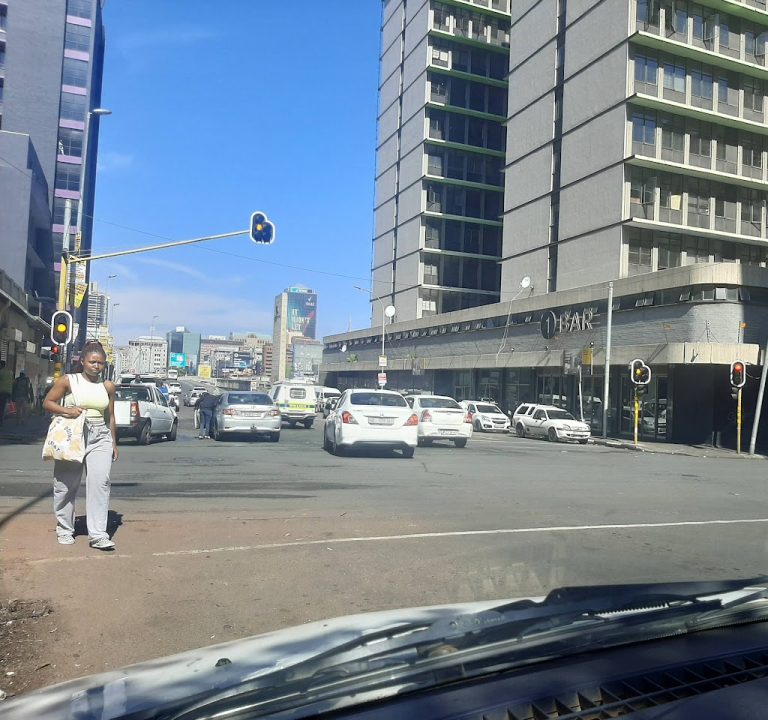
- Johannesburg inner city (CBD) and Braamfontein: A hub for culture, street art, student energy and a growing number of modern hotels and guesthouses. Useful if you want to be within walking distance of nightlife and markets.
- Soweto and surrounding townships: For a deeper dive into South Africa’s history and heritage, with guided tours from many accommodation providers and community‑led experiences.
- Melville and Greenside: Vibrant, bohemian pockets with a selection of guesthouses and boutique stays, often a short Uber ride from the city centre.
What to look for when you book, and what to expect in terms of amenities, helps you tailor your stay. Practicalities to check include:
• Safety and access: Look for properties with well‑lit entrances, secure access, and good proximity to reputable transport options. Many guests rely on rideshare services or the Gautrain for efficient, safer travel between regions.
• Comfort and size: Johannesburg properties span compact rooms to expansive suites. If you’re travelling with family or planning longer stays, you might favour a bedroom‑plus‑living space or a hotel offering apartment‑style options.
• On‑site amenities: A reliable hot‑breakfast option, a 24‑hour reception, safe parking, a gym or swimming pool, and trained staff to assist with local recommendations all contribute to a smoother stay. Free Wi‑Fi is typically offered, but it’s worth confirming speed if you plan to work remotely.
• Transport considerations: Proximity to railway stations or major routes can cut transit times. If you plan day trips, check whether the property can arrange airport transfers or guided tours, or simply point you toward reputable operators.
• Local character: Some guests seek boutique properties with a distinctive design, while others prioritise big‑brand reliability. South Africa’s hospitality sector is broad, and many properties partner with local guides to offer authentic cultural experiences nearby.
Best time to visit Johannesburg is influenced by weather and event calendars. The city enjoys a spring to autumn cycle with pleasant daytime temperatures between September and April, though evenings can be chilly in winter months (May to August). If you’re keen to avoid peak rainfall, the dry winter period is often the most comfortable for outdoor exploration and city walks. For wildlife and scenery beyond the city, plan day trips to nearby parks or reserves in daylight hours.
Attractions and experiences offer a broad spectrum without being prescriptive about specific operators. In general terms, most visitors will find cultural museums and heritage sites, markets that showcase crafts and street food, and vibrant precincts with galleries, eateries and live music. A well‑planned itinerary usually includes a half‑day or full day of cultural visits—such as museums or historical sites—paired with a stroll through a neighbourhood market or a craft district. For food lovers, Johannesburg’s dining scene ranges from contemporary fusion eateries to traditional South African taverns and casual bistros where regional flavours are celebrated without the need for formal reservations.
When it comes to dining, you’ll encounter a cosmopolitan mix of options. Expect an emphasis on fresh ingredients, bold flavours, and a range of price points. Many hotel restaurants and guesthouses also offer continental breakfasts, and several areas host weekend markets where you can sample local produce and artisanal bites in a relaxed environment. To plan efficiently, allocate evenings for dining in distinct areas—for example, a day in a bustling precinct followed by a more relaxed neighbourhood with cafés and sunset views.
Practical tips for a smooth stay:
- Book with flexibility where possible; property policies and local events can influence room availability.
- Share your itinerary with the front desk; many Johannesburg properties will help you arrange transport, tours or recommendations for safe, reputable operators.
- Pack comfortable footwear for city walking and a versatile jacket for cool evenings.
- Respect local customs and safety guidelines, particularly in crowded districts or at night, and always plan your travel between areas with security and convenience in mind.
Johannesburg is a city of contrasts, where luxurious comfort sits alongside historic streets and dynamic cultural experiences. With thoughtful planning around your stay—choosing the right neighbourhood, confirming essential amenities, and balancing city exploration with downtime—you can enjoy a rewarding visit to Gauteng’s most energetic city. If you come across a luxury option such as Tudor Inn Luxury Accommodation And Entertainment Centre, it can represent the kind of integrated stay that pairs comfortable rooms with on‑site leisure, helping you maximise your time in the city.