Johannesburg: accommodation ideas, neighbourhoods to consider, and how to plan a memorable stay
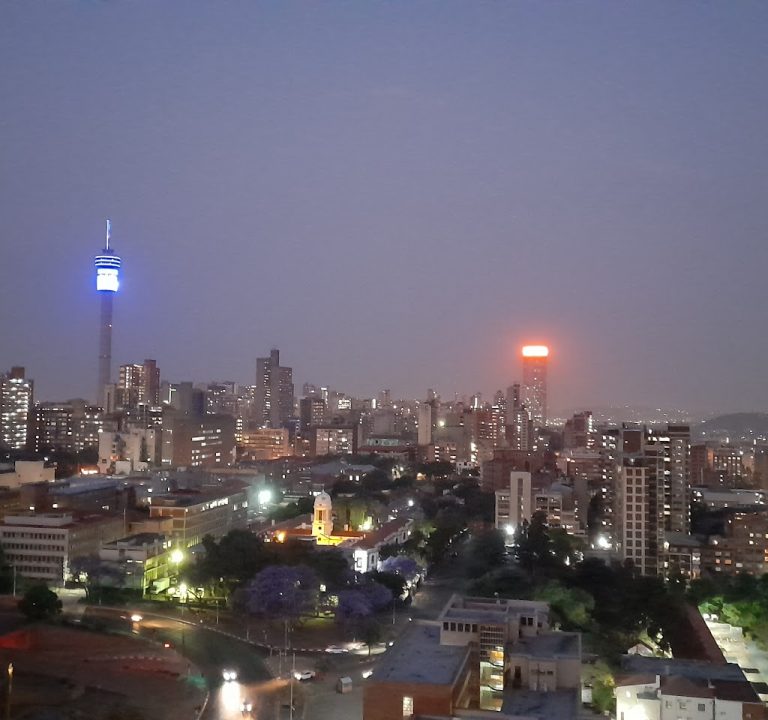
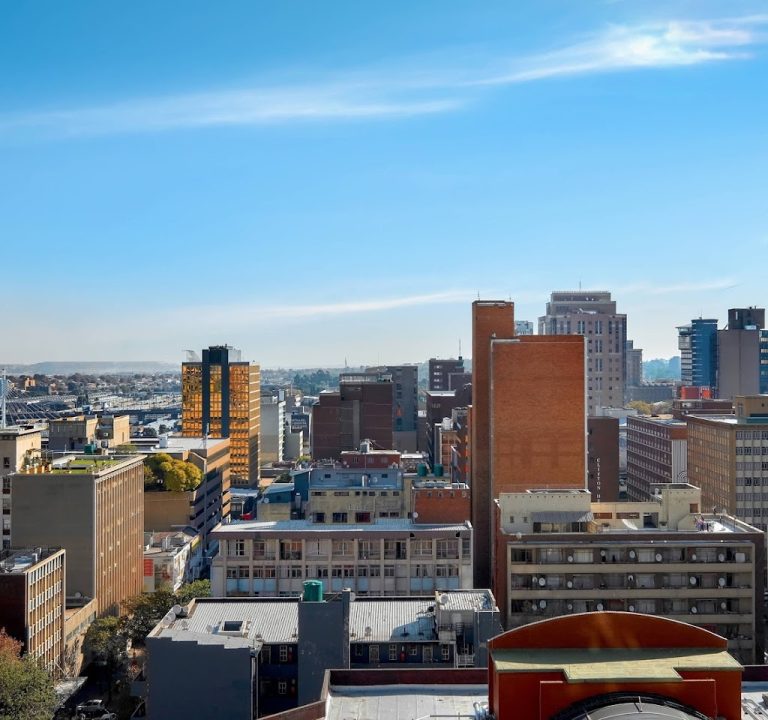
Johannesburg, or Jo’burg as many locals say, is a city of contrasts where business districts meet vibrant urban hubs and leafy suburbs. When planning a stay, consider balancing convenience with character. Central districts such as the CBD or Braamfontein offer quick access to museums, markets and nightlife, while areas like Rosebank, Sandton, or Morningside provide a more laid‑back, roomier feel and easy access to shopping and dining. Staying in diverse neighbourhoods enables you to experience the city’s mix of culture, history and creative energy without long every day commutes.
Accommodation in Johannesburg ranges from stylish boutique guesthouses and mid‑range hotels to modern high‑rise lodges and family‑run lodges on the outskirts. Look for properties that align with how you want to move around the city. If you plan long days sightseeing, a centrally located base can cut transit time and give you late‑afternoon return options. If you prefer a quieter base with green spaces, consider suburbs a short drive from the city centre that still offer easy access to major routes and Uber or ride‑hailing services.
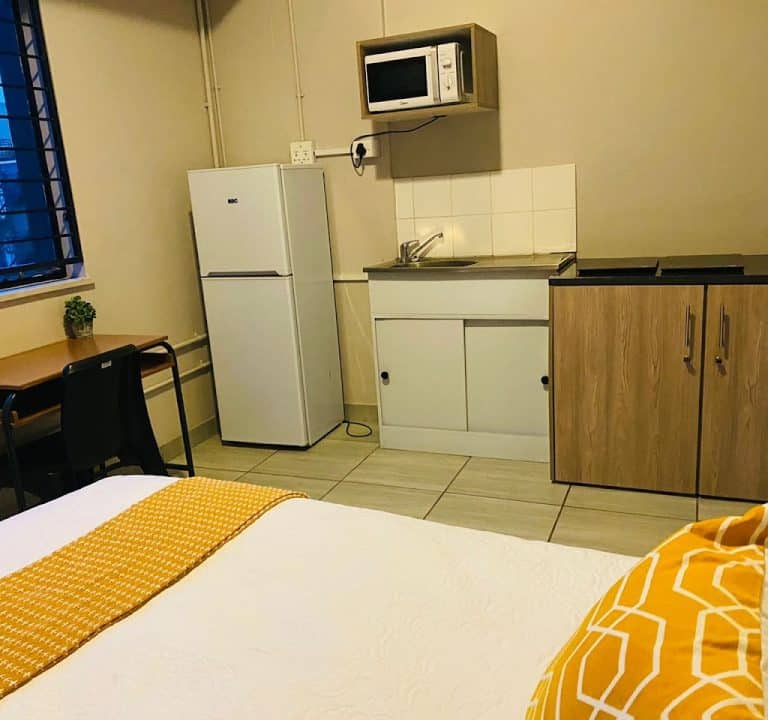
What to look for when booking, in short, includes location, safety, and practical amenities. Prioritise properties with secure entrances and reliable reception hours. A good sink‑to‑bath ratio, comfortable bedding, and sound insulation matter after busy days in the city. Check for reliable Wi‑Fi, a decent work desk if you’re travelling for business, and on‑site facilities such as a café or restaurant, asked‑for breakfast options, laundry services, and parking availability if you’re driving. In Johannesburg, several accommodations also offer shuttle services or easy access to public transport routes, which can be a real time saver.
Typical amenities you may encounter include free Wi‑Fi, room safes or lockers, tea and coffee facilities, air conditioning or heating for the climate, and a choice of room configurations—great for solo travellers, couples, or families. Many lodges and guesthouses pride themselves on personalised service, locally sourced breakfasts, and guide recommendations for day trips. If you’re visiting for business, look for properties with business lounges, meeting spaces, and late reception hours.
Transport is a practical consideration in Johannesburg. Public transport options include reputable bus routes and the Gautrain, which connects Pretoria and Johannesburg with fast, comfortable intercity links to Pretoria and OR Tambo International Airport. Within the city, rideshare apps are widely used and reliable, offering convenient door‑to‑door journeys. If you’re renting a car, confirm parking arrangements in advance, especially in busier districts, and check on-site or nearby parking fees. Traffic can be heavy during peak hours, so plan your daily routes with a buffer for delays.
The best time to visit Johannesburg depends on what you’re seeking. The city experiences mild winters and warm summers. The dry season (roughly May to September) is popular for clearer days and easier outdoor exploration, including visits to heritage sites, markets and rooftop cafes. If you enjoy lush green spaces, a spring or autumn visit provides pleasant weather for exploring city parks, gardens and outdoor markets. Keep in mind that Johannesburg experiences radiant sunshine year‑round; bring sunscreen and a hat, even during cooler months.
When planning your itinerary, mix cultural highlights with relaxed, social experiences. The city’s museums and galleries sit alongside markets, street art tours and neighbourhood precincts that pulse with music and flavour. Guided or self‑guided urban walks can illuminate the city’s history and its contemporary vitality. For a well‑rounded stay, allocate a day or two to a couple of distinct districts—an inner‑city area to explore historic buildings and museums, and a more vibrant precinct to sample cafés, eateries and local design stores.
Dining in Johannesburg runs from casual cafés with excellent coffee and bakes to contemporary eateries and traditional South African fare. In planning meals, consider trying a few neighbourhood favourites—coffee roasteries and patisseries in one area, a modern bistro in another, and a family‑run venue offering regional flavours in a different district. Most places accommodate various budgets and offer vegetarian or other dietary options; it’s worth checking menus in advance and booking where possible for popular spots, especially on weekends or during holidays.
Practical tips for a smoother stay:
- Book accommodations with clear cancellation terms and transparent policies about late arrivals or changes to plans.
- Save local maps and transport apps on your phone; offline access is helpful if data service is interrupted.
- Plan day trips with a realistic travel window to account for traffic and potential delays.
- Ask your host or hotel staff for neighbourhood safety tips, top local eateries, and must‑see short walks.
- Pack versatile clothing for warm days and cooler evenings, especially if you’re visiting during the shoulder seasons.
In summary, Johannesburg offers a spectrum of accommodation styles and neighbourhoods to suit a range of travel styles. Choose a base that minimises transit time while letting you immerse yourself in the city’s cultural richness. Combine comfortable lodgings with well‑paced itineraries to enjoy museums, markets, street art, and diverse dining, all while navigating the city with confidence and curiosity.