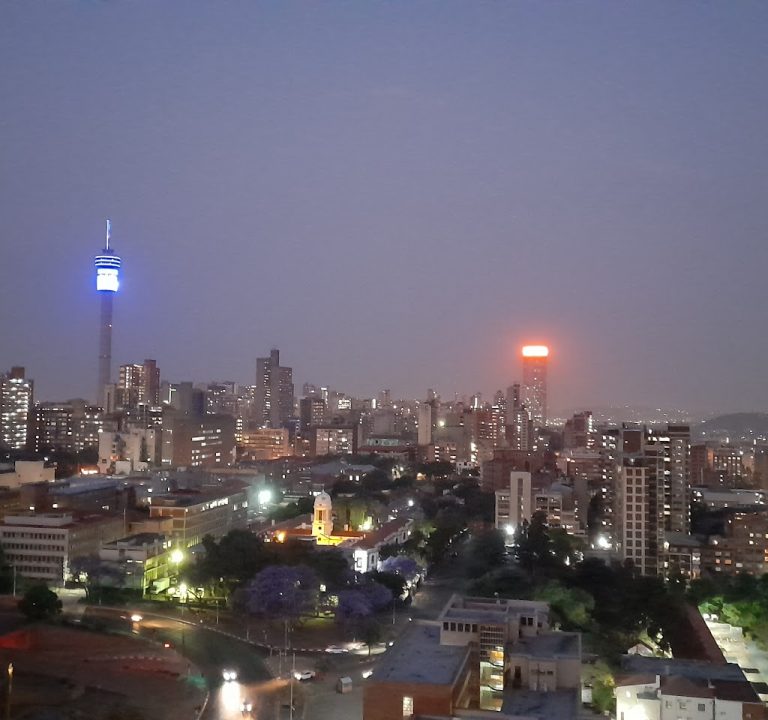
Johannesburg: accommodation, districts and a practical guide for visitors
Johannesburg, a dynamic gateway to South Africa’s rich culture and history, offers a wide range of stays from stylish boutique hotels to contemporary lodges and well‑appointed guesthouses. When planning a visit, it helps to think about the areas you want to explore and the pace you prefer. City centre hubs provide easy access to museums and galleries, while northern suburbs offer upmarket comforts and a calmer dining scene. For a touch of luxury, look for properties with secure parking, reliable staff, and thoughtful amenities that suit travellers who may be tired after flights or long drives.
Key districts to consider include the central business district, which has seen renewed energy with stylish stays and modern amenities, and the northern suburbs around Sandton and Rosebank, known for their shopping, dining and more polished hospitality experiences. Maboneng and Newtown offer lively neighbourhood atmospheres with cafés, galleries and street life that showcase Johannesburg’s creative side. For families or those seeking resort-like convenience, areas near the northern suburbs or near popular attractions can provide straightforward access and comfortable rooms. When booking, aim for properties that provide robust security, convenient access to transport routes, and a flexible cancellation policy in case plans shift.
Typical amenities to look for include reliable Wi‑Fi, air conditioning or good ventilation, on‑site parking, and a hearty breakfast option. In many Johannesburg stays you’ll find well‑equipped en‑suite bathrooms, USB charging points, and secure access. If your plans involve day trips or excursions, ask about a property’s arrangement for airport transfers or guided tours, and whether staff can assist with day-by-day planning and restaurant recommendations. A guest-friendly hotel often offers a front desk with local insight, a comfortable lounge area, and quiet rooms suitable for late arrivals or early starts.
Transport is a practical consideration. The city has a Gautrain network connecting to Pretoria and the airport, which can be a convenient way to travel longer distances while avoiding heavy traffic. Within the city, rideshare apps and organised transfers are common, and many properties provide secure parking for guests who choose to hire a car. If you prefer to navigate independently, a map and clear instructions from reception will help you plan routes to nearby attractions and neighbourhoods. Safety is a practical part of planning; staying in well‑lit, visible areas and using reputable transport options after dark will contribute to a smoother trip.
Best time to visit Johannesburg depends on the season and your interests. The city experiences warm, wet summers and cooler, dry winters. Summer sessions are pleasant for outdoor markets and park spaces, but occasional afternoon storms are possible. Winter sees drier days and cooler evenings, which can be ideal for city walking tours, museum visits and dining experiences without the heat. If you enjoy major sporting or cultural events, check local calendars in advance, as popular venues can attract larger crowds and lead to busier streets and higher demand for accommodation.
Fortnightly, monthly and seasonal markets, galleries and cultural venues add a rich texture to a stay. For a broad sense of the pulse of the city, visitors often combine a stay in a central hub with day trips to nearby attractions that cover history, wildlife, and panoramic city views. Museums and memorial sites illuminate South Africa’s paths through the 20th century, while contemporary art districts offer creative showcases and casual venues for meals and coffee. For family‑friendly days, guided tours that focus on nature, parks or interactive exhibitions can provide a balanced itinerary alongside more urban experiences.
When choosing accommodation, consider the following practical tips:
- Location relative to your planned activities and preferred pace of the day.
- Quality of beds, soundproofing, and climate control for comfort.
- On‑site dining options, reliability of breakfast service, and available kitchen facilities if you prefer to self‑cater.
- Security measures, secure parking, and reliable staff assistance for arranging local transport or tours.
- Accessibility features if required, including lift access and accessible room layouts.
- Flexible booking terms that accommodate changes in plans or travel delays.
Beyond stays, several visitor experiences and dining options complement a Johannesburg itinerary. In central areas, you might find museums and museums‑adjacent eateries that tell local stories through exhibitions and neighbourhood flavours. In northern suburbs, expect a range of high‑quality restaurants that emphasise modern South African cooking, with spaces designed for relaxed evenings and conversations after a day of exploring. Local experiences often showcase parks, markets and cultural venues where you can interact with residents and discover crafts, music, and urban life in a welcoming setting.
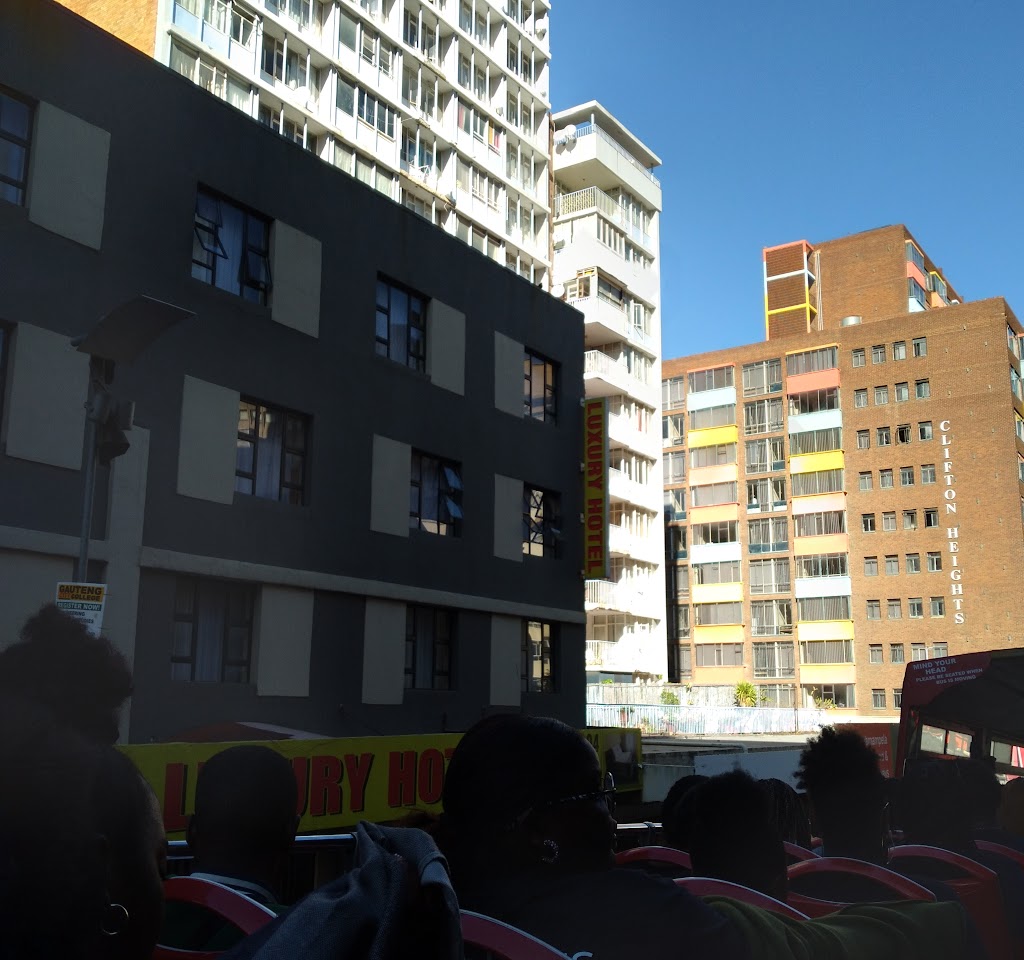
If you are seeking a stay that captures a blend of comfort and convenience, consider recognised properties that offer trusted services and thoughtful extras. For instance, the GittaF Luxury Hotel, a noted option in the city’s hospitality landscape, provides a reference point for travellers seeking stylish amenities and accessible city access. Learn more about accommodation choices and plan your stay at GittaF Luxury Hotel.
In summary, Johannesburg rewards travellers who plan with purpose: pick a district that aligns with your interests, prioritise solid security and dependable transport, and balance city attractions with relaxed downtime. With careful choices, your stay can be as energetic or as laid‑back as you desire, offering a vibrant slice of South Africa’s urban heart.